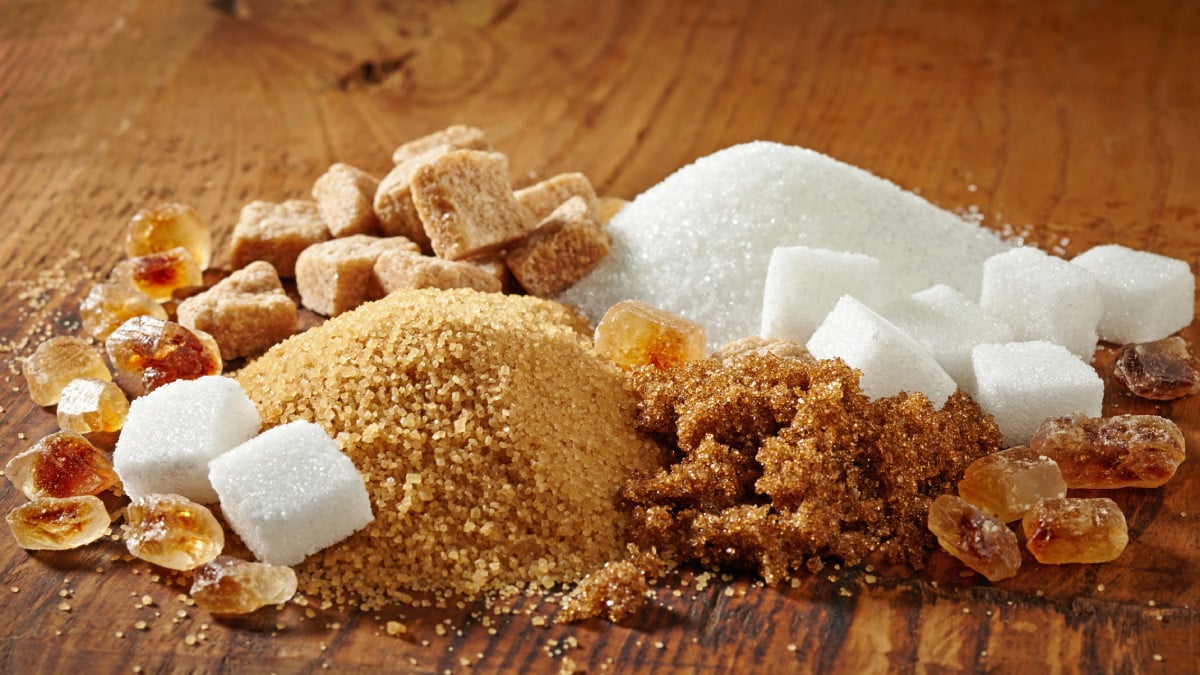
Sugar is among the most used ingredients in cooking : pastries, jams, drinks, homemade cakes or homemade syrups… But among white sugar, brown sugar, raw sugar, coconut sugar or agave, how does one navigate? And above all, how to choose an organic, high-quality product that respects the original plant and health?
Why turn to organic sugar?
Today, more and more consumers want to buy organic sugar, to enjoy a better-cultivated product, free from chemical pesticides and sourced from controlled farming.
Organic sugar, whether it comes from cane or beet, is produced according to strict specifications that guarantee a more natural, less processed raw material and an environmentally friendly production. This allows you to enjoy a higher-quality ingredient, whose flavor remains faithful to the original plant.
The major families of organic sugars
The organic market today offers a wide range of natural alternatives, each with its own peculiarities, its flavor, and its culinary use.
Organic cane sugar: the most popular
Grown in South America, Asia or in certain regions of Africa, sugar cane provides an organic sugar appreciated for its mild flavor and golden color. It is available in brown, blond, whole or in chunks.
Whole cane sugar (rapadura type) is the least refined: it retains more minerals and features a slightly caramelized note, perfect for pastries or sweet-and-savoury recipes.
Coconut sugar: a natural alternative
Derived from the coconut tree, this fine-textured brown sugar is made from the sap of the coconut flower, heated and crystallized. It naturally contains minerals and vitamins, and presents a lower glycemic index than regular white sugar. Its gentle, slightly caramelized flavor makes it an ideal choice for sweetening coffee, cakes, homemade jams or homemade syrups.
Organic beet sugar
More common in Europe, it comes from the sugar beet grown without pesticides. Its neutral taste and white or light blond color suit everyday uses: pastries, drinks, confections or homemade ice cream preparation. It is also one of the most accessible organic sugars.
Organic syrups: agave, glucose or others
Syrups hold an important place among organic alternatives: agave syrup, corn syrup, sugar cane syrup, and even glucose syrup derived from organic raw materials. Easier to measure, they offer a high sweetening power and blend well in preparations requiring a fluid texture: beverages, cakes, jam, caramel or sweet sauces.
Refined, brown, white, whole: what do these terms mean?
The difference between sugar types mainly rests on the degree of processing:
- White sugar : refined, it contains no molasses. Its taste is neutral, its texture is uniform.
- Brown or blond sugar : it contains a small amount of natural molasses, hence its color.
- Whole sugar : unrefined, it retains minerals, dark color and a more intense flavor.
- Coconut sugar : heated directly from the sap, it remains naturally rich in nutrients.
For healthier use and better quality, whole or natural sugars often constitute an interesting option, especially when consumed in moderation.
How to choose your organic sugar wisely?
Before adding a packet to your cart, a few criteria help you select a reliable and truly organic product:
- Origin of the plant : cane grown in Latin America, coconut from Indonesia, French organic beet… The origin influences flavor and quality.
- Production method : favor mentions “organic farming” or fair-trade labels.
- Mineral content : whole sugars contain more nutrients.
- Texture and usage : fine crystals for pastries, chunks for coffee, syrup for drinks.
- Control of refining : the more a sugar is refined, the fewer nutrients it retains.
- Color and taste : a lightly caramelized blond offers a gentle flavor ideal for homemade preparations.
In summary: what is the best option?
There isn’t a single ideal sugar, but a choice that depends on the use : whole sugar for its minerals, coconut sugar for its lower glycemic index, organic white sugar for classic recipes, agave syrup for sweetening without crystals…
The essential is to opt for products cultivated in a responsible manner and to vary sources to enjoy a more natural and healthier consumption.
