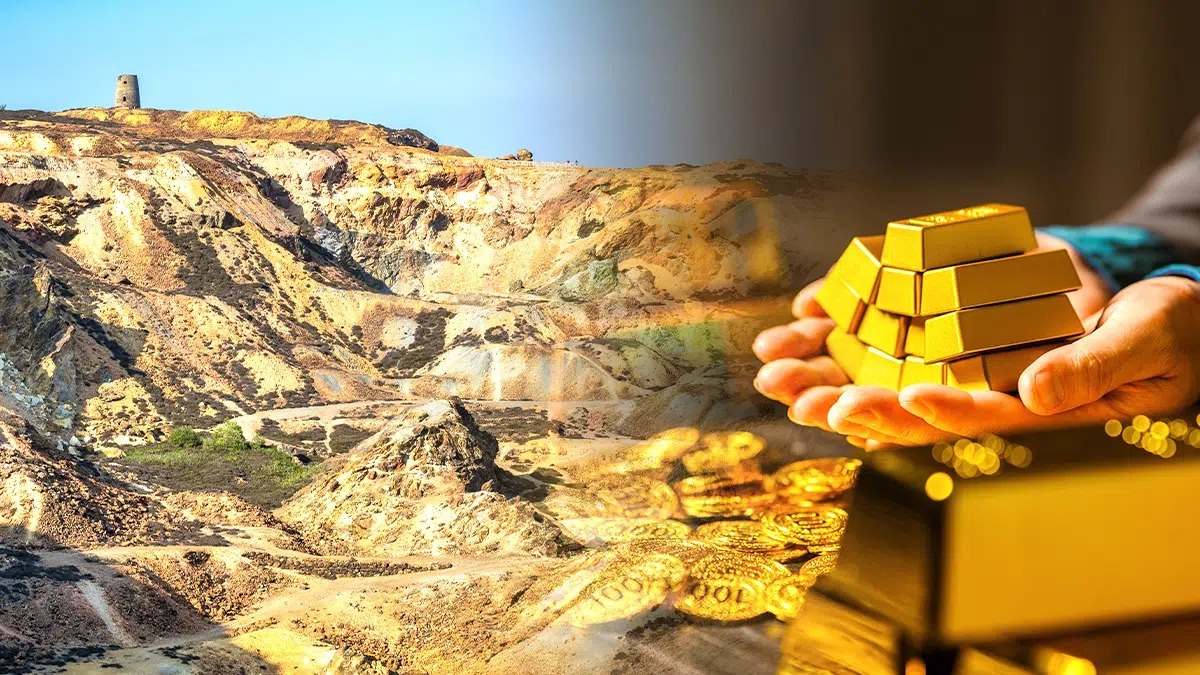
What should have been one of the most significant mining discoveries in New Zealand’s modern history instead became a case study in frustration, controversy, and stalled ambition. After uncovering an estimated $4 billion gold deposit in Otago, a prospector’s breakthrough was abruptly halted—not by geology, but by government intervention.
A discovery that stunned experts
The discovery occurred in Otago, a region long associated with gold since the 19th-century gold rush. But this was no small find. Modern surveys, sampling, and geological analysis revealed a deposit of exceptional scale, buried deep beneath land believed to be largely exhausted.
Independent assessments suggested the gold concentration was high enough to justify large-scale extraction, with projections valuing the deposit at approximately $4 billion at current market prices.
For geologists, the discovery challenged long-held assumptions about Otago’s remaining mineral potential.
Years of groundwork behind the breakthrough
The find was not accidental. It followed years of painstaking work—mapping, drilling, soil analysis, and private investment. The prospector behind the discovery reportedly reinvested everything into exploration, operating with a small team and limited resources.
Advanced techniques allowed the team to detect gold far deeper than traditional methods had reached. When the results came back, even seasoned experts were surprised by the size and consistency of the deposit.
The promise of economic transformation
Had the project moved forward, the implications would have been enormous. Analysts estimated the mine could have:
-
created hundreds of direct and indirect jobs
-
injected millions annually into the local economy
-
generated substantial tax and royalty revenue
-
positioned Otago as a modern gold-producing region again
Local businesses initially welcomed the prospect, hoping for renewed economic activity in an area facing population decline.
The sudden government intervention
Despite the scientific validation, the project hit an unexpected wall. Government authorities moved to block further development, citing environmental protections, land-use restrictions, and regulatory concerns.
Key areas of the deposit fell under strict conservation rules, making mining permits virtually impossible to obtain. Exploration licenses were limited, and extraction approval was denied.
For the prospector, the decision was devastating.
Environmental concerns versus economic opportunity
Officials argued that the land involved held significant ecological and cultural value. They emphasized the long-term risks of mining, including:
-
potential water contamination
-
disruption of fragile ecosystems
-
irreversible landscape damage
-
conflict with conservation commitments
From the government’s perspective, protecting the land outweighed the economic benefits.
Critics, however, questioned whether modern, low-impact mining techniques had been fairly considered.
A legal and political standoff
The shutdown sparked legal challenges and public debate. Supporters of the project accused authorities of ignoring science and economic reality. Environmental groups countered that once land is opened to mining, protections are permanently weakened.
Caught in the middle was the prospector himself—holding proof of one of the largest gold finds in recent memory, yet unable to touch it.
A discovery locked underground
Today, the gold remains where it was found—underground, untouched, and inaccessible. While its estimated value fluctuates with global markets, the deposit continues to symbolize unrealized potential.
Experts note that such situations are becoming increasingly common as governments balance resource demand against environmental responsibility.
What this case reveals
This story highlights a growing global dilemma:
-
valuable resources exist beneath protected land
-
technological capability outpaces regulatory frameworks
-
economic opportunity clashes with environmental ethics
There is no simple resolution.
A fortune that may never be mined
For the man who made the discovery, the outcome is deeply personal. Years of effort led to a find that could have changed his life—and the region’s future—yet remains locked away by policy.
The gold is still there.
The science is not disputed.
But the decision has been made.
In Otago, a $4 billion fortune lies buried, not by nature—but by law.
