
Potatoes are one of the most versatile ingredients in the kitchen: they can be used to prepare side dishes, soups, purées, and even snacks. However, when stored for several days they may develop different green spots, dark areas or small sprouts, changes that often raise an important question before cooking them: can they still be eaten, or is it best to discard them?
The answer depends on the type of alteration the tuber has and how widespread it is. While some imperfections can be removed without much trouble, others are signs that the potato could contain natural substances that are harmful to health if consumed in large quantities.
Therefore, before preparing your foods, it is advisable to check its appearance, texture, and smell. Next we will tell you what sprouts and spots on potatoes mean, when you can make use of them and in which cases it is safer to discard them; continue reading.
¿Se pueden comer las papas con manchas verdes o brotes?
Depende del grado de afectación del tubérculo: si presenta una mancha verde pequeña o brotes aislados, puedes retirar generosamente esas partes, incluyendo una porción de la zona que las rodea, y pelar profundamente la papa, siempre que el resto se mantenga firme y en buen estado. En cambio, si está muy verde, tiene numerosos brotes o presenta un sabor amargo, no debes consumirla, pues podría contener una concentración elevada de solanina, una sustancia que en exceso puede provocar náuseas, vómitos, diarrea y dolor abdominal; en casos graves, también puede ocasionar síntomas neurológicos.
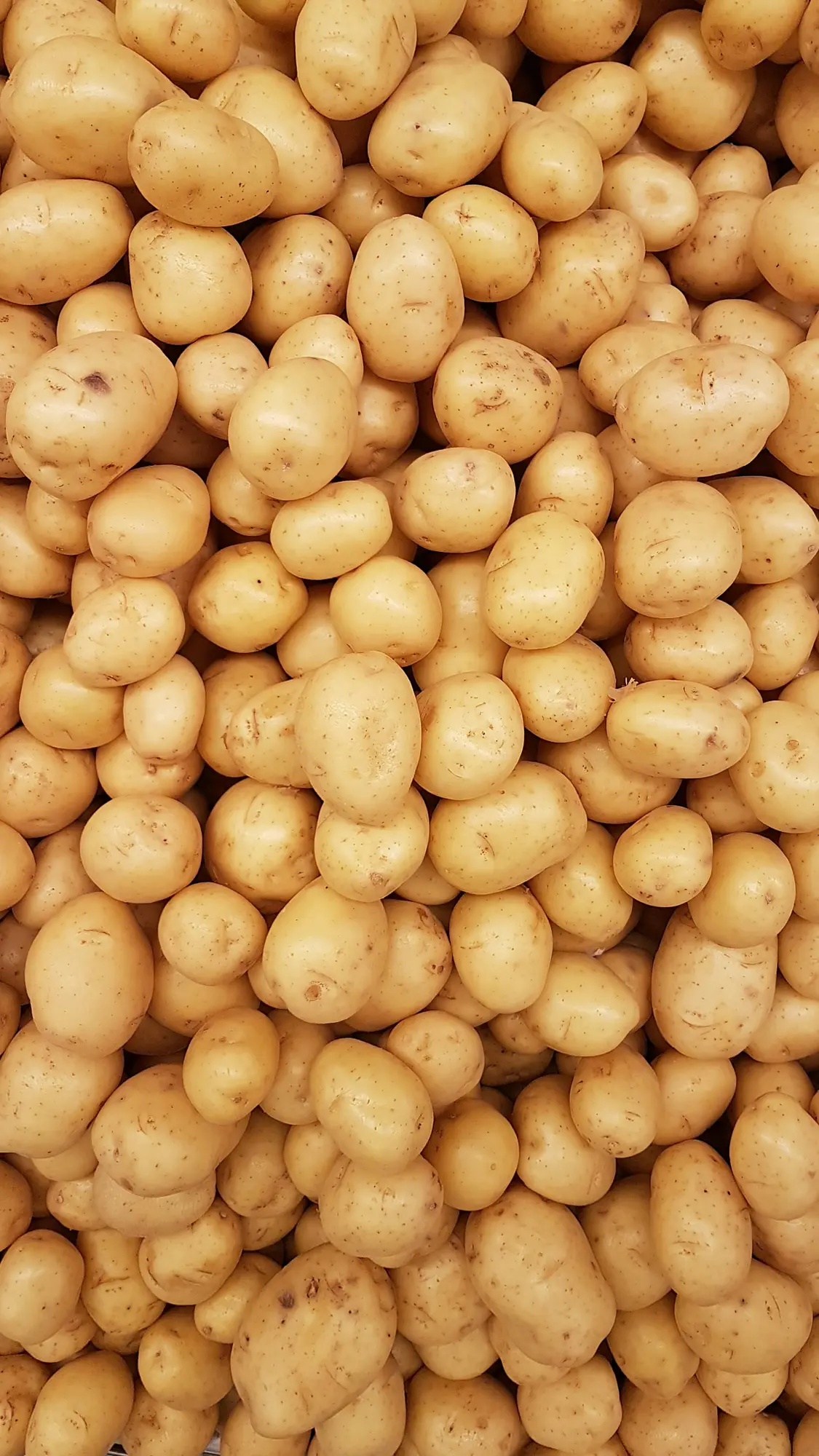
How to store potatoes to prevent sprouts from forming?
To delay the appearance of sprouts and green spots, it is important to choose a suitable place to store them. Exposure to light and temperature conditions can accelerate these changes, so it is worth following some recommendations:
-
Store them in a dark place: use a pantry or cupboard where they do not receive direct light.
-
Make sure the space is cool and dry: avoid placing them near heat sources or in humid areas.
-
Allow for ventilation: use paper bags, boxes, or containers that do not accumulate moisture.
-
Check them periodically: separate potatoes that have rotten or deteriorated areas to prevent them from affecting the others.
-
Buy quantities you can consume: this reduces the time they spend stored.
In this way, you can keep them in better condition and avoid wasting food. Remember that a firm potato, without extensive green areas, abundant sprouts, or signs of spoilage is the best option for preparing your recipes.
