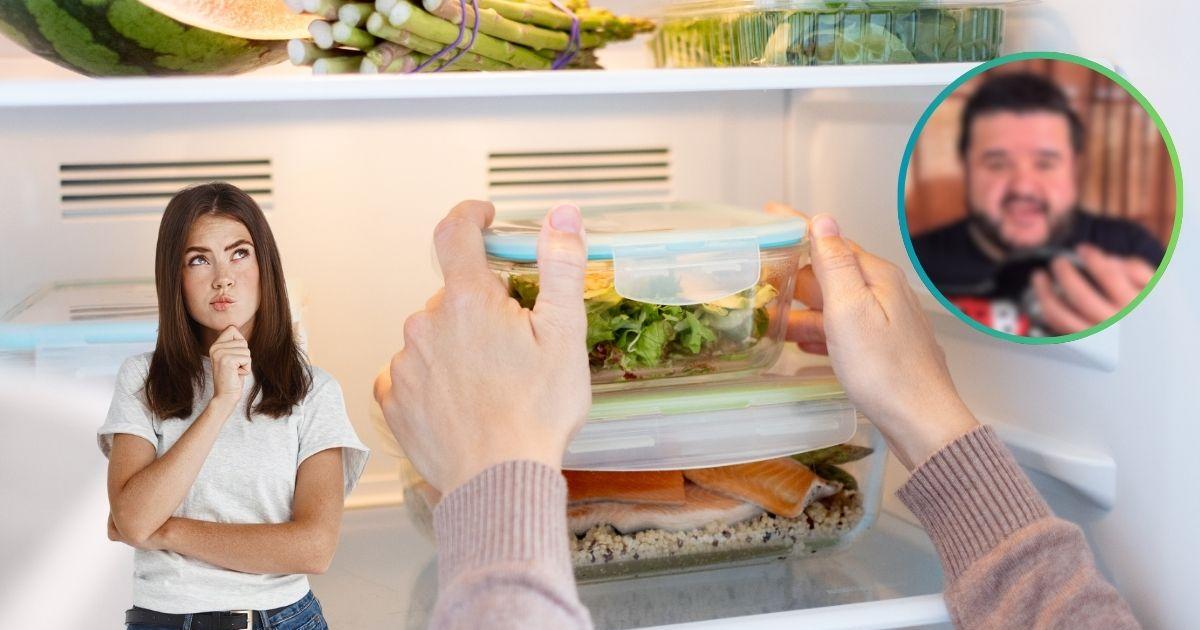
Organizing the meals for the entire week can be a good alternative to save time, avoid cooking every day, and have ready-made options when it is time to eat. Therefore, many people tend to prepare several dishes on Sundays, divide them into containers, and store them in the refrigerator or freezer for later consumption.
However, this practice has also raised some questions about what happens to foods when they stay frozen for several days. One of the questions that has drawn attention is whether food loses its aura or energy when subjected to low temperatures and then thawed, a notion that has sparked opinions and questions on social media.
Although some beliefs relate food to energetic or magnetic concepts, science provides explanations about the energy we obtain from foods and the changes they undergo during storage. But does freezing food really make it stop nourishing us?
Does freezing food make it lose its energy?
The concern arose after a viral video claimed that frozen foods, once thawed, lose their electromagnetic fields and, therefore, no longer have energy, even though they keep proteins and minerals. In response to this claim, food engineer and content creator Rafa Carbajal explained that foods do not need to have an aura or a magical or magnetic space to nourish us, since the energy we obtain from them is chemical energy, which is measured in calories and mainly comes from carbohydrates, fats, and proteins. Therefore, freezing food does not cause that energy to disappear.
What happens to nutrients when you freeze food?
When you put a food into the freezer, its temperature drops and part of the water it contains turns into ice. This process helps preserve it because it slows the growth of microorganisms that can spoil it and makes many of the chemical reactions that occur in it slower.
Additionally, freezing preserves the nutritional value of foods fairly well: proteins do not disappear and minerals are not destroyed by being at low temperatures. However, over time there can be changes in some vitamins, flavor, and texture, depending on the type of food and the storage conditions.
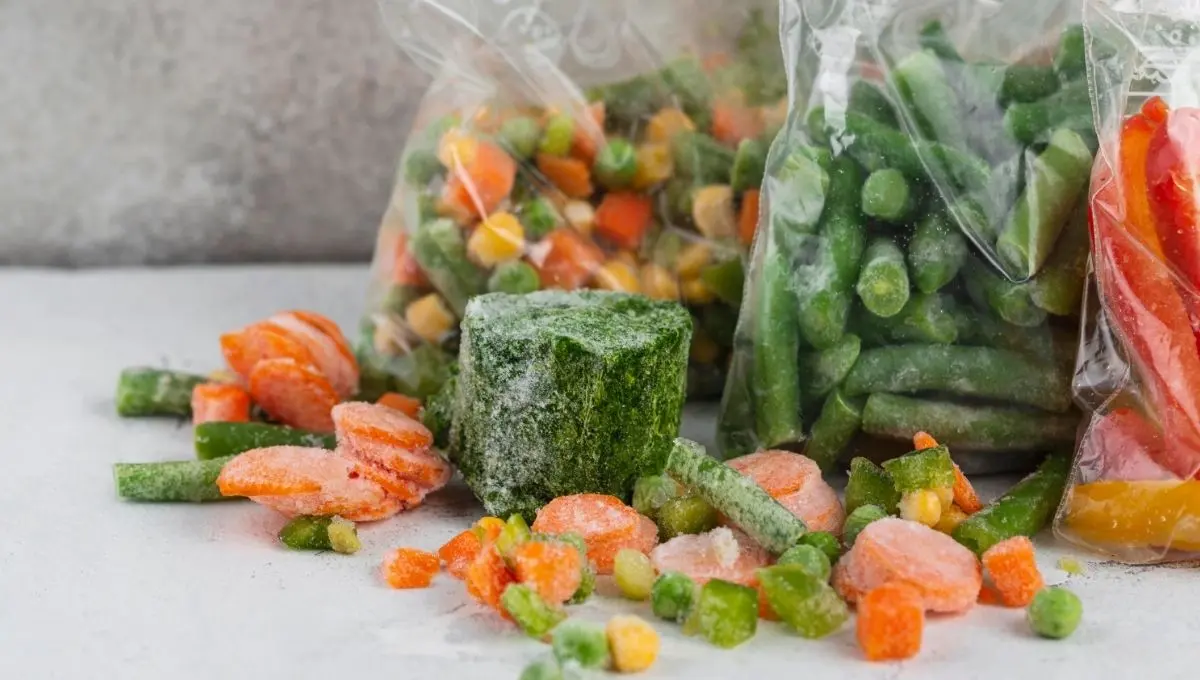
Can frozen food go bad?
Although freezing foods helps to extend their shelf life, this does not mean you can forget about them for years and consume them without worrying about their condition. Freezing does not sterilize food: some microorganisms can survive low temperatures and begin to multiply again when the food thawes and encounters favorable conditions. Therefore, it is important to store preparations properly, avoid leaving them at room temperature for too long, and thaw them safely before consumption.
Is it a good idea to prepare Sunday’s food and freeze it for the whole week?
Yes, preparing foods in advance and freezing them is a practical option for organizing the week’s meals, as this method allows preserving a large portion of their nutrients without losing the chemical energy the body uses. One option is to divide the preparations into individual portions and store them in airtight containers suitable for the freezer, preferably glass designed to withstand low temperatures.
The important thing is not to leave the food at room temperature for several hours, thaw it in the refrigerator or by safe methods, and reheat it thoroughly before eating. In this way, you can organize your meals in advance without worrying about a supposed loss of energy or aura in the foods.
