
The current pace of life and the high daily demands often manifest themselves immediately in the body, turning tension-related discomfort into a constant nuisance for millions of people, and knowing how to counteract them naturally has become essential to recover well-being without relying exclusively on pharmaceuticals.
Essential oils offer a natural, science-backed alternative to relieve tension and the bothersome headaches; now it is time to learn which options are most effective, how to apply them correctly at home, and what precautions you should take before using them to care for your health safely.
Understanding which aromatic substances have scientific support allows you to act quickly at the first symptoms, significantly improving your daily productivity, your rest moments, and your overall quality of life with simple tools at your fingertips.
The natural power of aromatherapy against pain
Headaches and migraines deeply affect the daily routine of those who suffer from them. In light of this reality, aromatherapy positions itself as an accessible alternative since, according to information published by specialized portals such as Healthline, concentrated plant extracts offer a complementary path to reduce accumulated tension without the side effects of traditional drugs.
What exactly are these extracts and how do they act in our body? They are highly concentrated liquids that originate from leaves, flowers and roots. Their direct sensory stimulation on the nervous system helps to reduce daily stress, which is usually the main trigger of tension headaches and recurrent migraine attacks.
1. Peppermint: The refreshing ally to relax the muscles
Peppermint oil stands out as one of the most popular and studied remedies. Thanks to its high menthol content it helps to relax the contracted musculature and to decrease the sensation of pain almost immediately when applied topically on the temples and forehead.
2. Lavender: Quick relief backed by science
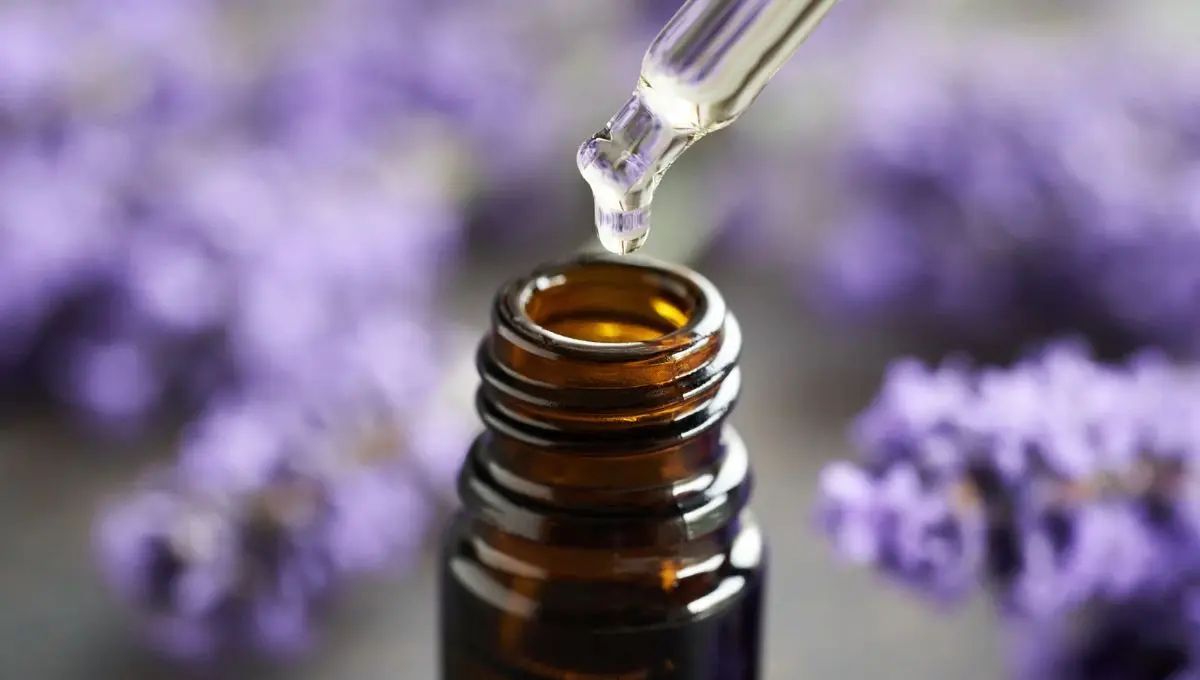
The use of lavender oil is widely recognized to induce calm. Various studies indicate that inhaling its aroma for just a few minutes can significantly reduce the intensity of discomfort, becoming an excellent resource both in diffusers and in warm baths.
3. Rosemary: Traditional anti-inflammatory properties
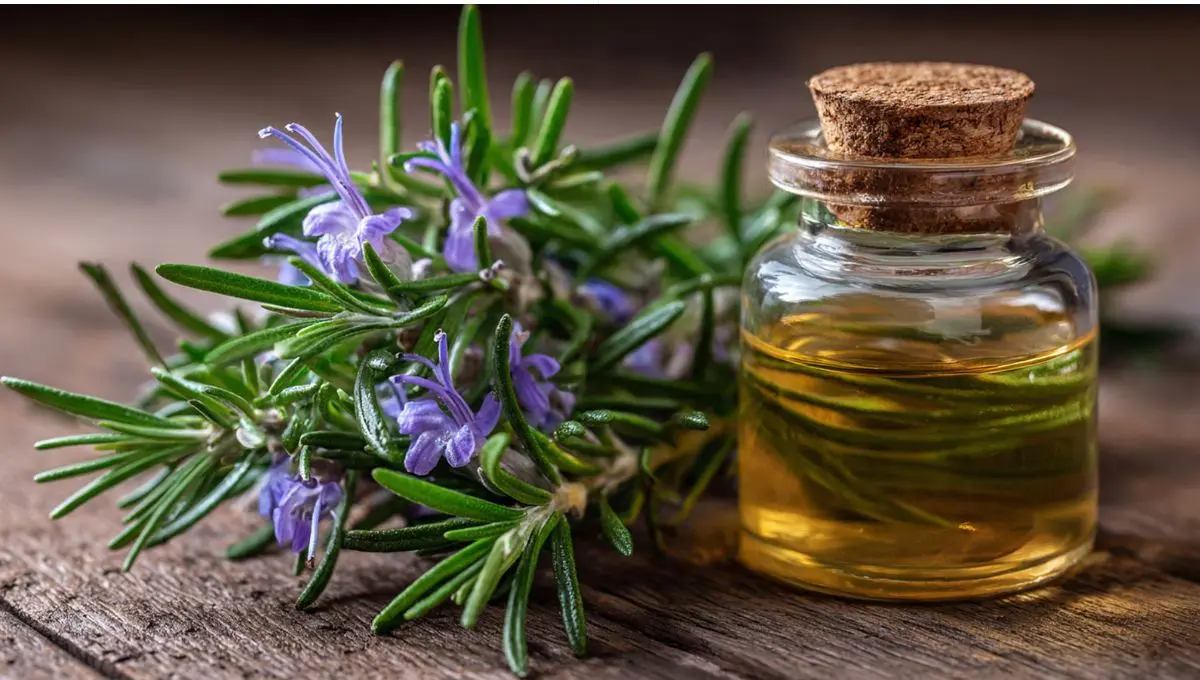
Traditionally valued in folk medicine, rosemary oil has potent analgesic and anti-inflammatory properties. Its application through gentle massages on the affected areas stimulates circulation and helps dissipate accumulated tension throughout the day.
It is important that you never apply pure extracts directly on the dermis; always mix them with a carrier oil to avoid irritations. Likewise, avoid the use of certain essences during pregnancy or in minors without prior medical authorization.
Remember that although natural remedies represent an excellent complementary support, it is vital to remember that regulatory bodies such as the FDA do not supervise the purity of these commercial products. Therefore, if you experience recurrent episodes, intense or disabling, medical advice will always be a priority to rule out major complications and receive an adequate comprehensive treatment.
