
Offal consumption, traditionally known as giblets or organ meats, has ceased to be a mere culinary habit and has become a central topic of debate among nutritionists. Although pieces such as liver or heart provide nutrients essential and hard to obtain in such high doses in other foods, not all organisms respond in the same way when we eat them.
And indeed, animal offal concentrates a density of iron, protein, and vitamins far higher than traditional cuts of meat. However, its high content of cholesterol, purines and vitamin A requires consumption to be moderated.
These are the scientific recommendations to integrate them safely without risking your metabolic health, since knowing exactly what each cut contributes will allow you to make informed decisions about your daily diet to protect your health and that of your family.
The forgotten superfood of gastronomy; a new perspective
Unlike the traditional muscular cuts we usually buy in the supermarket, offal comprises the internal organs of animals, ranging from the tongue, the heart, and the kidneys, to the liver, the entrails, or the brain. Although for years they were relegated in Western cooking, nutritional science has returned to focus on them because of their extraordinary density of nutrients at an affordable cost.
The main metabolic advantage of offal lies in its bioavailability. Dietitian Julia Zumpano, of the Cleveland Clinic, notes that animal organs offer a significantly higher concentration of vitamins and minerals than lean meat, which makes traditional dishes like liver with onions or bone broths authentic concentrates of cellular nutrition.
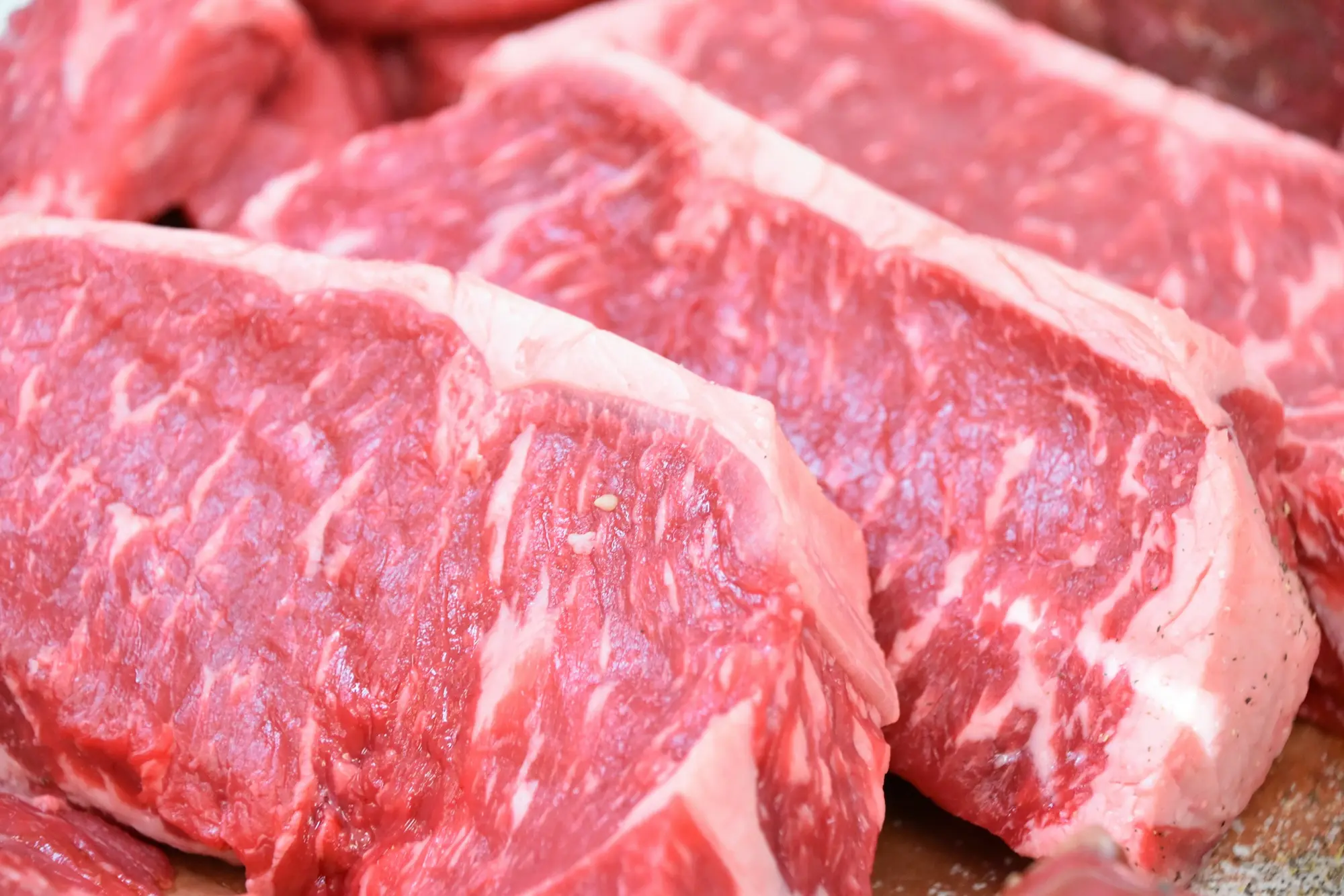
For example, for those seeking to combat fatigue or nutritional deficiencies, the type of iron present in these foods makes a fundamental difference, since meat and organs contain heme iron, the form that the human body absorbs most easily. According to data from the United States Department of Agriculture, a 113-gram portion of chicken liver provides 10.2 milligrams of iron, versus the modest 2.66 milligrams offered by the same amount of beef steak.
To this mineral wealth, there is a massive contribution of vitamins B6 and B12, essential for DNA regeneration, the production of red blood cells, and the maintenance of the nervous system. Moreover, beef hearts and kidneys are among the few dietary sources rich in alpha-lipoic acid, a powerful antioxidant that protects mitochondria and helps transform nutrients into useful metabolic energy. Other benefits:
-
They contain a wide range of essential minerals such as magnesium, selenium, and zinc, key for proper thyroid function and wound healing.
-
They accumulate high doses of fat-soluble vitamins (A, D, E, and K2) that the body stores in its tissues to support vision, bone density, and immune response.
The risks you should take into account with offal
Consumption of offal should be planned with moderation and medical guidance, as the same density that strengthens a healthy organism can be detrimental for patients with certain preexisting conditions. The high cholesterol and saturated fat content of offal requires caution in people with a history of cardiovascular disease.

Additionally, the high concentration of purines — organic compounds that break down to uric acid — makes it a food to avoid for those who suffer from gout or elevated uric acid. Moreover, the excess of preformed vitamin A (retinol) concentrated in the liver represents a real risk of fetal toxicity, so pregnant women should omit its consumption.
Similarly, people with hemochromatosis (iron overload) or those at risk of nonalcoholic fatty liver disease and type 2 diabetes should strictly limit these cuts in their daily diet.
