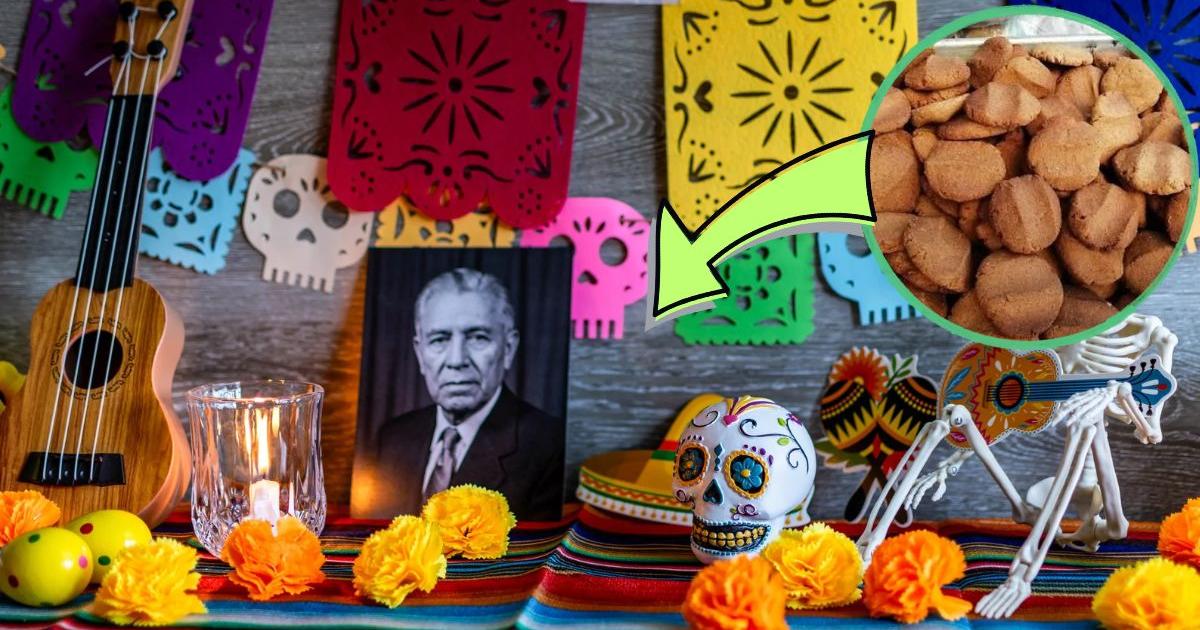
The aroma of toasted corn and cinnamon begins to flood local markets on the eve of the Day of the Dead, and without a doubt this season invites us to reconnect with our gastronomic roots through dishes that go beyond the palate, becoming true bridges between the earthly world and the spiritual realms.
With the arrival of November, the tradition of the offering fills Mexican homes with unique aromas. Among the marigold and copal stand out the gorditas de ofrenda, a corn and piloncillo dish that pays tribute to the deceased.
Learn its origin, ritual significance, and how to prepare this ancestral delicacy, since understanding the value of gorditas de ofrenda transforms the way we set up our family altar today and incorporating this traditional culinary jewel; not only does it honor the memory of the departed, but it preserves an Indigenous gastronomic knowledge that runs the risk of being forgotten in modern festivities.
A Bite of History in Mexican Cuisine
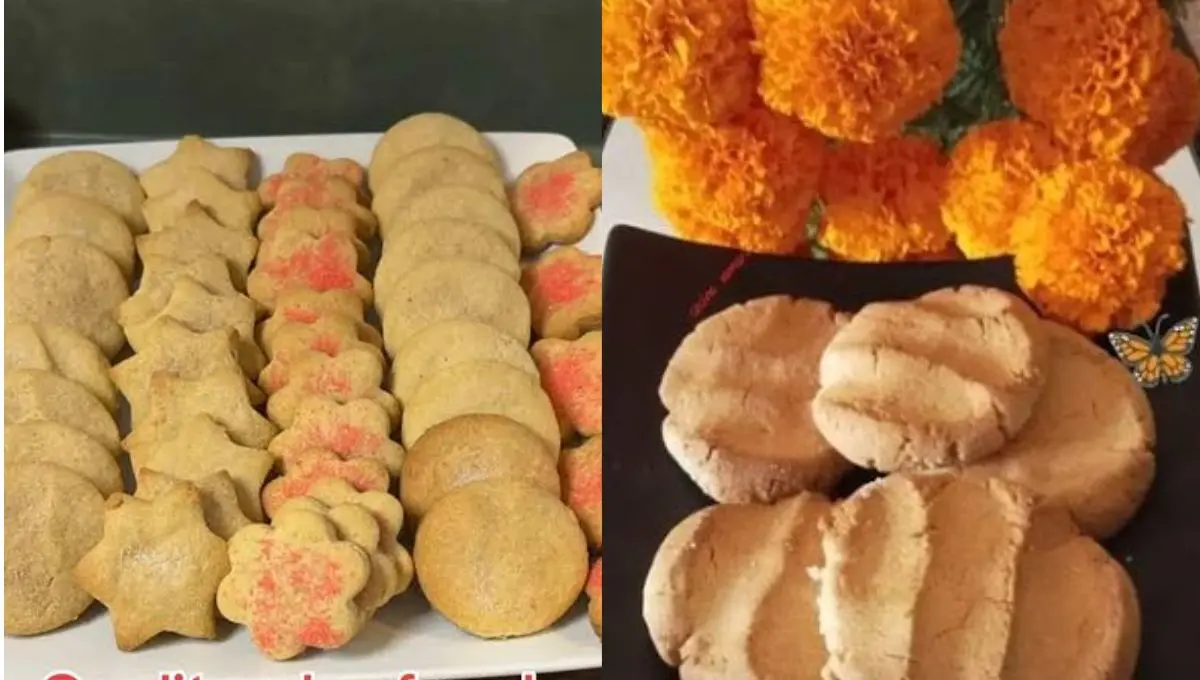
The gorditas de ofrenda—also known in various regions popularly as gorditas de tianguis, gorditas de piloncillo or simply gorditas de muertito—represent one of the most endearing and representative culinary elements of the Day of the Dead festival. Their artisanal preparation generally requires mainly nixtamalized corn dough, dissolved piloncillo, ground cinnamon, and lard.
With these ingredients, they are traditionally molded in small, proportionate portions, conceived from their origin to be placed as central aesthetic and spiritual elements on the altars dedicated to the deceased.
Historically, their origin dates back directly to the pre-Hispanic era when indigenous peoples celebrated agricultural and funerary rituals, offering to their deities and ancestors various preparations made from corn.
Subsequently, with the arrival of the Spanish conquerors and the evangelization process, the ancient rituals were definitively fused, including the incorporation of pork lard and cane sugar that transformed the ancient ritual tortillas into the sweet gorditas we know today.
The Deep Spiritual Significance on the Altar
Within the rich symbolism surrounding the Day of the Dead offering, the prepared foods fulfill the primordial function of nourishing the souls of the illustrious visitors during their long journey back from Mictlán.
In this context, gorditas de ofrenda symbolize the abundance of the year’s harvests and the generosity of the worked earth. Since they are made from corn, they represent the ongoing cycle of life, death, and rebirth within the traditional Mesoamerican worldview.
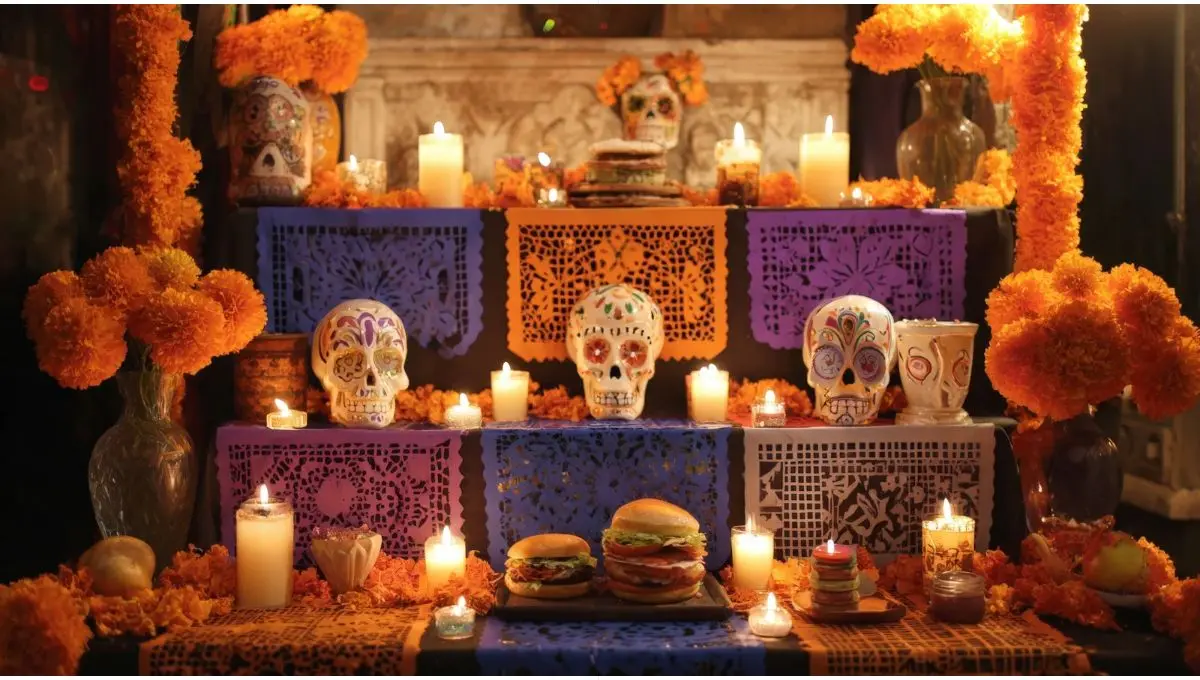
During these days, Mexican families usually purchase them or prepare them directly at home to place them alongside the candles, the traditional pan de muerto, the petals of the cempasúchil flower, and the commemorative photographs of loved ones who have already departed.
