
As every year, the changing season brings with cooler mornings and a noticeable rise in the circulation of respiratory viruses, so preparing the body before temperatures fall even further in the coming months makes the difference between enjoying the winter holidays or spending them in bed.
With the onset of cold temperatures that began in September and will last until May 2027, the immune system faces greater daily challenges, however, don’t worry—learn which vitamins are essential to keep your defenses in optimal state during the cold and in which everyday foods you can find them naturally.
Indeed, incorporating the right nutrients through daily nutrition is the most accessible and effective preventive strategy to care for your family’s health, and knowing exactly what to choose in the local market helps strengthen the immune response without complications or unnecessary supplementation.
The impact of nutrition on the cold season
When thermometers drop, the airways become more vulnerable to external assaults, with dry air and low temperatures being what affects the natural defense mechanisms of the mucous membranes the most. In this scenario, proper nutrition becomes the first line of protection, and a steady intake of micronutrients will help keep you healthy.
There are specific micronutrients with a leading role in modulating the immune system. Knowing which they are allows for more informed shopping and planning functional menus; these are the vitamins most fundamental this season:
-
Vitamin C: Essential for the stimulation of leukocytes and tissue repair. It is abundantly found in citrus fruits, red peppers, guava, broccoli and strawberries.
-
Vitamin D: Regulates the adaptive immune response and fights pathogens. Although it is synthesized by sun exposure, it is obtained in the diet through fatty fish (such as salmon or sardines), egg yolk and fortified dairy products.
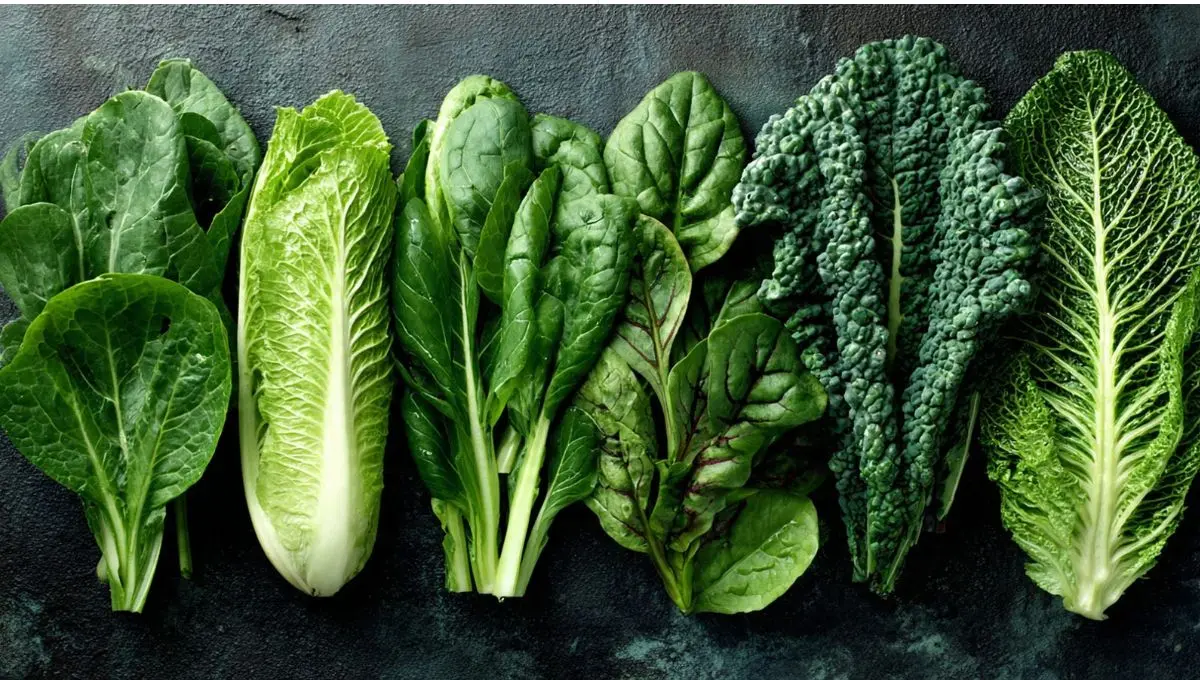
Remember that to get the maximum benefit you should consume fruits rich in vitamin C immediately after peeling or cutting them to prevent oxidation of the nutrient. Another example is to prepare vegetables such as broccoli or spinach by steaming instead of boiling to minimize the loss of water-soluble vitamins.
While a balanced diet covers the basic requirements of most people, there are life stages or specific conditions where needs change, whether you have young children or older adults at home.
