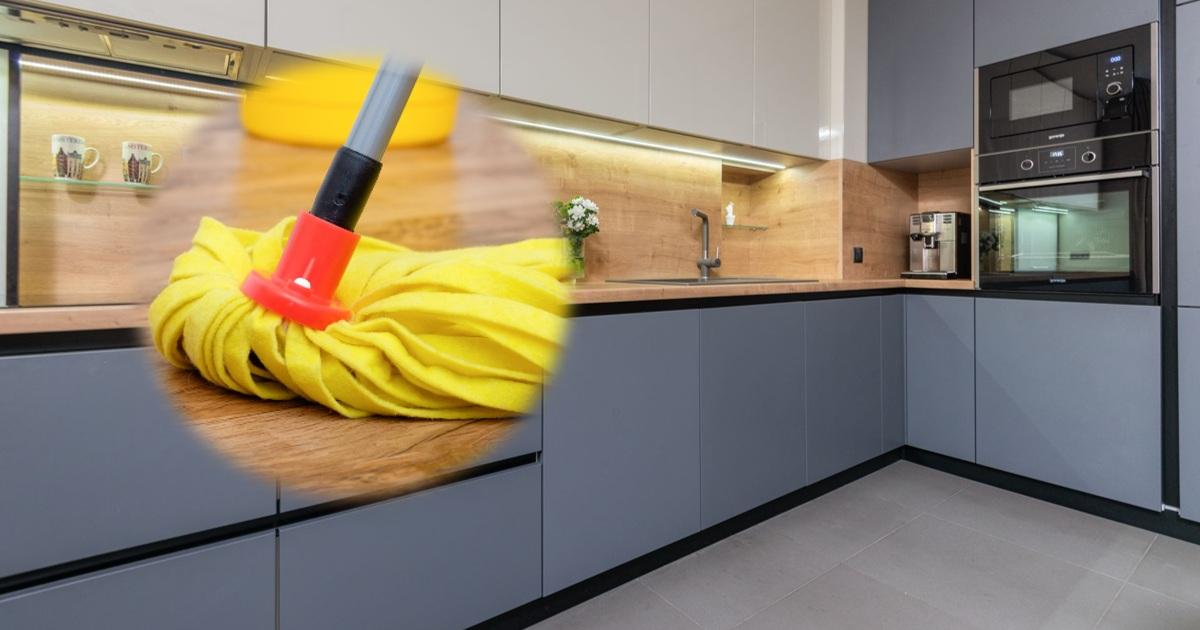
Because of the type of items and tasks we carry out in the kitchen, the floor of this place is one of the home spaces that requires frequent cleaning, especially since when preparing food it is very common to have oil splashes, sauce and other residues on the floor. Over time, these substances accumulate and form a sticky layer that is difficult to remove if we do not clean it frequently, even when applying a conventional mopping. To facilitate this kind of cleaning, there exists a homemade three-ingredient mixture that will help you remove grease from the floor without resorting to expensive products, and here we tell you what you need.
Keeping your grease-free floor is important not only for hygiene reasons; it will also help you prevent accidents in the kitchen, which is essential in an environment like this, where risk elements such as fire, sharp objects and liquids are handled. Residues of oil can make the surface slippery and increase the risk of falls, even if the buildup is minimal. In addition, they also cause dust to get trapped on the floor along with other particles, which contributes to the accumulation of dirt. Therefore, regular cleaning allows you to keep the space in better condition and reduce the risk when moving around or cooking in this place.
The Three Ideal Ingredients for Removing Grease
In this case, the cleaner we will make is boosted by hot water, the white vinegar, and the dish soap liquid soap. All of these help to easily loosen greasy residues from the floor thanks to their properties. Hot water helps to soften the grease; the soap contains cleaning agents that allow it to detach and disperse the oils to remove them more easily, while white vinegar provides acidity that helps to remove certain mineral residues and unpleasant odors, and contributes to the removal of grease. However, it is important to clarify that this preparation will only serve to clean and should not be considered a disinfectant for surfaces. In this sense, it can be an economical alternative for daily cleaning, but if you want to disinfect the floor, you must use products specifically for this purpose.
How to Prepare This Homemade Mixture
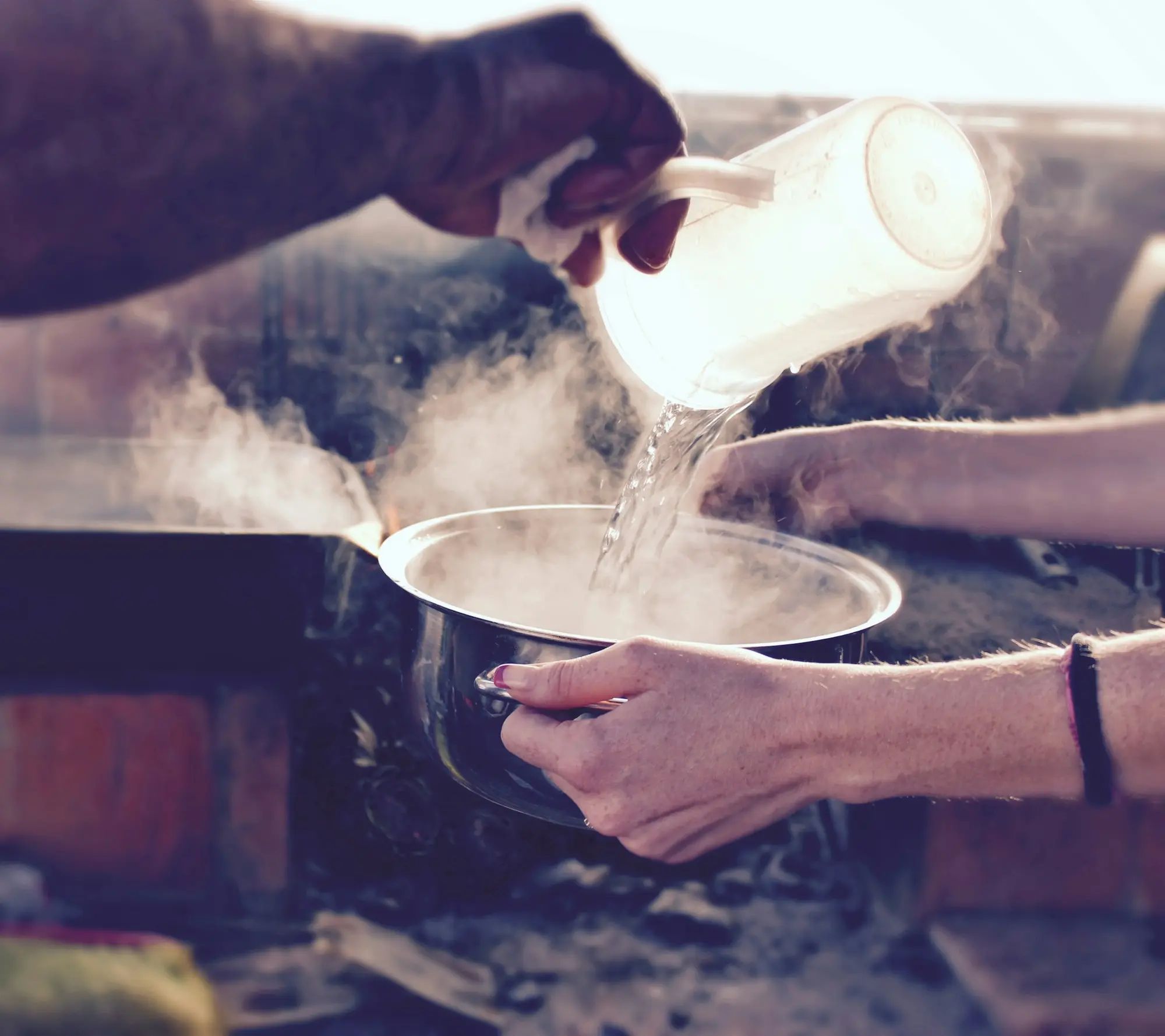
Start by placing 4 liters of hot water (not boiling) in the bucket, making sure the container can withstand high temperatures. Then add half a cup of white vinegar and half a teaspoon of dish soap. Stir well until all ingredients are integrated and try not to generate too much foam. You can also add a little essential oil to provide aroma if you are concerned about the strong vinegar smell, but it is important to know that even if you do not add any fragrance, the vinegar scent will disappear after a few minutes following cleaning.
How to Apply Your Cleaner to the Floor
Before starting with the application of the cleaner, it is important to sweep or vacuum the surface very well to remove any dust particles, crumbs or solid residues. Then, dampen a mop with the prepared solution and run it over the entire floor. You can also use a stiff-bristled brush and lightly scrub the surface, as long as you do not damage the finish. If you find difficult or persistent stains, you can use a sponge or a fiber dampened with the same cleaner and scrub the specific area to remove stubborn dirt. Finally, mop again with a rag or mop dampened only with clean water so you can remove the soap residues and repeat as needed to leave the floor clean. Let it dry completely and you can walk on it again without any problem.
Recommendations
To keep your kitchen clean and the grease-free floor, try to remove any splatter, whether oil or another liquid, as soon as they occur. Sweep frequently and mop the floor after cooking, whenever necessary. It is important to use a moderate amount of soap so that sticky residues do not remain on the floor, and dry the damp areas very well before walking on them again to reduce the risk of slips or accidents. Choose products suitable for the type of surface in your kitchen and remember not to mix vinegar with other products such as chlorine or cleaners to avoid adverse and dangerous reactions.
