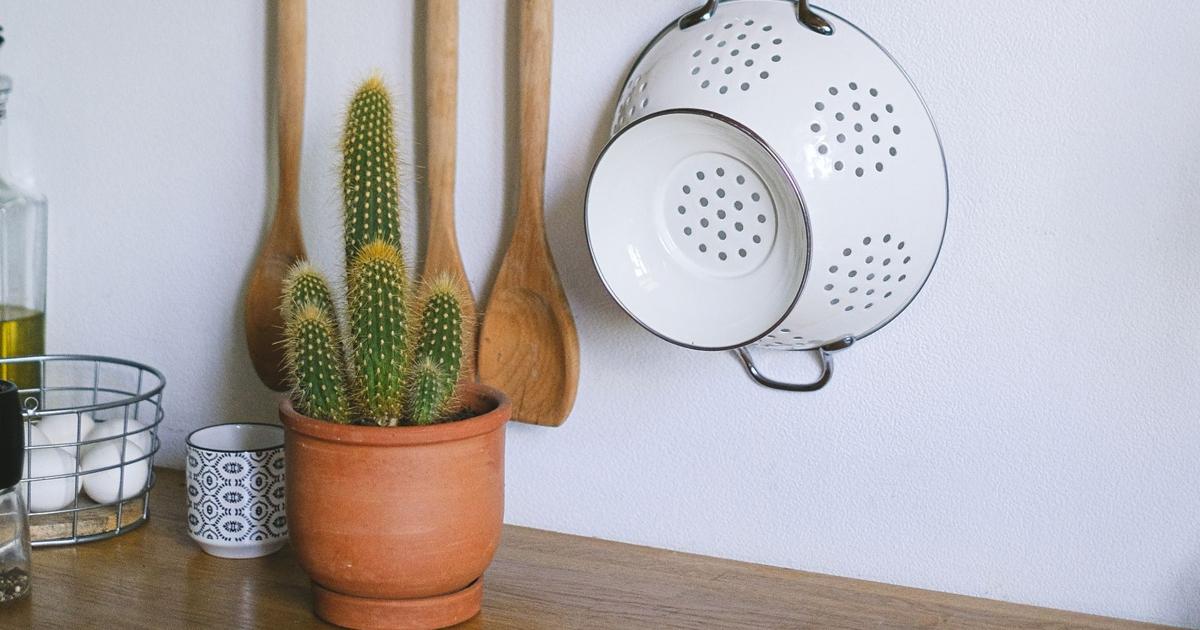
The cacti are fairly hardy plants, which is why they can be easily incorporated into all kinds of environments within the home. Their variety of shapes and sizes makes them perfect for shelves, countertops, or well-lit corners within the kitchen, giving this space a very special and natural touch without taking up too much space. However, although they require less water than other crops, that does not mean that the cacti can remain indefinitely in the same pot and soil without maintenance.
One of the care tips that many people overlook and that is worth bearing in mind when you have cacti in the kitchen is renewing the substrate. Its conditions directly influence the development of the roots of your plants and their health. If the soil hardens, accumulates a lot of moisture or loses its properties, your cactus could begin to show signs of deterioration and wilt. Therefore, it is advisable to regularly check the substrate’s condition and change it when necessary, helping to prevent problems before they affect the health of the plants.
Why it is important to change cactus soil
Over time, the substrate of a cactus can become compacted, lose porosity, or fail to provide the conditions the plant needs for the roots to receive sufficient air and nutrients. Additionally, excessive moisture buildup can promote root rot or even alter the availability of some nutrients. Therefore, renewing the soil allows us to regain good drainage, provide the appropriate growing medium, and check whether the roots are in good condition, detecting fungi or pests in time. It is also a perfect opportunity to change the pot if it has become small or if it lacks the proper drainage structures for your cactus to stay in good condition.
Cómo cambiar el sustrato de un cactus
It is important that, before starting this process, you stop watering your plant for several days so that the soil dries well and it is easier to remove it from the pot. Then, very carefully, remove the cactus using appropriate gloves if necessary to protect yourself from the spines, and gently remove part of the old substrate that is adhered to the roots. Check the condition of the roots and, if you find rotten or damaged parts, remove them with a clean and disinfected tool. Then, place your cactus in a pot with proper drainage holes and fill using a specific mix for cacti and succulents that is porous and contains mineral materials, such as volcanic gravel or perlite, which help to remove excess water easily. Once you have arranged the cactus, let it establish well and, after 5 to 7 days, you can water again.
How often is it necessary to change cactus substrate
The frequency depends a lot on the growth of the species, but don’t worry: several years will pass before you have to change the substrate or soil of your plant again. As a general reference, cacti with relatively fast growth will need soil changes every two or three years, while the rest can remain 3 to 4 years with the same substrate if it retains its characteristics and suitable conditions. To do it, the best season is spring, but if you detect rot, the presence of fungi or persistent moisture, it is advisable to intervene without waiting for the time frames explained above.
General care
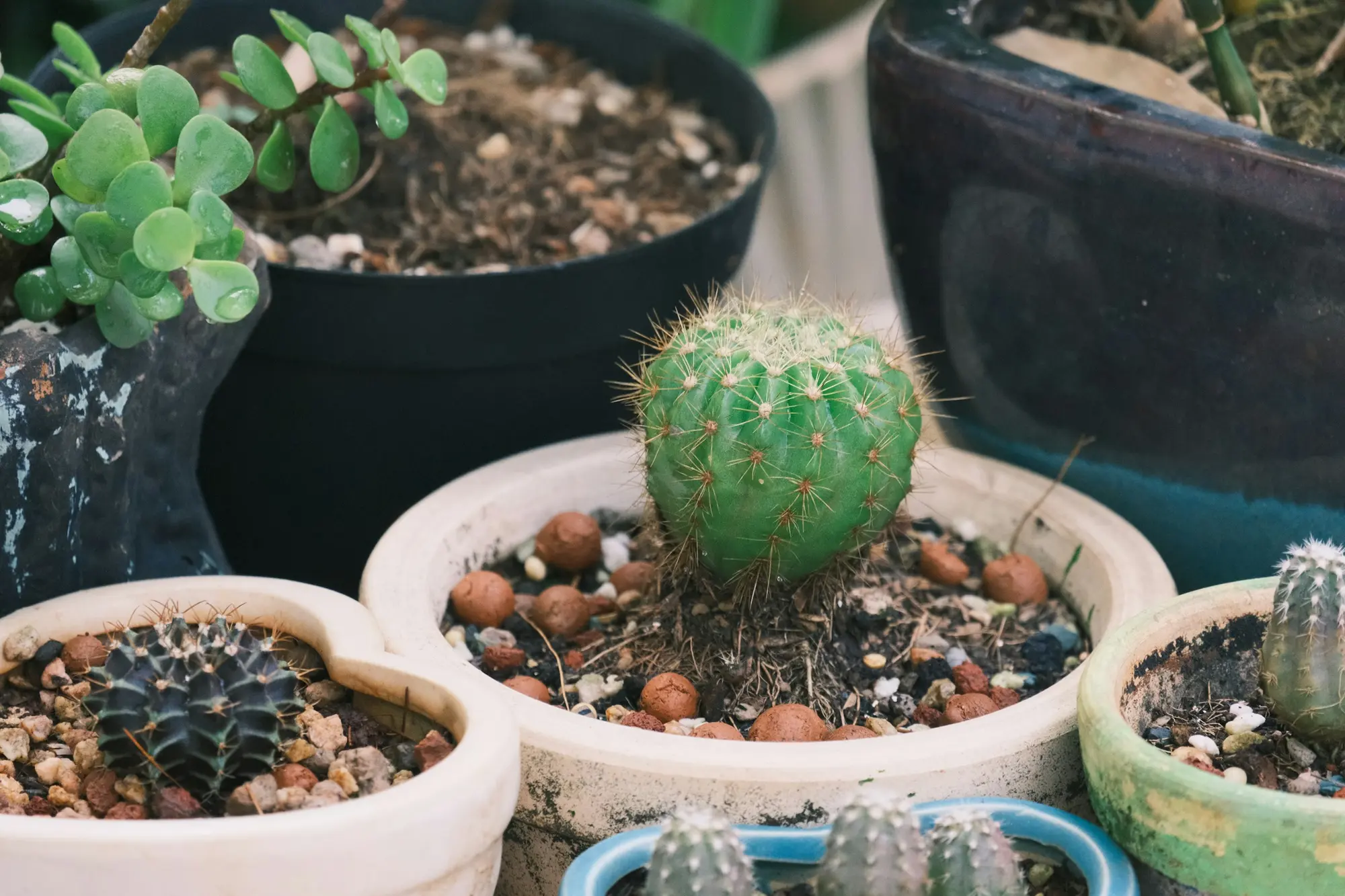
In addition to renewing the soil from time to time so that your cactus stays in good condition, it is also important not to neglect its basic care and to keep your plant in proper conditions. It is important that cacti receive several hours of abundant light per day, directly if the species allows, and that they have a well-ventilated environment. Water only when the substrate is completely dry and avoid leaving standing water in the saucer or pot of your plant. Use containers with adequate drainage and place them away from constant steam or from sources of intense heat if you have them in your kitchen.
