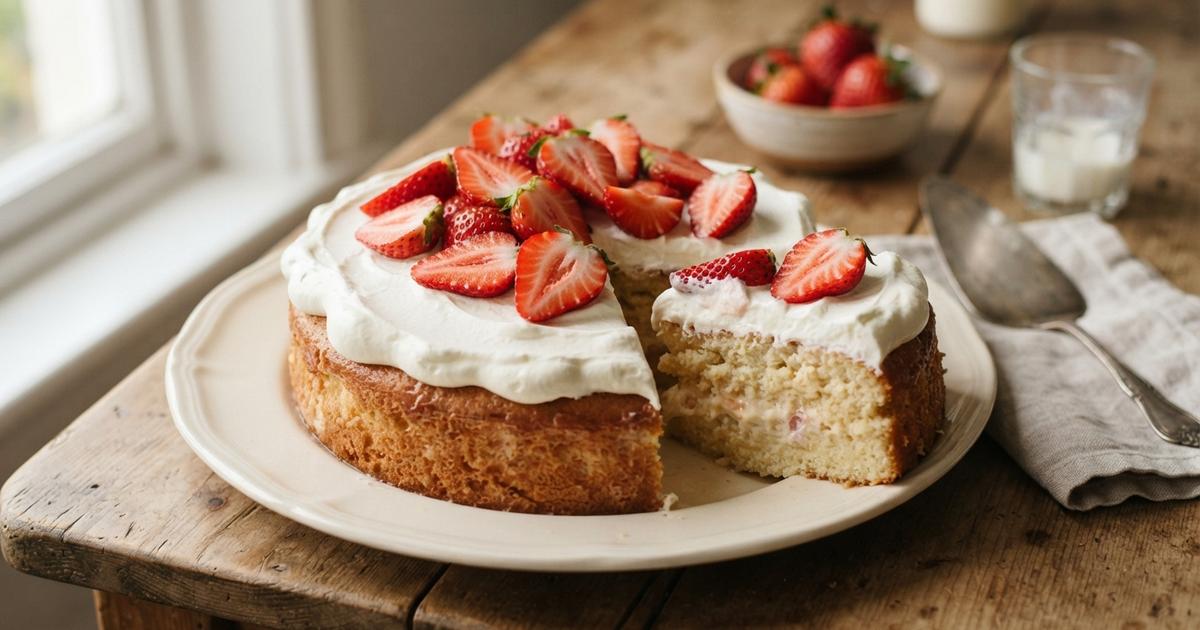
Learn to prepare this classic Mexican dessert, mastering the technique of whisking eggs and the perfect balance between the moisture of the milks and the freshness of the fruit.
The three-milk cake is, without a doubt, one of the pillars of baking in Mexico. Its presence is mandatory at family celebrations, birthdays, and special gatherings where a sweet and comforting ending is sought. This dessert, which combines the lightness of a fluffy sponge cake with the richness of a dairy blend, has evolved over the years to become a recipe that demands precision and patience, especially when integrating the ingredients to achieve that airy texture that characterizes a well-made bakery cake.
At the first bite, you will experience the perfect contrast between the softness of the cake, generously soaked in an aromatic blend of milks and sherry wine, and the natural acidity of fresh strawberries that provide freshness. The Chantilly cream acts as a silky canvas that unites the jam and the fruit, creating a balanced experience. Although it is a dessert with a high content of sugars, fats, and calories, its execution is an artisanal process that is worthwhile to replicate at home to pamper your loved ones.
The Fundamentals of a Light and Absorbent Crumb
For this dessert to be a success, it is necessary to take care of the cake’s structure, since it must withstand the moisture without falling apart. Here we explain how to achieve the ideal point:
-
Triple sifting: It is essential to pass the flour and yeast through a sieve at least three times. This process eliminates lumps, oxygenates the mixture, and ensures that the cake rises evenly, guaranteeing a fine and delicate crumb.
-
Whipping egg whites to stiff peaks: The cake’s volume depends almost exclusively on the air trapped in the whites. You should beat them until they are firm and fluffy; when adding the yolks one by one, keep the speed low to not lose that structure that will support the flour.
-
Folding motions: When incorporating the dry ingredients, avoid vigorous beating. Use a spatula with gentle, folding motions to integrate the flour without collapsing the air bubbles, which is the key to prevent the crumb from becoming dense.
The Assembly and the Moisture Level
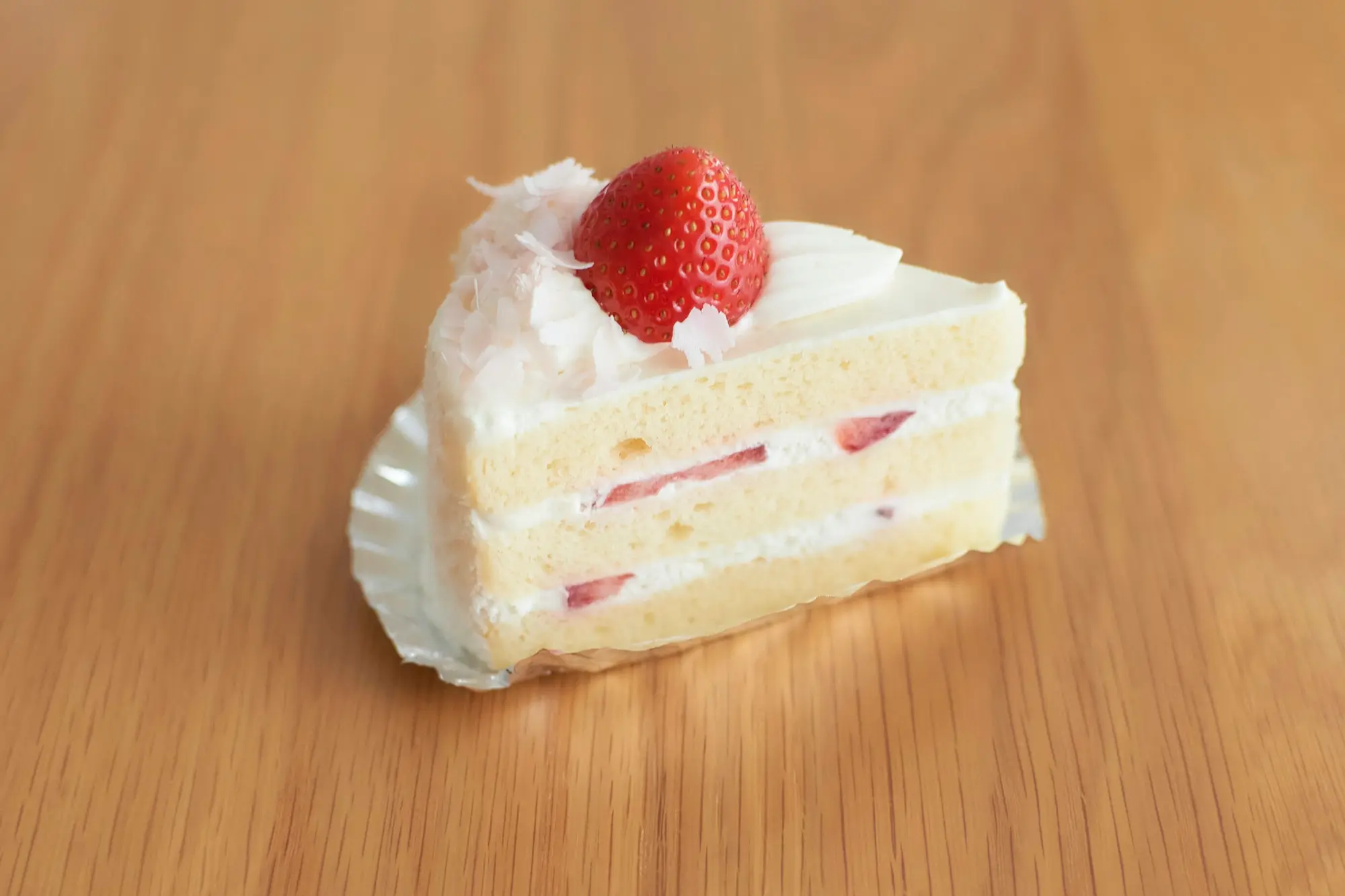
The success of a tres leches cake lies in the patience during assembly. Do not rush cooling of the cake, since a warm sponge will absorb the liquid unevenly, causing it to crumble when serving. Make sure the strawberries are well washed and disinfected before chopping them for the filling, always keeping the Chantilly cream cold so that it maintains the necessary consistency for decorating.
Ingredients
-
250 grams of Flour
-
11 Eggs
-
1 can of Evaporated Milk
-
1 can of Condensed Milk
-
1 teaspoon Baking Powder
-
1 kilogram Chantilly Cream
-
½ kilogram Strawberries
-
½ cup Sherry
-
1 jar Strawberry Jam to taste
Preparation
-
Sift the flour three times together with the yeast. Separate the yolks from the whites and beat the whites until they are fluffy and hold a firm peak.
-
Add the yolks to the whites one by one, mixing in thoroughly. Then, add the flour gradually using folding motions to maintain the lightness of the mixture.
-
Pour the batter into a greased and floured pan. Bake until a knife inserted into the center of the cake comes out clean.
-
Once the cake is done, remove it from the oven and let it cool completely before unmolding.
-
Blend the evaporated milk, condensed milk, and the sherry until you obtain a homogeneous mixture.
-
Split the cake horizontally in half. Soak both halves generously with the milk mixture.
-
Spread the bottom half with the strawberry jam. Finely chop half of the strawberries and fold them with a cup of Chantilly cream; place this mixture over the jam.
-
Place the other half of the cake on top, cover the entire exterior with the remaining Chantilly cream, and garnish with fresh strawberries to taste.
Preparing this dessert from scratch is a wonderful way to connect with the Mexican culinary tradition, achieving a cake worthy of any festive table. The key lies in the patience when moistening the bread, allowing each layer to absorb the flavors of the sherry and the milks, which guarantees a final texture that is exceedingly pleasant.
This article has been generated with the help of AI and reviewed by an editor. For more information, please consult our terms and conditions
