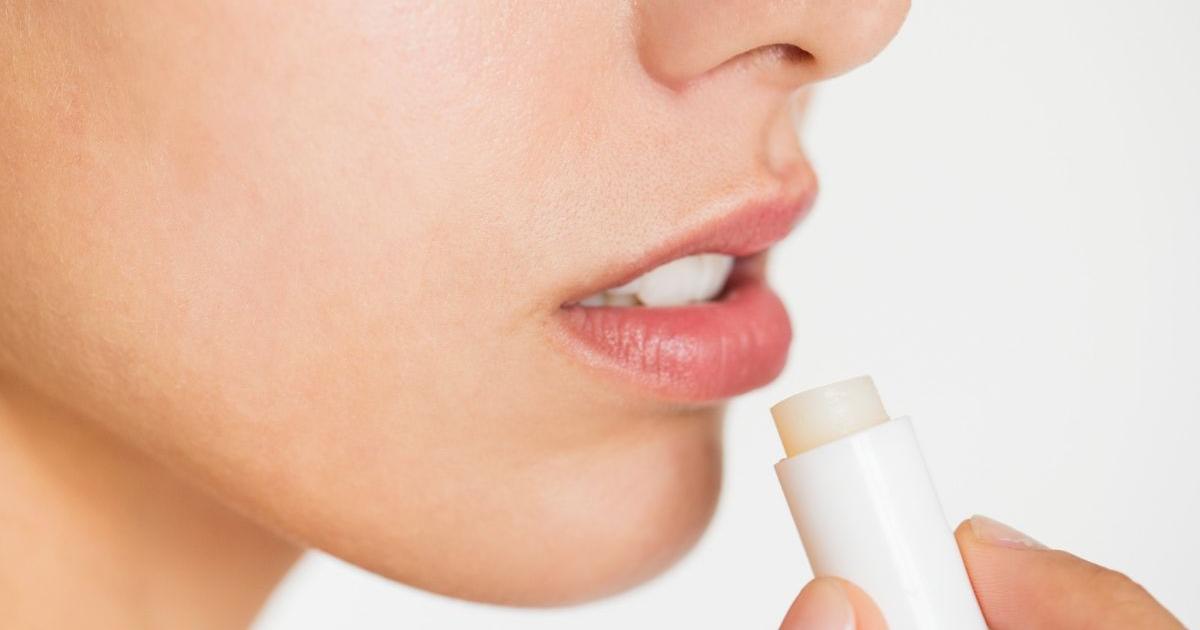
Lip balms are one of those products that should never be missing from your bag, especially when you want to keep your lips soft and prevent them from drying out. Although there are many options in stores and supermarkets, you can also prepare a homemade version with ingredients you may already have at home or that are easy to obtain. One of these alternatives uses coconut oil and hibiscus flowers to create a balm with a slight tint.
Hibiscus is known mainly for its use in preparing aguas frescas, infusions and various recipes, but its natural pigments can also be used to give color to some cosmetic preparations. By combining it with coconut oil and beeswax, you can obtain a mixture with a firmer texture, ideal for placing in a small container and using as a lip balm.
The best part of this recipe is that you don’t need too many ingredients or special tools to prepare it. You only need to crush the dried flowers, melt the ingredients in a water bath, and mix them until you obtain a uniform preparation. Below we share the quantities and the procedure to make your own homemade balm with color.
How to Make Your Own Homemade Lip Balm with a Touch of Color
Ingredients
-
2 teaspoons dried hibiscus flowers.
-
1 tablespoon grated beeswax.
-
1 tablespoon coconut oil.
Step-by-step Instructions
1. Place the dried flowers in a mortar or processor and crush them until you obtain a powder as fine as possible. If you want a more uniform texture, you can sift the powder before using it.
2. In a heat-resistant container, place both ingredients and melt them in a low heat water bath. Stir gradually until the wax melts completely and blends with the coconut oil. Avoid letting the mixture come into direct contact with the flame, as you need a gentle heating to achieve a uniform consistency.
3. Remove the container from the heat and add the hibiscus powder gradually. Mix until the ingredients are integrated and the preparation takes on a reddish hue. If you’re looking for a more intense color, you can let the mixture rest for a few minutes before continuing, though you should consider that hibiscus powder does not always release pigment uniformly in a fatty base.
4. Before placing the balm in its container, strain it through a fine mesh sieve to remove the flower remnants. This step is advisable if you want a smooth texture and to avoid particles that might feel rough on the lips. Do the straining while the mixture is still liquid and handle it carefully to prevent burns.
5. Place the preparation in a small, clean, dry container, preferably one designed for lip balms. Let it rest at room temperature until it cools and fully solidifies. Once it has a firm consistency, it will be ready for use.
