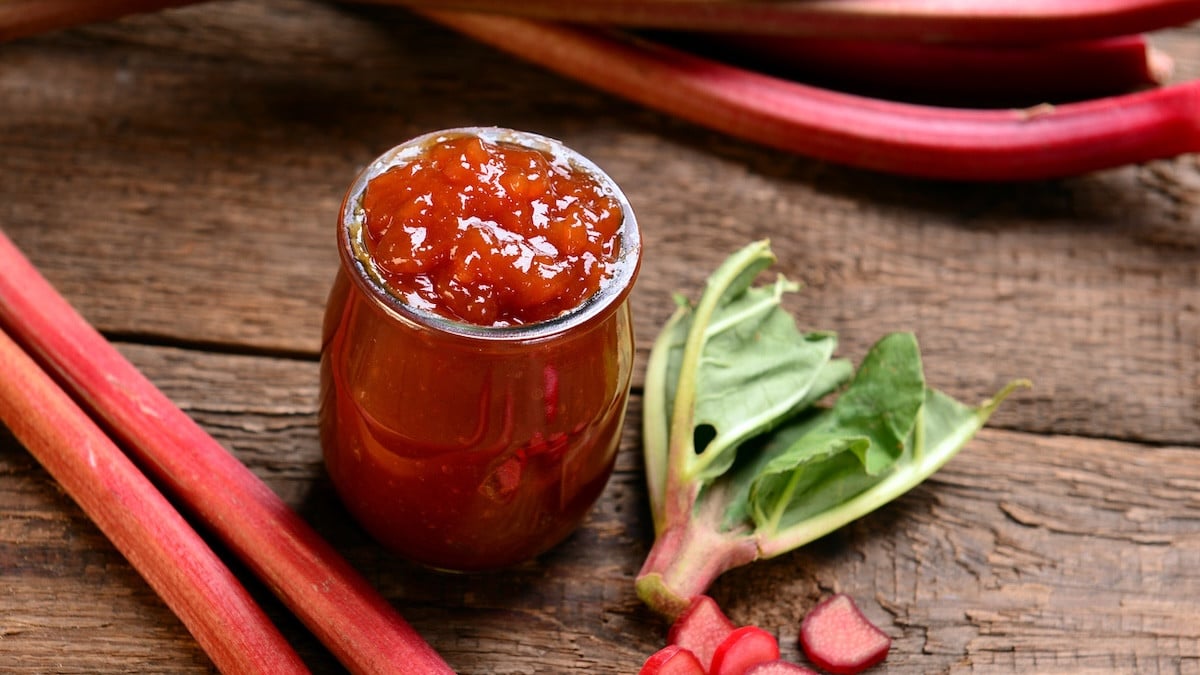
Rhubarb is the spring’s star vegetable! Yes indeed, it is a vegetable contrary to common belief. Tangy and aromatic, rhubarb promises compotes, pies and other irresistible desserts. Yet a single bad cooking decision can ruin everything and turn your preparation into an unpleasantly bitter mash… Here is the error almost everyone makes and, above all, the tip to avoid it forever.
Why does your rhubarb compote turn bitter?
Before discussing cooking, you must understand the nature of rhubarb. The stalks of this spring vegetable contain oxalic acid, a natural compound responsible for the tart taste that rhubarb is known for. In reasonable amounts, this acid is quite harmless and even pleasant on the palate. But when it concentrates under prolonged heat or a failed cooking, it becomes the number one enemy of your compote!
Another factor: the fibers of rhubarb. Very present in the stalks, they release astringent compounds when overcooked. And the result is undeniable! A cottony texture and a bitter aftertaste that persists despite added sugar.
And remember that only the stalks are edible in rhubarb! The leaves are toxic and MUST be removed.
The fatal mistake: cooking rhubarb over high heat for too long
For the sake of speed, you are still many to cook rhubarb over high heat hoping to obtain an express compote in a 10-minute sprint. Yet this is exactly the opposite of what you should really do.
Too intense heat degrades the rhubarb’s aromatic compounds and concentrates oxalic acid excessively, as explained above. The stalk, tasty raw or lightly cooked, then becomes a fibrous and bitter mass that no amount of sugar can balance.
The golden rule is gentle, controlled cooking.
How to succeed in rhubarb compote without bitterness
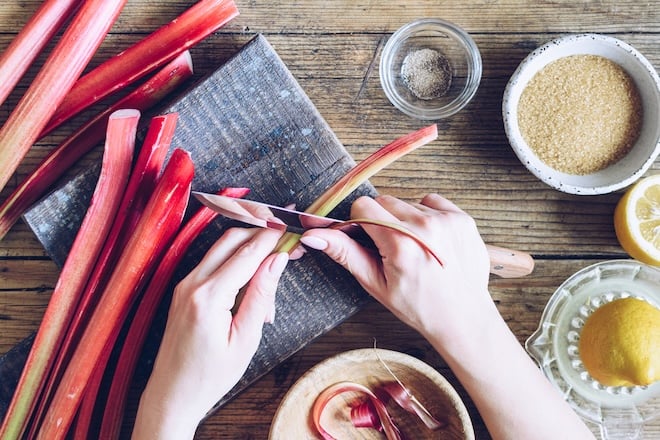
1. Peel the stalks, optional but highly recommended
Contrary to what one might think, the skin of rhubarb concentrates part of the substances responsible for bitterness. Take the time to peel it carefully by pulling the fibers as you would with celery. A simple step that can make a big difference in the final result.
2. Let the rhubarb release its juices before cooking
Once peeled, cut your stalks into chunks and Sprinkle them with sugar. Let them rest for 30 minutes to 1 hour. The rhubarb will release its water naturally, which allows you to cook in that juice without needing to add water. Result? A more fragrant and less bitter compote.
3. Cook on low heat and no more than 15 minutes
Place your degorged rhubarb in a heavy-bottomed saucepan over low/medium heat and stir regularly. In 10 to 15 minutes, the stalks will melt while preserving their aromas. No need to go beyond this recommendation. Rhubarb is “fast” when you don’t brutalize it!
4. Add other fruits to balance
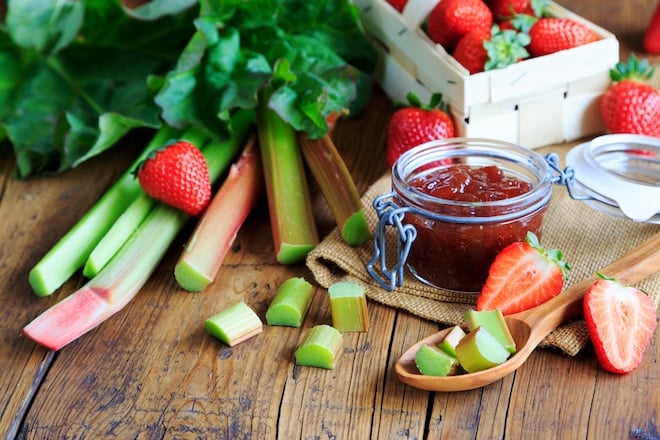
Strawberry is RHUBARB’s best friend! It brings sweetness and roundness that naturally counterbalance rhubarb’s acidity. Raspberry or apple also work very well. A touch of vanilla can also make all the difference! By pairing with other fruits or mild spices, you will reduce the oxalic acid concentration and you will ultimately obtain an irresistible compote without adding too much sugar.
The detail that changes everything: choosing the right saucepan
If you follow all these tips but use the wrong material, you are throwing away all your hard work… Indeed, cooking rhubarb in an aluminum or unenameled cast-iron pot is a mistake many of you make. Oxalic acid reacts with these materials and can intensify the bitterness while giving your compote a grayish and unappealing tint. Therefore, prefer a stainless steel, enameled, or nonstick-coated pan.
Now you will never miss your rhubarb compote again with all these easy tips to implement!
