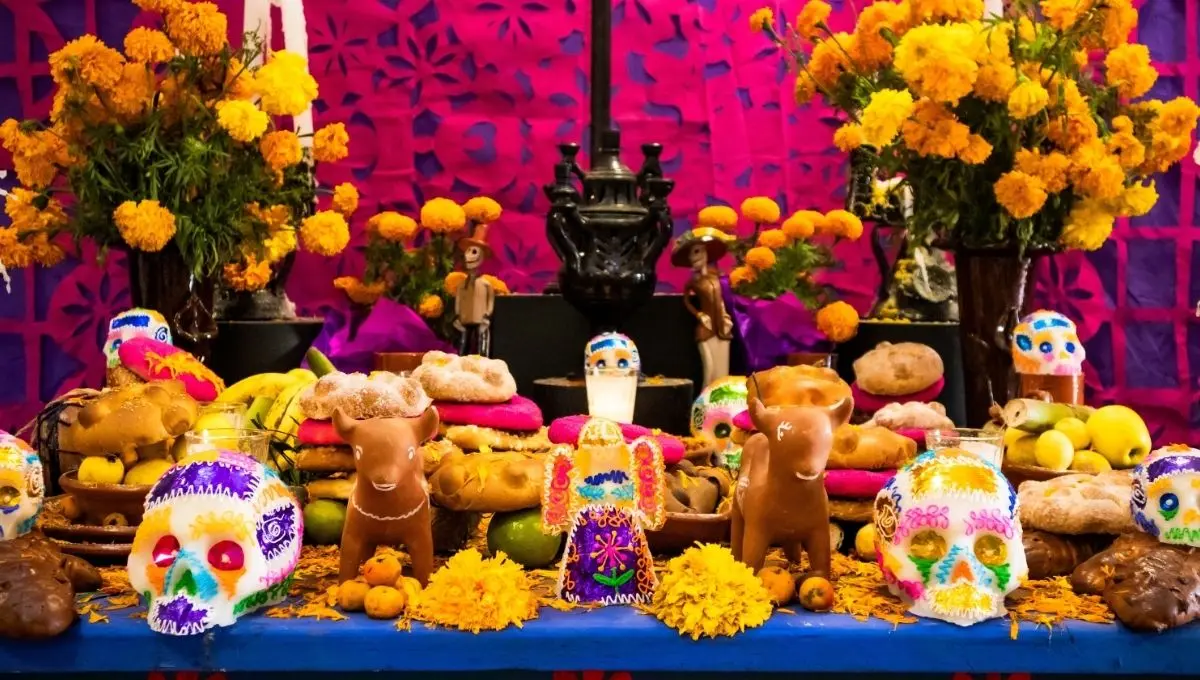
Every year, with the arrival of the Día de Muertos, Mexican households fill with scents, colors and memories to symbolically welcome the loved ones who have already passed away. Among the most representative elements of this tradition are the flowers, which adorn the offerings, accompany the photographs and help create a special space to honor the memory of those who are no longer here.
Although the cempasúchil is one of the flowers most recognized in this celebration, it is not the only one used to decorate the altars. Other varieties, such as the nube, the velvet and the chrysanthemum, are also incorporated for their colors, shapes and traditional meanings, which can vary according to the region and family customs.
If you are preparing your ofrenda or altar for Day of the Dead this year, knowing the most-used flowers will help you decide which to include according to the space available and the style you want to give it. Some stand out for their intense tones, while others bring delicacy and contrast, so you can combine them to create a decoration full of life and symbolism.
What are the most traditional flowers for a Day of the Dead offering?
1. Cempasúchil
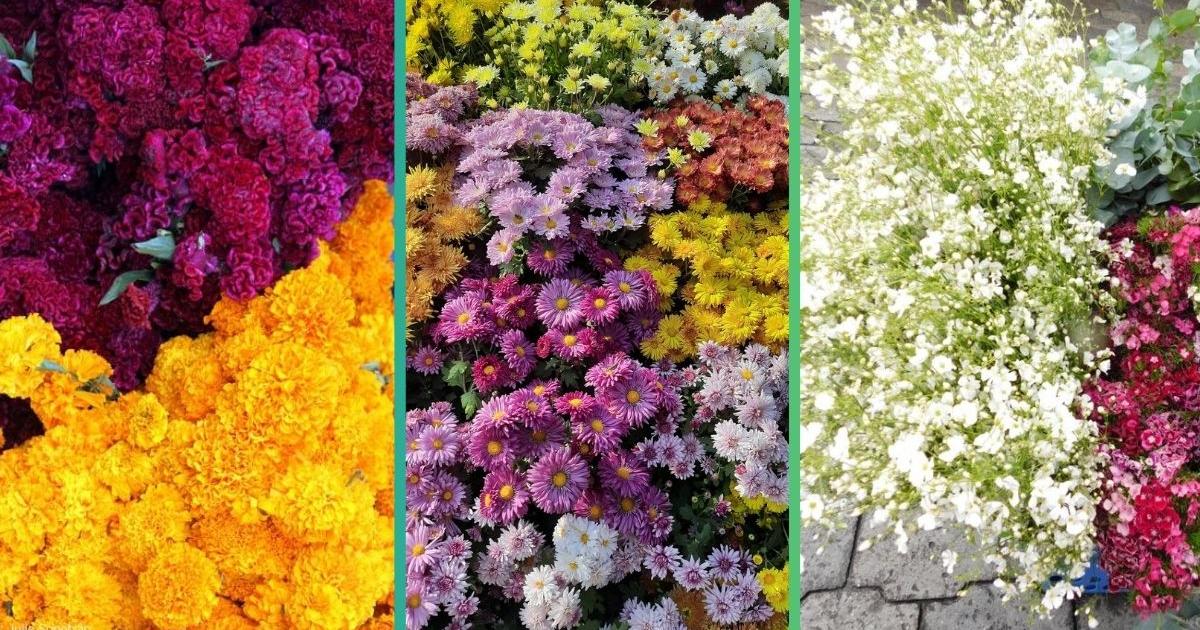
The cempasúchil flower is the most representative of the Day of the Dead. Its yellow and orange petals evoke the sun and, according to tradition, its aroma helps guide the souls of the deceased toward the offerings prepared in their honor. Therefore, it is common to place it in vases, form paths with its petals and decorate the entrances of houses. Its name comes from the Nahuatl “cempohualxochitl”.
2. Cloud or Bride’s Veil
The cloud, also known as the bride’s veil, is distinguished by its small white flowers grouped into clusters, though pink varieties also exist. In Mexican offerings it is used to complement the arrangements of cempasúchil and provide a delicate contrast. According to the tradition of some regions, it is placed especially on the altars dedicated to deceased girls and boys, as its light tones are associated with purity, peace, and harmony.
3. Velvet Flower
The velvet flower, also called lion’s paw or rooster’s comb, is another traditional variety of this celebration. Its inflorescences have a velvety texture and intense colors that range from red and pink to purple and fuchsia. It is used to decorate altars and tombs, where it adds volume and contrast with the orange of the cempasúchil. In some popular interpretations, its tones and appearance are associated with consolation, spirituality, and the remembrance of loved ones.
4. Chrysanthemum
The chrysanthemum is a flower with numerous petals that can be found in different colors, such as white, yellow, pink and purple. During the Day of the Dead season it is used especially to adorn tombs, vases and offerings, as its flowers abundant allow for creating striking arrangements. In some traditions, it is linked to eternity, remembrance and homage to those who passed away; additionally, its purple tones align with the colors characteristic of this festival.
5. Carnation
The carnation is an alternative for decorating an offering thanks to its abundant petals and its colors, among which red, pink, white, and yellow stand out. Traditionally it is associated with love, union and remembrance, so it can be incorporated into floral arrangements dedicated to deceased family or friends. It is also an option to combine with seasonal flowers and give the altar different tones.