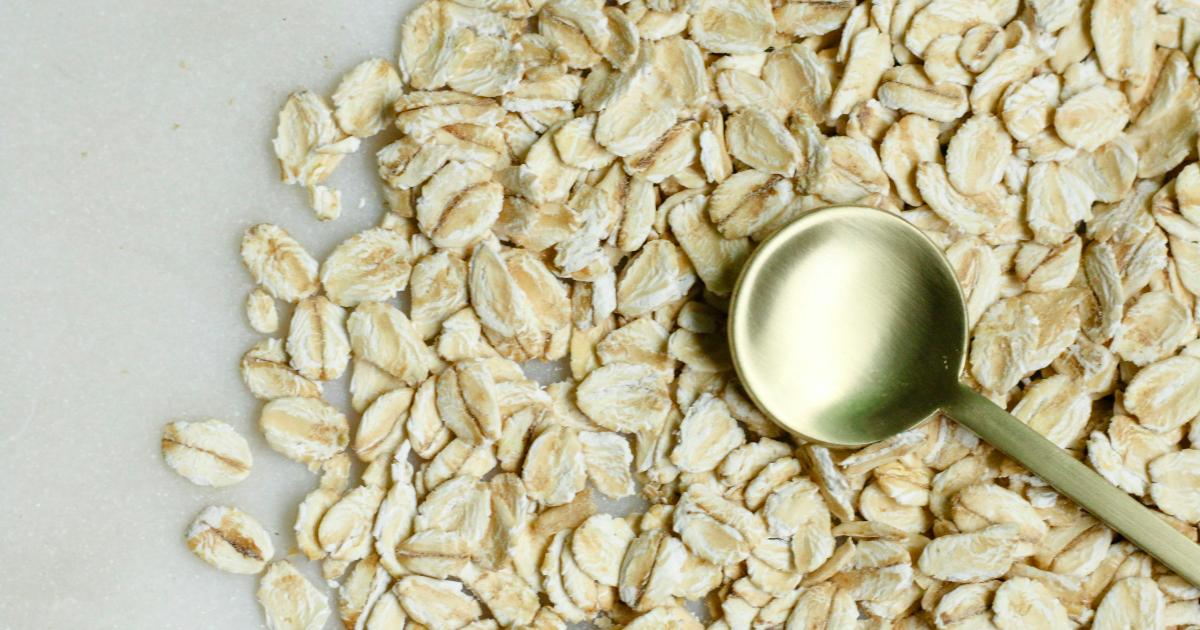
Oats are one of the most popular cereals for breakfast, thanks to their versatility and the nutrients they provide. You can prepare them with milk or water, pair them with fruits, or incorporate them into smoothies, cookies and other dishes. In addition to being a practical option, they contain soluble and insoluble fiber, proteins and minerals that contribute to the body’s functioning.
To mark the World Oats Day, celebrated every October 28, it is worth knowing what happens when this cereal becomes part of daily eating. Its content of beta-glucan, a type of soluble fiber, is linked to benefits such as helping to reduce cholesterol and promote a feeling of fullness. However, its effects depend on the amount you consume and the other foods that are part of your diet.
Next, we will tell you whether it is bad to eat oats every day, what effects excessive consumption may have and how much is recommended to consume per day. Keep reading and take note!
Is it good to eat oats every day?
So, is it bad to eat oats every day? Not necessarily. Eating them regularly can be compatible with a healthy diet, but eating portions that are too large or increasing fiber abruptly can cause discomfort. It also matters how you prepare it: it is not the same as a bowl of natural oats with fruit as one loaded with sugar, syrups and other caloric ingredients.
Including oats daily can help you increase your fiber intake, an important nutrient for digestion and cardiovascular health. According to Harvard T. H. Chan School of Public Health, the beta-glucan from this cereal can contribute to lowering LDL cholesterol, known as bad cholesterol. In addition, fiber helps prolong satiety and promotes intestinal regularity.
However, eating oats every day does not guarantee weight loss nor prevent diseases by itself. Its benefits depend on overall diet, portions and individual habits. It is advisable to combine it with fruits, seeds or nuts in moderate amounts, in addition to alternating it with other whole grains and fiber sources to maintain a varied diet.
How much oats should you eat per day?
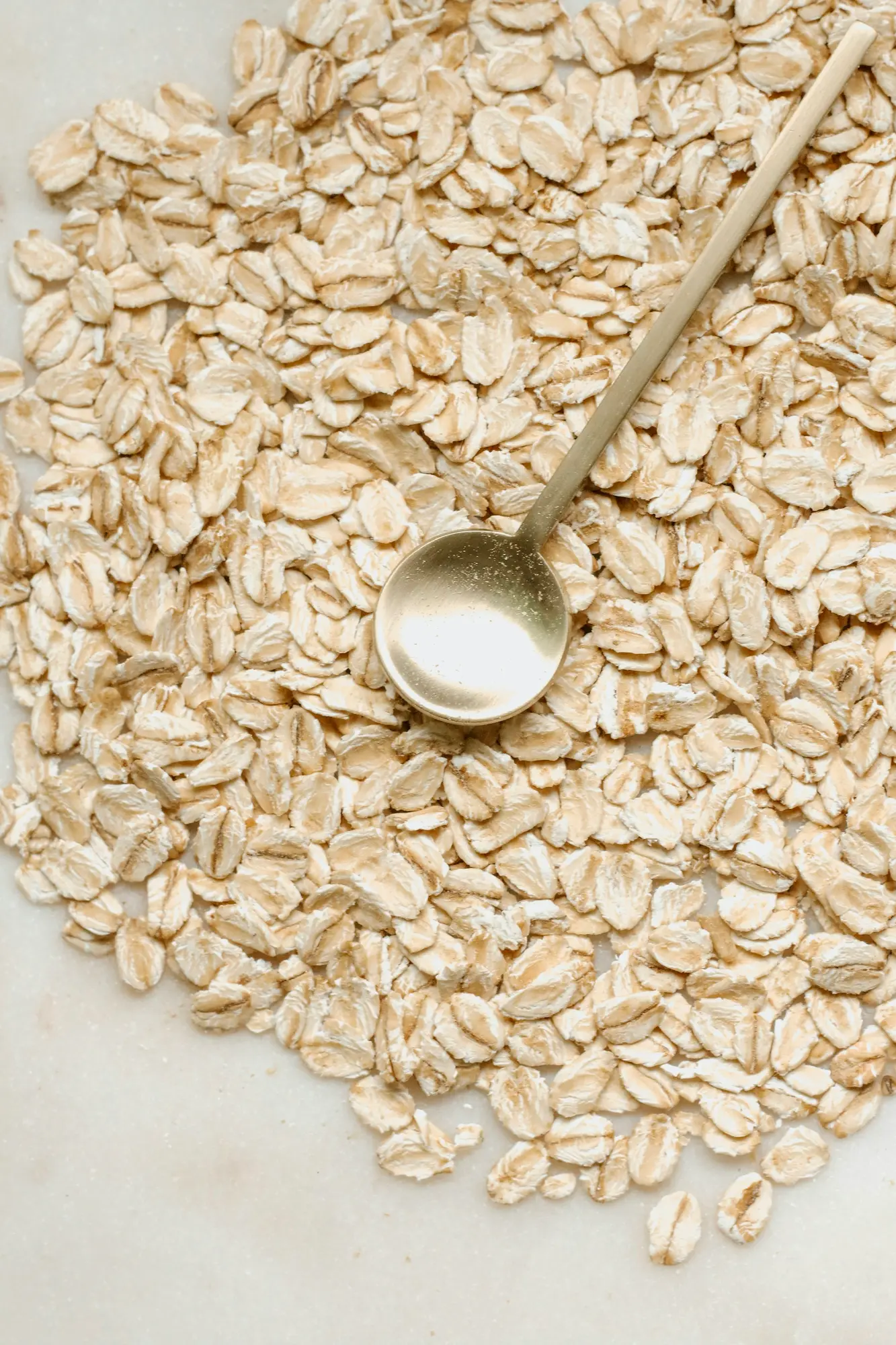
There is no single amount that is appropriate for everyone, since nutritional needs change with age, physical activity and the rest of the diet. As a practical reference, a portion of approximately 30 to 40 grams of rolled oats in dry form can be a starting point for preparing a breakfast. From there, you can adjust the amount according to your appetite and your needs.
It is also important to remember that oats should not be the only source of fiber. Mexico’s Secretariat of Health notes that a proper diet should include different high-fiber foods and that when you increase your intake, it is advisable to do so gradually and drink enough water to avoid digestive discomfort. To reap their properties, choose natural oats or rolled oats and check the labels of flavored instant varieties, as some contain added sugars.
You can accompany them with fresh fruit, cinnamon, seeds or a moderate portion of nuts, ingredients that provide flavor and variety without needing to sweeten them too much. If you currently consume little fiber, gradually increase portions and observe how your body responds. If you have a digestive disease, follow a diet prescribed by a health professional or notice persistent discomfort after eating oats, consult a doctor or nutritionist to determine what amount is appropriate for you.
