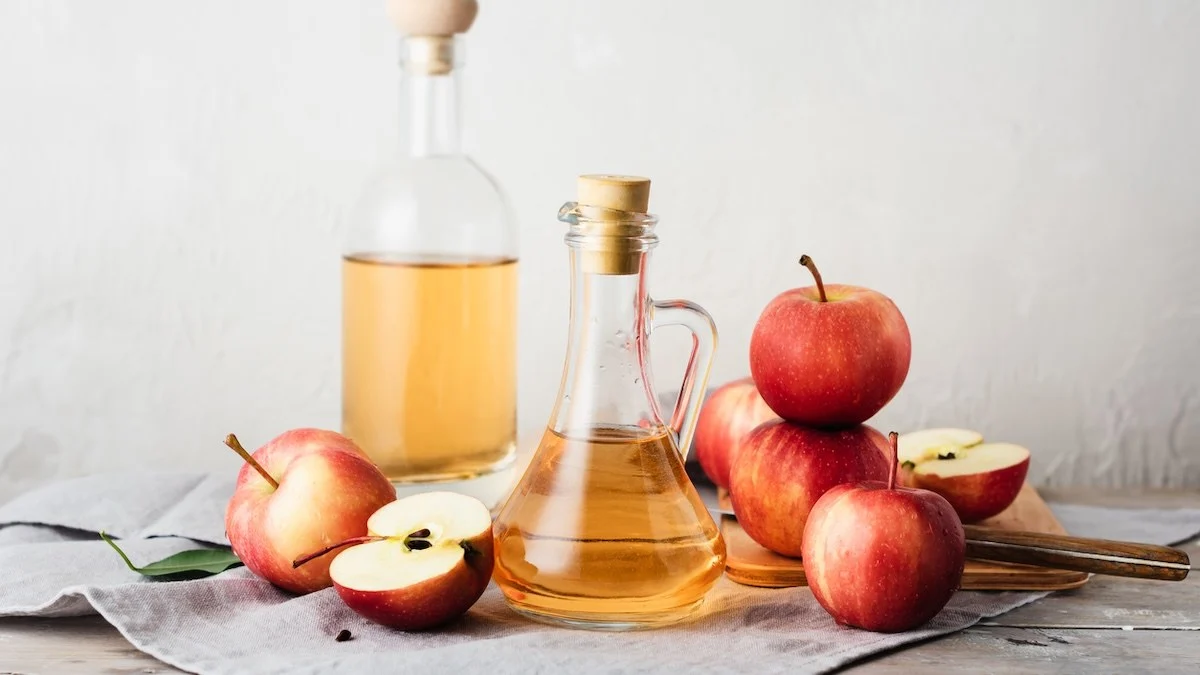
Whether on TikTok or on Instagram, it’s hard to escape this phenomenon. Many videos claim that a simple spoonful of apple cider vinegar diluted in a glass of water and swallowed every morning on an empty stomach would work miracles. Weight loss, easier digestion, stabilized blood sugar… Apple cider vinegar has earned a reputation as a superfood for some time. But what do studies actually say about this? We dug into the question to separate what truly falls within science from what is more of a wellness fantasy.
Better Glycemic Control
That’s the most scientifically solid argument. Apple cider vinegar contains acetic acid, a compound that would slow the rate at which carbohydrates are digested and thus the passage of sugar into the blood. Indeed, consumed before a meal, apple cider vinegar could limit the glycemic spikes that follow the intake of starchy foods or sugars. Some nutrition specialists, including French biochemist Jessie Inchauspé (known on Instagram as @glucosegoddess), actually recommend taking a tablespoon before each meal to smooth the glycemic curve.
A Boost for the Gut Flora
Apple cider vinegar (unpasteurized) contains probiotics, those microorganisms that contribute to the balance of our gut microbiota. And a better gut flora means improved digestive comfort, in particular thanks to more efficient absorption of nutrients. This is one of the reasons people say apple cider vinegar helps combat bloating and the sensations of heaviness after meals.
A Hunger-Suppressing Effect (But Short-Term)
Another widely shared promise on social networks: weight loss. But caution! Scientific research suggests that apple cider vinegar could indeed provide a feeling of fullness and reduce appetite for a short period. Conversely, no serious study has proven a lasting slimming effect if the vinegar is consumed alone, without a broader change to our diet or complementary physical activity.
A Potential Ally for Heart Health
Some publications also mention a positive effect on lipid profile (cholesterol). A daily intake of 30 ml of apple cider vinegar for several weeks could help lower bad cholesterol (LDL) while increasing good cholesterol (HDL). An interesting benefit for cardiovascular health, again provided it is integrated into an overall healthy lifestyle.
Apple Cider Vinegar: How to Use It Properly?
While many studies show certain benefits of apple cider vinegar for the body, it’s obviously important to remember that these are pieces of information to take with a pinch of skepticism. And above all, not all apple cider vinegars are created equal! To make the most of its active compounds, it’s best to choose an organic, unpasteurized, and unfiltered version, ideally aged for several months in a wooden barrel. Do your research before buying your apple cider vinegar.
On consumption, keep in mind this golden rule: never drink it pure! Its acidity can damage tooth enamel and irritate the esophagus. The best method is to dilute a tablespoon in a large glass of water and swallow it preferably before a meal. You can also easily incorporate it into a vinaigrette or into a marinade.
Mistakes to Avoid
Drinking apple cider vinegar pure, overdoing it hoping for faster results or thinking that it can replace any treatment for diabetes or cholesterol are the main traps not to fall into. People suffering from gastric ulcers should stay cautious since the natural acidity of apple cider vinegar can worsen these symptoms. Excessive and prolonged consumption can also lead to a drop in potassium levels in the body.
What to Remember
Apple cider vinegar is not a magical remedy. Its benefits for glycemic control, digestion, or cholesterol are indeed recognized, but they are by no means miraculous! Especially if you do not modify your overall diet and if you do not have regular physical activity alongside. No food, however virtuous, has the power to radically transform your lifestyle if consumed alone.
If in doubt or if you are following any particular medical treatment, always consult your doctor before incorporating this routine into your daily life.
