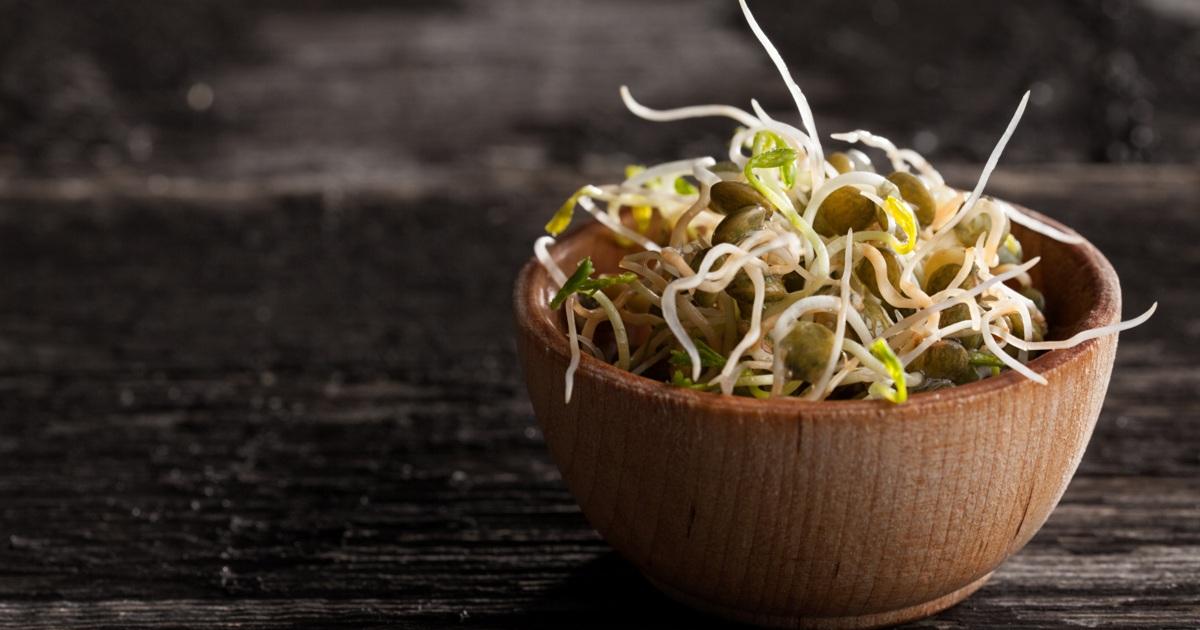
The lentils are one of the most nutritious legumes available to us, and, moreover, they are also a very popular food. This ingredient is known for its high contribution of plant-based proteins, fiber, vitamins and minerals, and, therefore, can easily form part of a varied and balanced diet. Although they are normally eaten cooked in salads, soups and stews, there are also other ways to use them, for example, sprouting them at home. This process allows the seed to begin developing a small root and triggers important changes in its nutritional composition.
Preparing the lentil sprouts is quite simple and can offer you great benefits. It does not require special tools and you only need a little water, a glass jar and some specific precautions over a couple of days. However, this is a process that must be carried out step by step to achieve the correct transformation and obtain the nutritional benefits of the sprout. Here we will explain how to do it, what sprouted lentils can contribute, and how to handle them safely. So you can incorporate them into your diet and take advantage of their benefits without overlooking the necessary precautions for consuming them.
What benefits does sprouting lentils bring
Among the main benefits of sprouted lentils is the major change in their components after this process, which improves the availability of certain nutrients and alters their nutritional profile. During germination, phytates, compounds that can hinder the absorption of minerals such as iron and zinc, decrease. They can also increase certain vitamins, such as vitamin C. Likewise, carbohydrates and proteins are modified and, in some cases, digestibility improves. However, it is important to carry out the process correctly so that these changes occur properly. In addition, sprouted lentils retain their substantial fiber and plant protein content, thereby helping you feel fuller for longer.
How to sprout lentils correctly
Start by choosing whole, unhulled lentils. Check that there are no stones, damaged grains, or dirt residues, rinse them with a little water and place them in a glass jar. Then, add approximately three times their volume of clean water to cover them, cover the mouth of the container with a gauze or clean cloth, secure it well and leave the lentils to soak for 12 hours in a cool place, away from direct sunlight. When finished, discard the soaking water and rinse the legumes again.
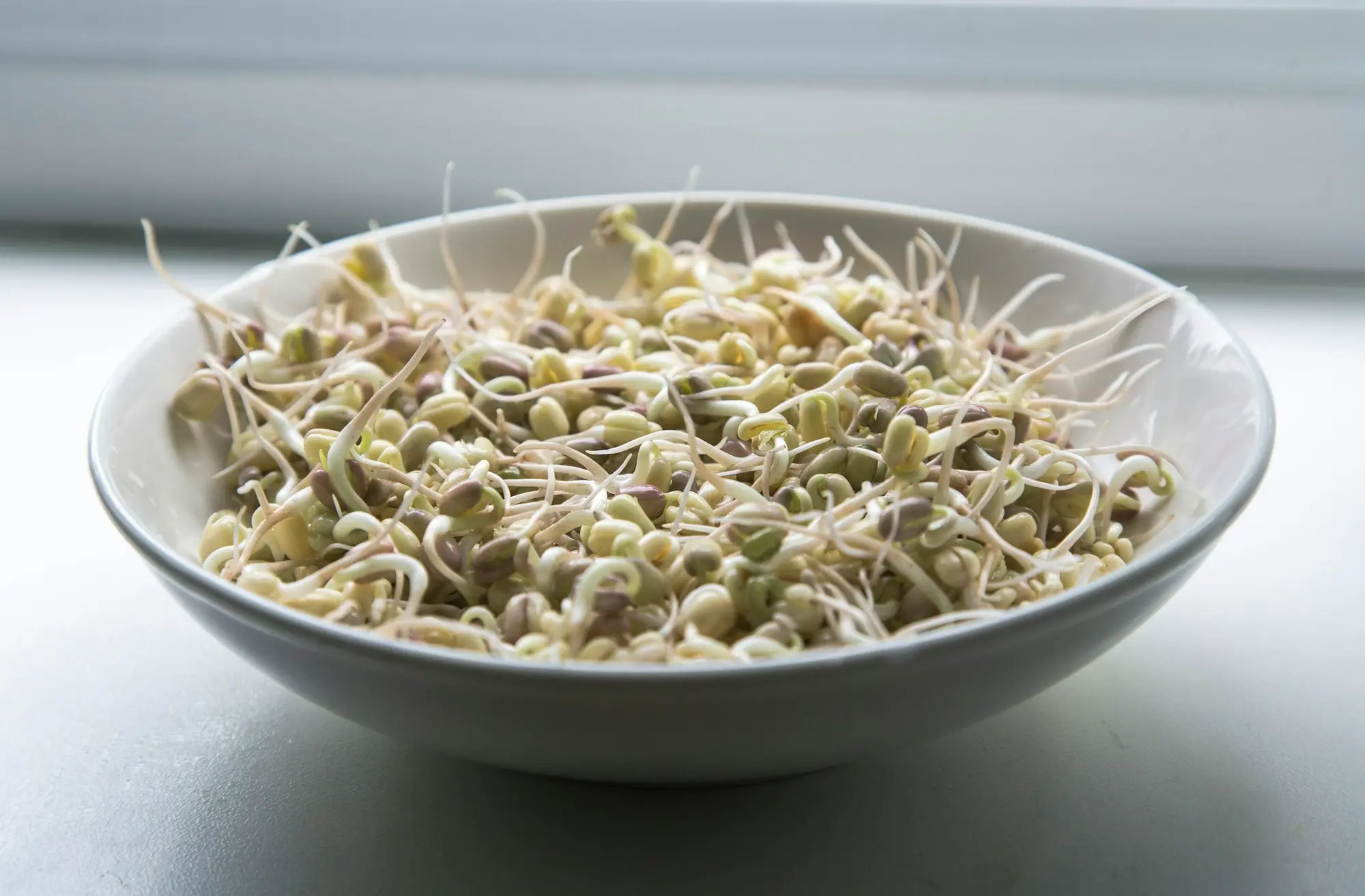
The next step is to return the lentils to the jar and place it tilted, with the mouth downward, over a strainer or a plate that allows you to remove excess water without blocking the entry. Over the following days, you should rinse them with potable water, drain them and place them back inside the jar, bringing it again to its tilted position once more and repeating the process two or three times a day. The first white roots will appear within the first 24 to 48 hours, but the sprouts will be ready three to four days later, depending on the temperature and environmental conditions. It is important that the jar is well cleaned, avoid using stagnant water and discard the contents if it develops a viscous texture or an unpleasant smell.
How to use your sprouted lentils
Once the entire germination process has passed, you should rinse your lentils once more and cook them before incorporating them into your dishes. This way, you can consume them more safely. You can also add them to soups, vegetables, stews, tacos or warm salads, ensuring that the cooking is adequate. The use of sprouted lentils is very similar to that of cooked lentils, but their nutritional profile changes considerably, so they can be an excellent option to balance and complement your diet with new alternatives.
