Inflammation is a natural response of the body that helps repair tissues and defend against injuries or infections. However, when it persists for prolonged periods, it can become a factor related to various health issues, so maintaining daily habits is important for long-term well-being.
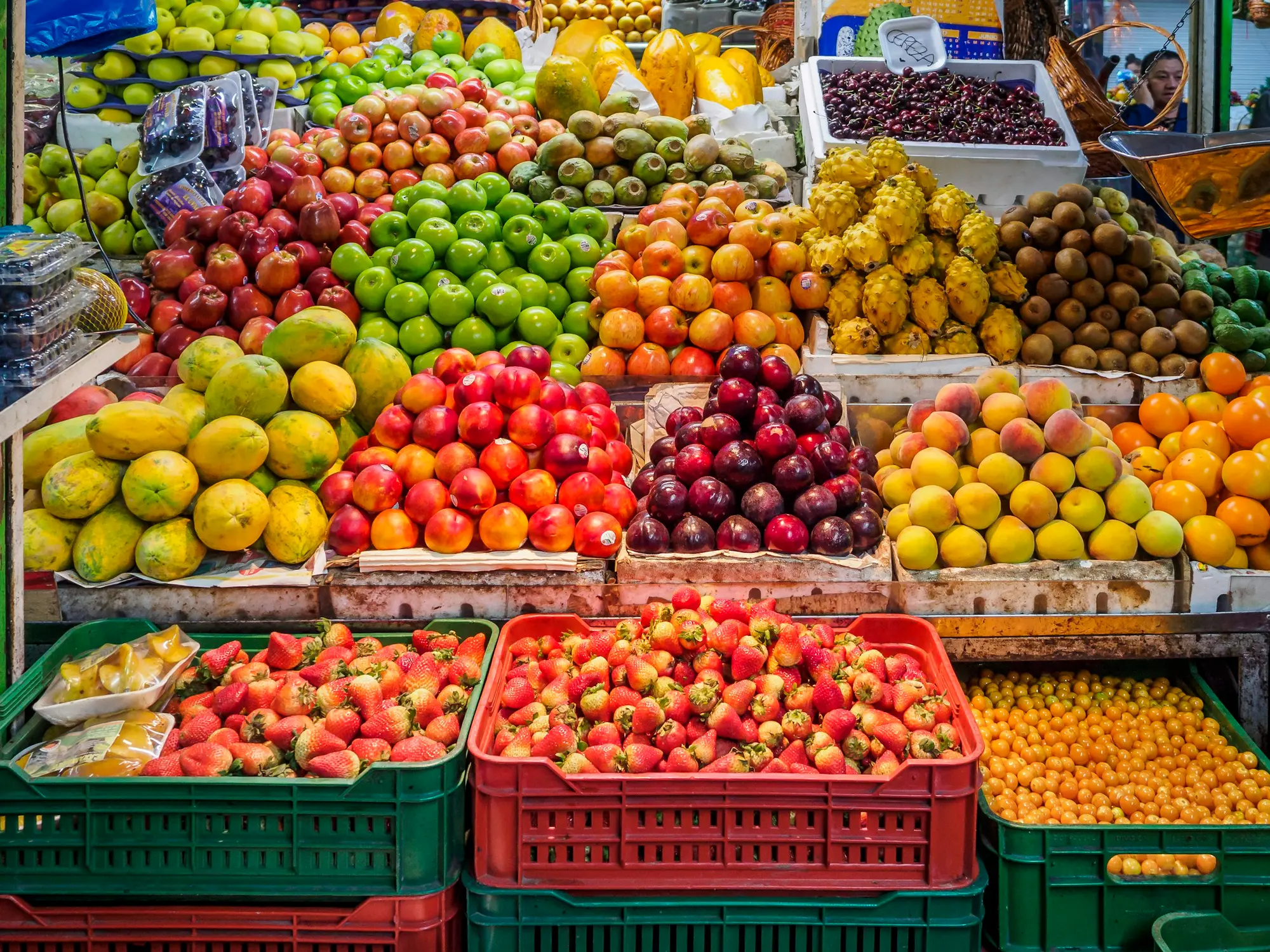
One of the ways to promote a balanced diet is to consume varied fruits, as they provide vitamins, fiber and plant compounds with antioxidant properties. According to Harvard Health Publishing, some of them have attracted particular interest due to their possible relationship with the reduction of inflammation and protection against cardiovascular diseases, diabetes and certain types of cancer.
Among the options that stand out are various fruits that, thanks to their content of antioxidants, vitamins and other plant compounds, can contribute to the wellbeing of the body. However, their benefits depend on the overall diet and other healthy habits, so none should be considered a cure nor substitute for medical treatments. Therefore, this article outlines which fruits stand out for helping to combat inflammation, according to Harvard, and what properties they contribute to health.
Which fruits stand out for their anti-inflammatory properties?
1. Red berries: strawberries, blackberries, blueberries and raspberries
The red berries stand out for their content of antioxidants, vitamin C, fiber and plant compounds such as anthocyanins and ellagic acid. These components are studied for their possible anti-inflammatory effects and for their relation to cardiovascular and metabolic health. Anthocyanins are the natural pigments responsible for the red, blue, and purple tones of some of these fruits, so including strawberries, blackberries, blueberries and raspberries in the diet allows taking advantage of a variety of nutrients.
2. Apples
Apples provide fiber, vitamin C, pectin and polyphenols, substances that are studied for their possible antioxidant effects and their relation with intestinal health. Some studies have also linked the consumption of apples and pears with a lower risk of dying from cardiovascular diseases, although this does not demonstrate that eating them by themselves prevents these conditions. To better benefit from their fiber, it is recommended to eat them whole with the skin, after washing them properly.
3. Cherries, peaches, apricots and plums
Stone fruits, such as cherries, (peaches), apricots and plums, contain fiber, vitamin C, potassium and different phytochemicals that contribute to their nutritional value. In particular, cherries have been studied for their possible relationship with the reduction of muscle soreness after exercise and a lower risk of gout attacks. However, available results do not allow us to assure that these effects occur in all people.
4. Citrus fruits: orange, grapefruit, lemon and lime
Citrus fruits provide vitamin C, fiber, potassium and plant compounds such as flavonoids and carotenoids, which are studied for their antioxidant properties and their possible involvement in inflammatory processes. They are also part of a diet associated with benefits for cardiovascular health. A simple way to take advantage of their nutrients is to eat whole oranges and grapefruits, or use lemons and limes to flavor meals without adding sugar.
5. Pomegranate
Pomegranate contains fiber, potassium, vitamins C and K, as well as plant compounds such as anthocyanins and resveratrol, which are studied for their possible antioxidant effects. Its seeds can be added to salads, plain yogurt, oats or combinations with other fruits to increase the variety of nutrients in the diet. Nevertheless, more research is still needed to determine precisely what effect habitual consumption has on inflammation in humans.
6. Grapes
Grapes provide fiber, vitamins C and K, in addition to various phytochemicals that participate in antioxidant processes and are studied for their potential health benefits. They can be eaten fresh as a snack or added to salads, plain yogurt and oats. To better reap their fiber contribution and avoid added sugars, it is preferable to choose the whole fruit rather than regularly consuming sweetened juices.