In a world saturated by daily stress and digital over-stimulation, the search for natural alternatives to regain balance has become essential. This is where lavender emerges as an accessible resource that blends traditional herbalism with modern science to restore serenity to your daily routine.
This plant not only stands out for its unmistakable aroma, but also for its deep antiseptic and anxiolytic properties and an ancestral symbolism linked to purity and calm. Learn how this Mediterranean plant can transform your mental well-being and revitalize the energy of your everyday spaces in a simple way.
And indeed, incorporating this plant into your home does not require complex rituals or large investments, so knowing its medicinal benefits and its symbolic load will allow you to make the most of its essential oils and blooms to improve your rest and purify the environment you inhabit today.
What is lavender and what is its historical origin?
Lavandula angustifolia, belonging to the botanical family of Lamiaceae, is a shrub-like plant native to the Mediterranean basin and its use dates back more than 2,500 years in history. For example, in Ancient Egypt, lavender oil was used in the sacred process of mummification to preserve bodies.
Subsequently, in Ancient Greece and the Roman Empire, it was used in public baths for its aromatic and purifying properties; in fact, the term lavender comes from the Latin lavare, meaning “to wash.” Thus, over the centuries, various cultures have linked the lavender flower with the purification of the soul and the healing of altered emotional states.
In traditional medicine and Feng Shui, it is believed that keeping lavender at home helps dissipate dense vibrations and fosters harmony in the environment. Its distinct violet hue of the flowering spikes is directly associated with spirituality and meditation. Furthermore, various holistic philosophies relate it to the crown chakra, promoting inner balance, mental serenity, and a deep connection with personal intuition.
Science-backed benefits
Contemporary research, documented in databases such as the National Library of Medicine (NCBI) and studies by Mapfre Salud, supports the use of lavender essential oil for the symptomatic treatment of the nervous system. The main active constituents responsible for its medicinal effects are linalool and linalyl acetate.
-
Anxiolytic properties: Inhaling its aroma acts on the central nervous system, reducing anxiety, moodiness, and accumulated nervous tension.
-
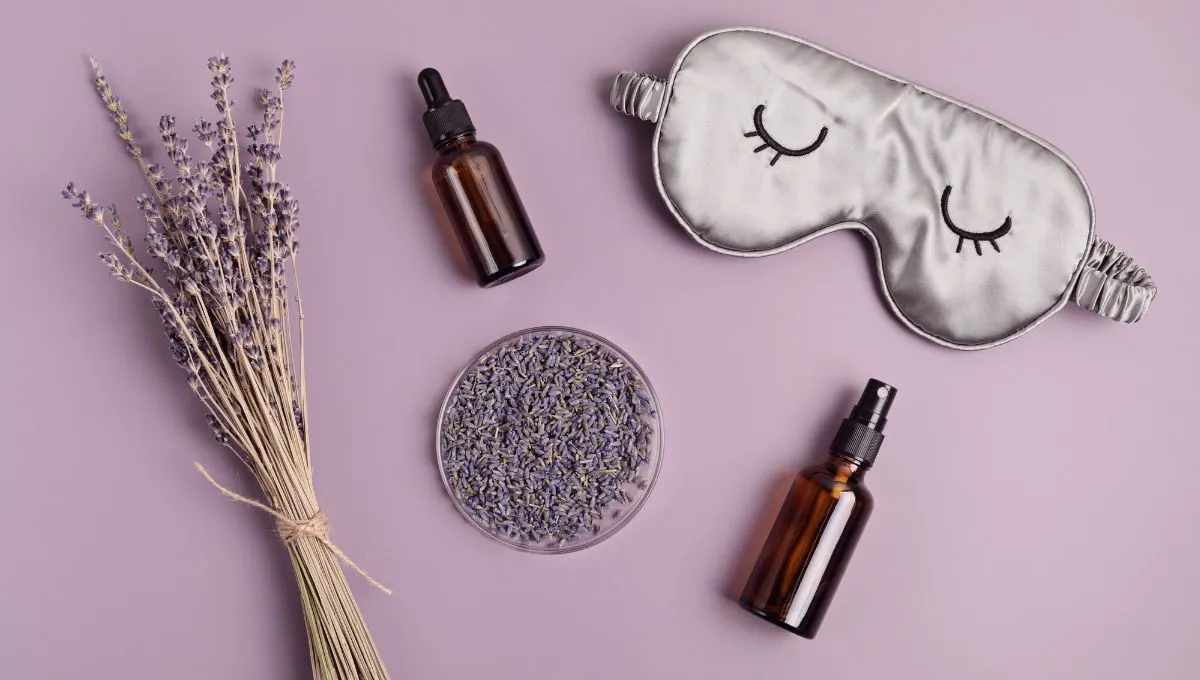
Fights insomnia: Taking a tea infusion or diffusing its aroma before bed helps to fall asleep and promotes deep rest.
-
Analgesic and antiseptic effect: When applied topically in a diluted oil, it helps calm tension headaches, heal minor wounds, and disinfect bites.
-
Digestive and muscular relief: Its antispasmodic properties help ease heavy digestions caused by nerves and relax contracted muscles through massage.
How to activate the “powers” and properties of lavender at home?
To make the most of the therapeutic and mystical virtues of this plant in your daily life, you can put these direct-use recommendations into practice:
-
Inhalation with an aroma diffuser: Place between 4 and 6 drops of pure lavender essential oil in a diffuser to purify the air and create a relaxing atmosphere in the room.
-
Purification smudging: Light a bunch of dried lavender and let the smoke waft through the corners of the house to renew the atmosphere and naturally repel insects.
-
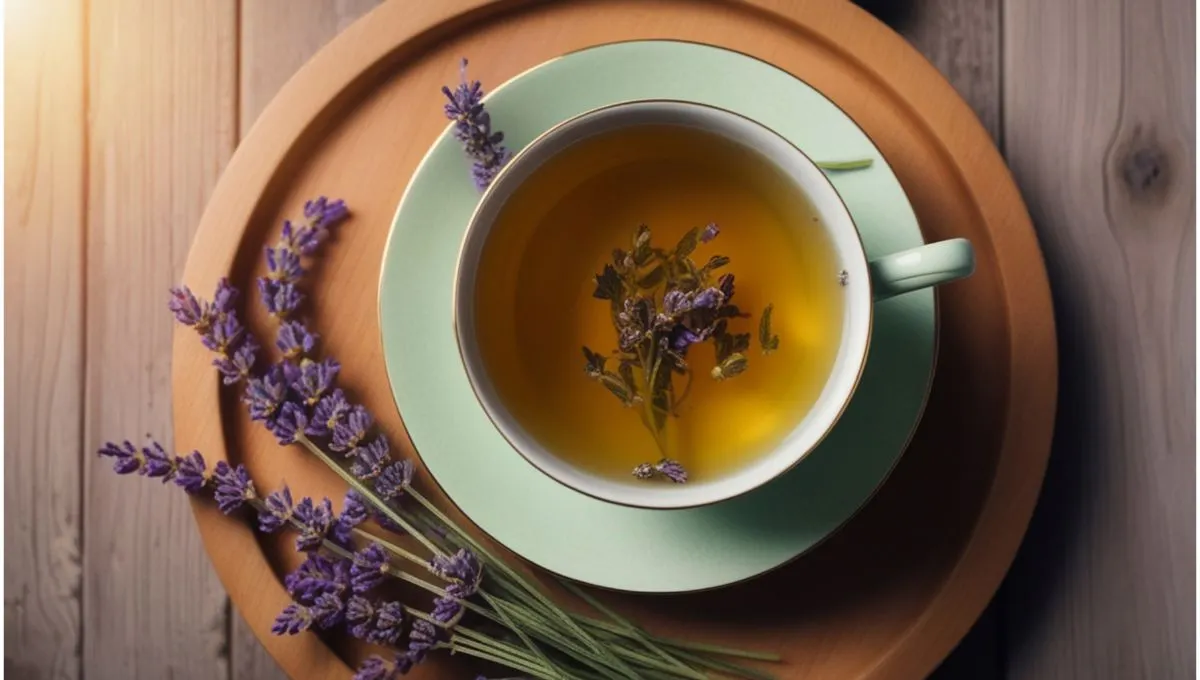
Infusion of dried flowers: Prepare a cup of hot water with a teaspoon of culinary dried lavender flowers to relieve stomach discomfort and calm stress after the day’s routine.
-
Bath of immersion or feet: Add sea salt and a few drops of diluted essence in a bowl of warm water to relieve physical fatigue and reduce muscular heaviness.
-
Aromatic sachets for rest: Place small fabric bags with dried flowers under the pillow or inside wardrobes to keep freshness and ensure a restful sleep.
