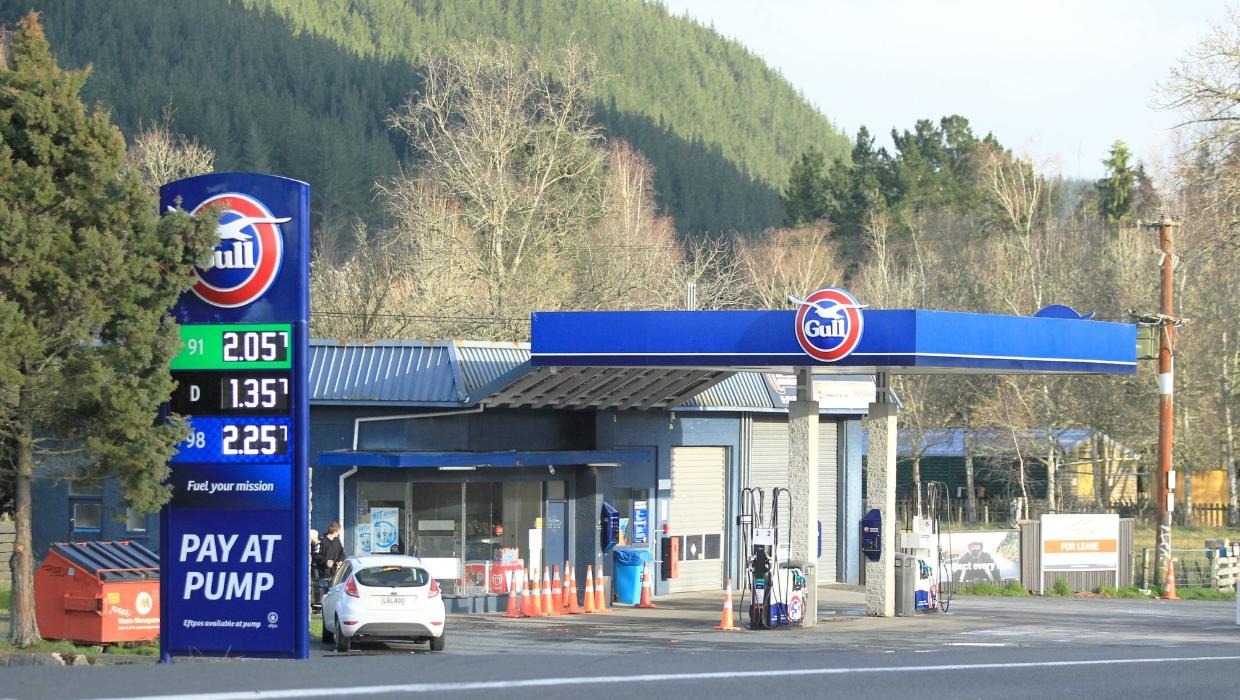
Across New Zealand, drivers are watching pump prices climb, yet one small Southland town is quietly undercutting central Auckland by 62 cents a litre. The gap isn’t a glitch, nor a limited-time promotion; it’s a pricing reality locals have seen for months. And if current settings hold, it may not change soon.
The town that’s beating the pump
Welcome to Mataura, a frost-bitten Southland settlement with big paddocks and a tiny population of just over 1,500. Lately, it has earned a different reputation: the cheapest petrol in the country. On the same day central Auckland posted about $2.87 for Unleaded 91, Mataura showed roughly $2.25, a 62-cent difference that adds up to about $37 on a 60-litre fill.
“We fill up here, then drive to Invercargill and back and still save money,” says Liam, a local courier driver. The station’s board rarely budges, even when national averages are shaking up.
“It’s been like this for a while, but now more people are noticing.”
What’s behind the price gap?
The causes aren’t simple, but several clear factors stack up.
- No regional fuel tax: Unlike Auckland, Mataura avoids the 11.5c/L levy introduced in 2018.
- Lower local overheads: An independently run forecourt with minimal staffing and no glossy supermarket keeps costs lean.
- Efficient fuel transport: Bulk deliveries via nearby Bluff are more direct and less congested than inner-city supply lines.
- A deliberate pricing strategy: With no cluster of corporate rivals, the station can hold a sharper baseline to build repeat volume.
Put together, these inputs create an everyday discount that feels almost anachronistic in a high-cost fuel market. The absence of big-brand amenities also means fewer frills—and fewer built-in margins.
Why you don’t hear about it
Places like this don’t run splashy campaigns, nor pump out loyalty-app alerts. The savings are real, but the silence is intentional. Many locals prefer fewer out-of-town queues, less through-traffic, and a normal day at the pump.
“We don’t want a line of campervans down the main street,” one resident says. For drivers in the know, the deal feels almost like a neighborhood secret. For everyone else, it’s just one more dot on the map you roll past.
The role of taxes and timing
Fuel prices are a cocktail of global oil dynamics, domestic taxes, and local station economics. Auckland’s regional levy was designed to fund specific projects, but it widens city-rural price disparities. When crude prices rise, taxes amplify the absolute gap by stacking on top of a costlier base.
In contrast, a lean, independent operator can resist whiplash by smoothing margins over time. That’s why Mataura can appear oddly stable while national averages look jumpy. Stability attracts loyalty, which stabilizes prices in a reinforcing loop.
Will the bargain endure?
Possibly—but no promise is forever in fuel retail. As EV uptake grows in urban centres, city forecourts may lean on higher per-litre margins to offset declining volume. Smaller towns might hold pricing lower to keep a healthy flow of combustion-engine customers.
Policy changes could also shift the landscape. A reshaped tax regime, altered freight charges, or tighter regulations on retail pricing would quickly ripple through Mataura’s tidy equation. Still, while the structure stands as it is, this quiet discount can hang on longer than many would expect.
What drivers can take away
If you’re travelling the lower South Island, a plain, no-frills forecourt may be worth a small detour. You won’t find a barista cart, shiny signage, or stacks of discounted snacks. You might, however, find a price that treats your weekly budget with rare kindness.
Two practical notes stand out. First, carry a little cash or multiple cards, as some rural terminals can be temperamental. Second, plan your route with a cushion; the point isn’t to burn savings on extra kms, but to benefit where it fits your existing drive.
The broader picture
The Mataura story is a window into how local economics, tax policy, and logistics shape what you pay at the pump. It shows that “cheap fuel” isn’t always about flashy promotions, but about quiet, durable structures. It also shows why blanket assumptions about “city versus country” price behavior can miss the finer details.
For now, this tidy edge-of-the-map town is proving that not all litres are priced equally. And for drivers who find themselves rolling down Southland’s wide roads, the savings are as real as the frost on a clear morning.
