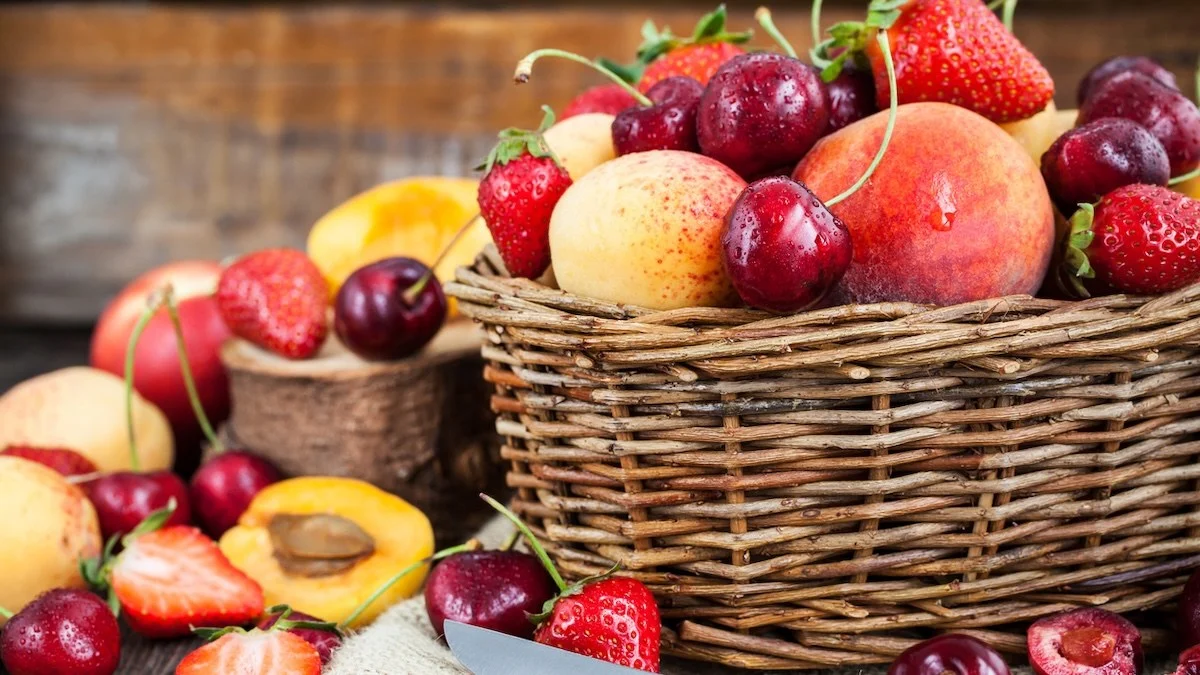
A spotted banana, mushy strawberries, apricots that sag? If your first reflex is often to toss them in the trash or even turn them into compote, today we prove to you that there are plenty of other alternatives. Because an overly ripe fruit isn’t a doomed fruit; on the contrary! It is a fruit that has gained sweetness and tenderness and becomes even easier to work with in certain recipes. These five ideas can give them a second life, without routine or waste.
Why an overripe fruit isn’t a problem
When a fruit ripens too quickly (or when you forget to eat it), its fibers soften and its sugars naturally concentrate. Result? It blends effortlessly, requires less added sugar, and releases more juice during cooking. Its softer texture also makes it easier to digest for certain raw preparations, such as smoothies and mousses.
What looks like an aesthetic defect is actually a real technical advantage for those who know how to use it. After all, in many family kitchens, people deliberately prefer fruits that are a bit too ripe for certain recipes, precisely because they yield better results than a firm fruit.
Homemade ice creams without an ice cream maker
Cut into chunks and frozen a few hours before blending, overly ripe fruits transform into smooth, creamy ice cream in record time, without any special equipment or an ice cream maker. Bananas remain the champion of this technique thanks to their naturally incredibly creamy texture, but berries work just as well for a tangier version.
If you want to vary the pleasures, you can blend several fruits together: banana and berries for a pink ice cream, mango and passion fruit for a more exotic version. It’s a waste-reducing trick particularly useful in summer when fruits ripen faster than you can eat them.
Moist cakes and fudgy cakes
An overly ripe fruit naturally brings moisture and sweetness to a cake batter, which often allows you to noticeably reduce the amount of sugar specified in the recipe. It’s the very principle behind banana bread, a classic, but the logic applies just as well with apples, pears, apricots, strawberries, or peaches.
The only rule to always apply in this case is to remove the parts that are overly damaged, blackened, or fermented before incorporating the fruit into the mixture, so you keep only the flesh that is still “sound.” Once baked, the fruits literally melt into the batter and perfume the entire cake.
Refreshing and tasty drinks
Ripe fruits are perfect for thick, blended drinks, without needing to add sugar or ice to thicken the texture. A very ripe banana, tired strawberries, or a piece of mango that is a bit too soft will be enough to obtain a creamy consistency in seconds with a blender.
Here are a few combinations to try with the fruits you have: a mashed banana with oat milk and cocoa powder for a comforting version, a ripe peach with lemon and sparkling water for a fizzy and light drink, mango with ginger and orange juice for a vitamin-packed morning shot, or strawberries with basil and a drizzle of honey for a more original twist.
All these drinks take less than 5 minutes to prepare and store easily for a day in the refrigerator. Perfect for a rushed breakfast, a refreshing break, or a convivial aperitif—go ahead and try these fruity, anti-waste recipes!
Express jams and homemade coulis
The last option, too often overlooked, is quick jam or fruit coulis. A few very ripe fruits, a little sugar, and a splash of lemon juice are enough to obtain, in under 20 minutes of cooking, a very fruity express jam to accompany yogurt, pancakes, a cake, or a frozen dessert.
This method also allows you to preserve fruits longer that would otherwise end up in the trash. It works with all fruits and can be adapted to tastes and seasons by combining several fruits or by adding spices of your choice. And it’s a refreshing alternative to compote!
