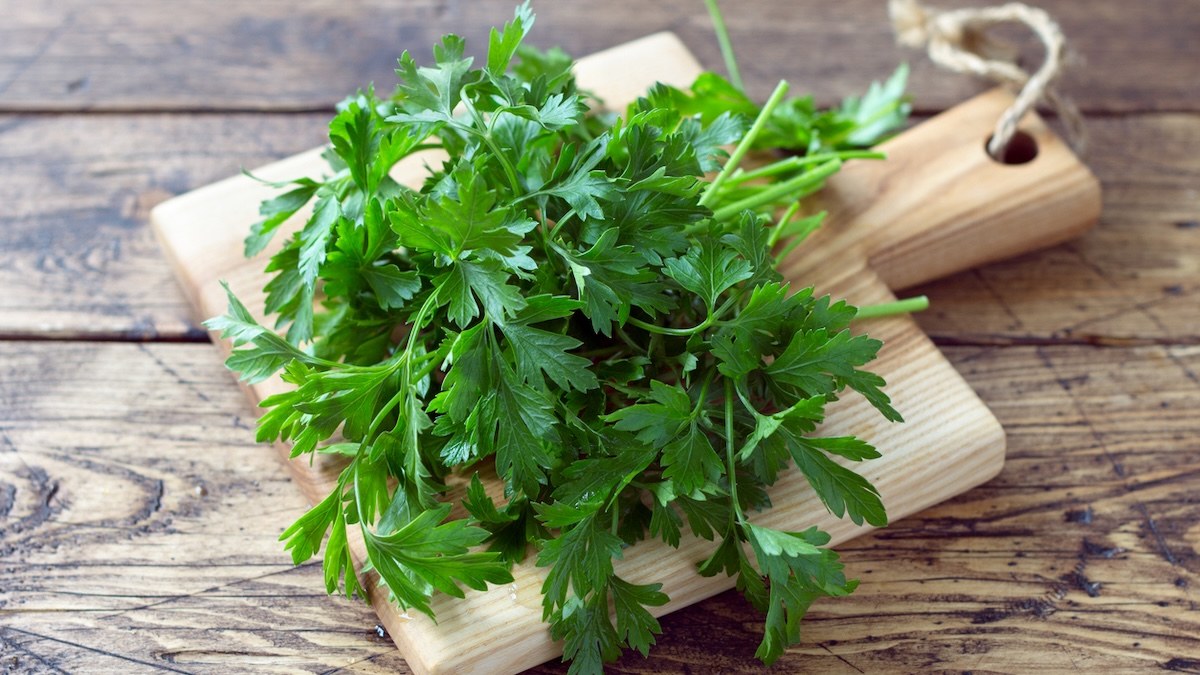
Completely black basil after two days, chives turning soft before they’ve even been used, parsley yellowing the day after the market… Aromatic herbs are the prime victims of the fridge. And yet, professionals who work with large volumes cannot afford this waste. So how do they do it? They have simply developed a few small, highly effective preservation methods that are easy to replicate at home. We’re sharing all their tricks with you!
Why do aromatic herbs go black so quickly?
Before changing preservation methods, you should still try to understand what is really happening. Fresh herbs are living plants that continue to breathe after harvest. Once they are cut, two mechanisms come into play.
The first is dehydration. Deprived of their water source, the leaves lose their turgor and become soft. The second is oxidation: the cells damaged during cutting release enzymes that react with the air and produce those brown pigments that begin to appear after a few days. Refrigerator cold can sometimes accelerate this phenomenon, especially for so-called “tropical” herbs (like basil) that are particularly sensitive to low temperatures.
Read also: Why more and more people eat eggs in the evening to sleep better
The golden rule: distinguish tender herbs from robust herbs
Not all herbs preserve the same way. So, like professionals, you must immediately make the distinction to preserve them best. They are divided into two major families :
– Tender herbs, such as basil, cilantro, flat-leaf parsley, chervil, or tarragon have delicate stems and leaves. They hate intense cold and stagnant humidity.
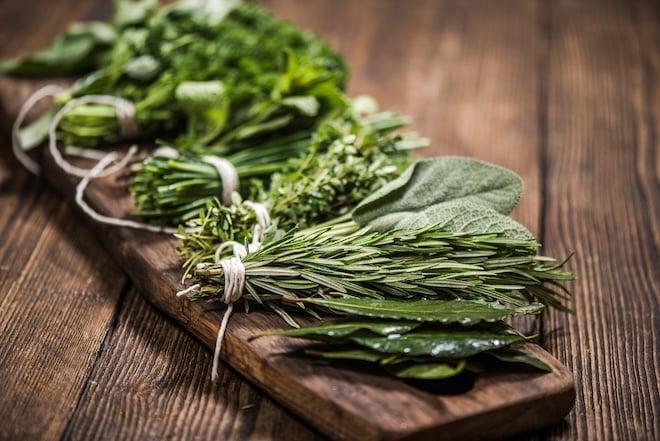
– Robust herbs, such as thyme, rosemary, oregano, sage, or bay laurel, tolerate temperature variations better and dry out more slowly without losing their aroma.
After making this distinction, you can therefore adapt the storage method for your favorite herbs.
How to preserve tender herbs: the bouquet-in-water technique
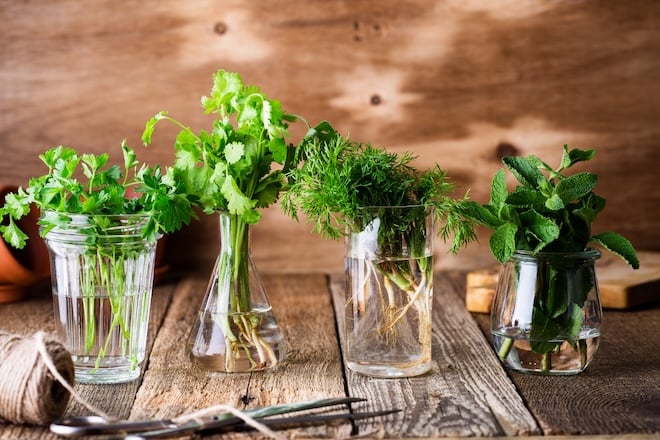
For parsley, cilantro, or chives, the catering method resembles what is used for cut flowers. First rinse the herbs gently under cold water, then dry them carefully by patting with paper towels. Do not rub them, or you risk damaging the leaves and the cells! Then group them into a small bouquet and place them in a glass or jar with two centimeters of cold water at the bottom, the stems submerged. Cover the leaves with a plastic bag or lightly adjusted plastic wrap so as not to suffocate them and store everything in the refrigerator in the area that is the least cold.
Don’t forget to change the water every two to three days! Result? Your parsley, cilantro, and chives will stay impeccably fresh for two to three weeks.
Note the exception : basil. This Mediterranean herb suffers below 10°C and turns black even faster in the fridge. Store it at room temperature, in a bouquet in a glass of water, away from drafts. It will hold up more easily that way.
Rolling up in a damp towel: the trick to preserving robust herbs
For thyme, rosemary, or sage, the method is different. These herbs do not need water once cut; they rather need a slightly damp and airy environment.
Spread the stems on a clean, slightly moistened towel, then roll it up without squeezing. Slide this roll into a storage bag or an airtight box and place everything in the refrigerator. The moisture of the fabric slows drying without creating excess water that promotes mold. Your robust herbs will then keep for about three weeks without losing their color or aromatic scent!
The caterers’ bonus tip: freezing herbs in oil ice cubes
When quantities are too large to be used quickly, professionals obviously won’t throw them away. They will freeze them. This oil-cube technique is incredibly easy to redo and simply brilliant.
Start by finely chopping your herbs, then place them in the ice-cube tray cavities to two-thirds full. Top up with olive oil and place in the freezer. You’ll only have to unmold them once frozen.
You will obtain ready-to-use portions, directly ready to use in a hot pan to sauté vegetables or to add to a sauce. The aroma of the herbs is fully preserved and it’s a hyper-practical storage method. Herb ice cubes can easily be stored for almost three months (before they begin to lose their aromas).
Which method for which herb? A recap
Preserving aromatic herbs is ultimately about knowing the product. So here’s a recap: tender herbs in a glass of water in the fridge, basil at room temperature, robust herbs rolled in a damp towel. For the rest, chop and freeze in ice cubes with olive oil.
These four very simple steps to apply will extend the life of your herbs from 48 hours to several weeks, enough to definitively end the waste of a parsley or chives bouquet bought for a recipe and tossed after three days.
