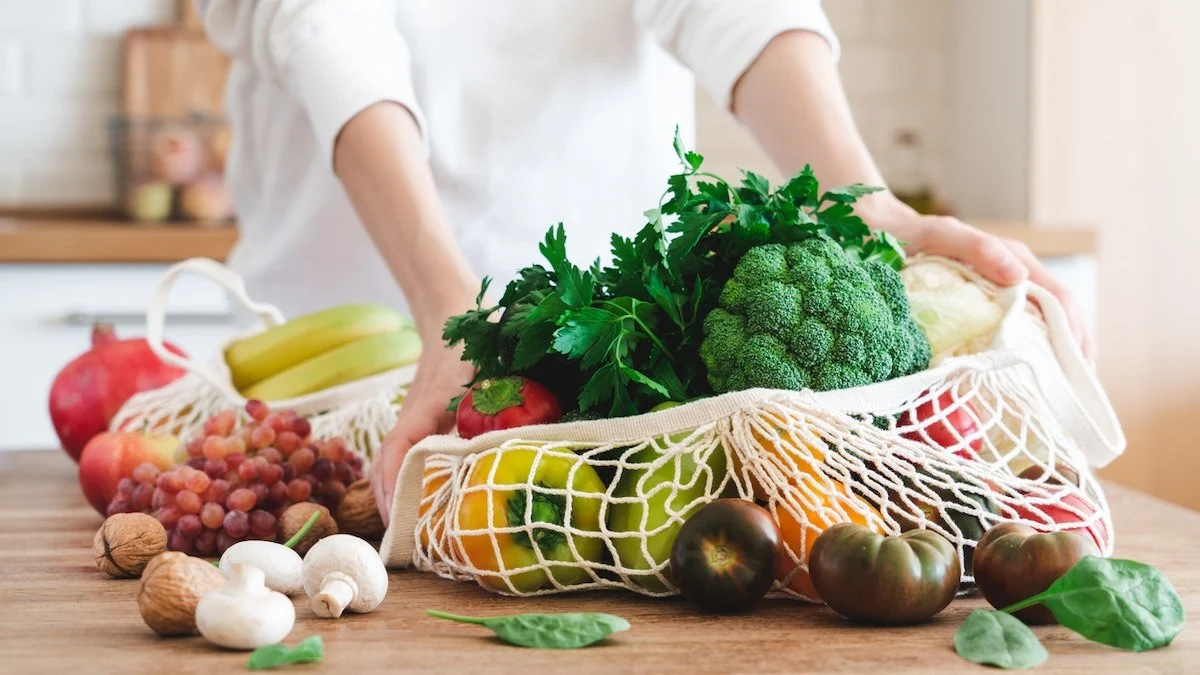
We’ve all done it at least once: spotting a stain on an apple or a soft spot on a tomato, cutting off the damaged piece… and eating the rest without a second thought. A gesture that seems harmless, almost ecological because it fights waste, but that several specialists strongly discourage. On TF1’s morning show, Dr. Vincent Valinducq warns us about this: “I do not recommend it; I urge you to stop“. The reason: invisible toxins that are not limited to the visibly spoiled part of the fruit.
The real danger isn’t where you see it
According to toxicologists and this doctor, the mold we glimpse on the surface is only the tip of the iceberg. Once a microscopic fungus settles on a fruit or vegetable, it can produce mycotoxins, substances completely invisible, colorless and odorless that spread inside the food through a network that cannot be seen with the naked eye.
And even if you remove the rotten part, this does not guarantee that the rest of the fruit or vegetable is healthy. Worse, these toxins can withstand cooking! Cooking it for a long time does not destroy the risk.
Different toxins depending on the foods
Experts distinguish several types of mycotoxins depending on the products involved. Here are a few examples:
– Apples, pears, grapes: risk of patulin, which can cause intestinal disturbances and, at high doses, kidney toxicity.
– Dried fruits and figs: possible presence of aflatoxin, associated with digestive troubles and a liver risk in case of repeated exposure.
– Strawberries, tomatoes and high-water-content fruits: contamination spreads especially quickly throughout the flesh, even if only one area seems touched initially.
“We can also have allergic reactions and, in much rarer cases, neurological symptoms“, warns Dr. Vincent Valinducq. Beyond toxins, a spoiled food can also harbor well-known pathogenic bacteria such as Salmonella or E. coli, capable of causing classic foodborne illnesses. Some profiles are more at risk of developing these various symptoms, notably the “people with immune deficiencies, pregnant women, young children, infants or the elderly“.
The mistake you must never make again
The reflex “cut and keep the rest” starts from a good intention at first to avoid waste. But doctors are fairly unanimous on this point: as soon as a fruit or vegetable shows mold or a clearly rotten part, it is better to throw it away than to try to save it.
“When a fruit is soft—for example, a raspberry, a strawberry, a blackberry that is moldy—we throw the fruit away. There, we don’t even try to cut, to salvage; we throw it away. Then, when it is a fruit or a vegetable that is rather firm, in that case, we can trim the mold a bit. You cut leaving a margin of 2.5 cm. You throw that away and the rest, you can consume,” explains Vincent Valinducq on TF1.
Also keep these two exceptions in mind:
– A fruit simply damaged (dented skin, small superficial bruise) is not concerned: it’s an aesthetic defect without danger.
– Some molds are deliberately used in food, such as Penicillium roqueforti in Roquefort, and have nothing to do with accidental contamination.
How to minimize risks in daily life
To avoid getting there, a few simple reflexes are enough. First, storing fruits and vegetables in the refrigerator as soon as possible helps slow their deterioration. If you see a damaged fruit in your basket, remove it immediately so that it does not contaminate the others. Finally, avoid placing bananas, apples and avocados in contact with your other fruits and vegetables because they tend to speed up their ripening.
As you’ve understood, removing the rotten part of a fruit or vegetable is not enough to eliminate the danger. The mycotoxins it may contain are invisible, resist cooking and spread well beyond the damaged area. The only truly safe reflex remains to discard the affected food as soon as mold or rot appears. A small sacrifice to avoid a health risk according to several doctors.
