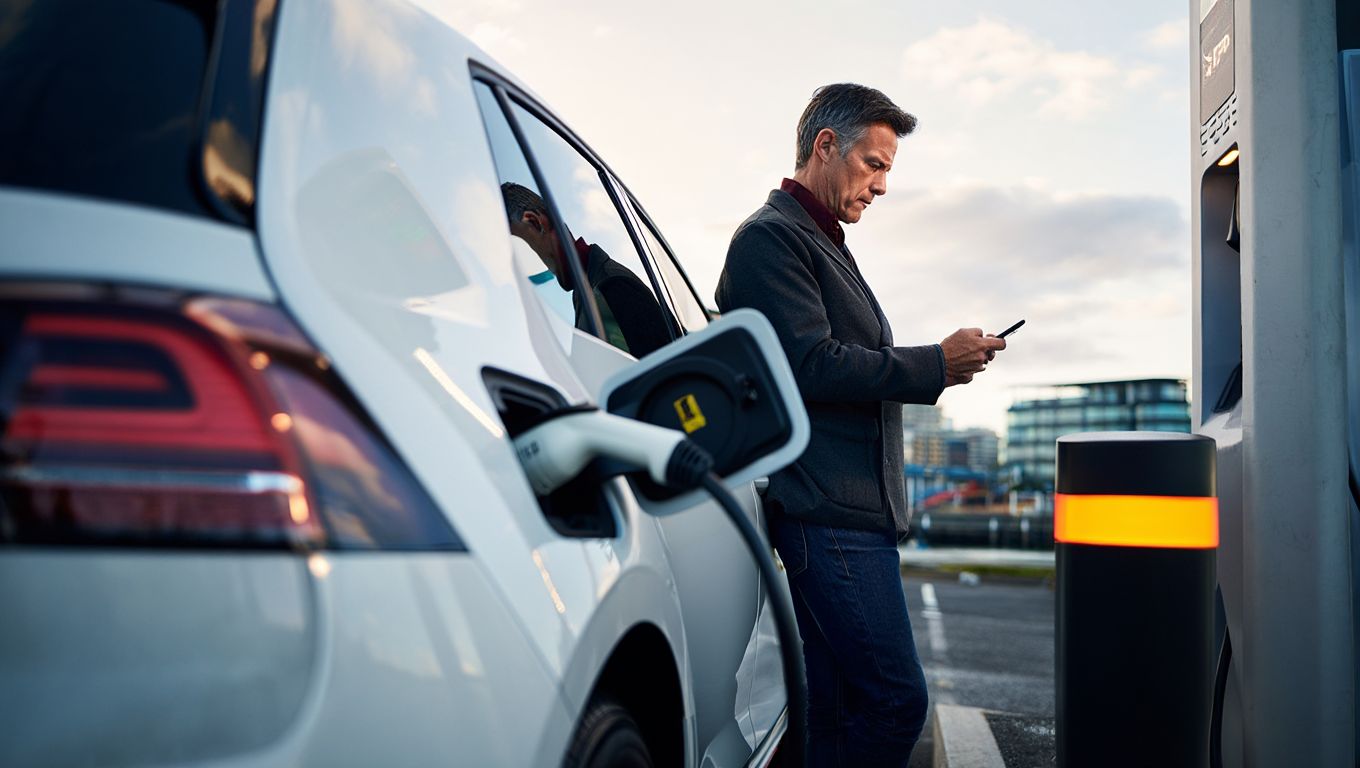
Aucklanders have been feeling it at the pump. Commutes that used to be an afterthought now show up as a line item, and weekend trips out of the city demand a quick mental calculation. That’s why the EV question keeps coming up in kitchens and office carparks: would swapping petrol for electrons actually move the needle?
Short answer: yes. For many drivers in the city, careful charging habits and typical daily distances mean a switch can carve well over NZ$2,000 from annual running costs—often without changing how or where you drive.
What really drives the savings
Electric motors use energy far more efficiently than internal combustion engines, turning a larger share of input energy into forward motion. That’s the physics. The money part shows up because New Zealand electricity—especially off‑peak—is cheaper per kilometre than petrol, even after factoring in the Road User Charges (RUC) that light EVs now pay.
Maintenance tilts the table further. EVs skip oil changes, have fewer moving parts, and benefit from regenerative braking that reduces pad wear. “In our workshop, the difference is obvious,” notes one central Auckland mechanic. “Most EVs come in for tyres and cabin filters. That’s about it.”
Policy matters, too. With RUC now applying to EVs, the gap narrows—but doesn’t close—particularly if you can charge at home overnight, at work, or via solar. Petrol price spikes widen the gap again.
The numbers, side by side
Below is a realistic, city-leaning comparison using assumptions that reflect typical Auckland use. Your mileage will vary—but not by much if your habits look similar.
Assumptions:
- Annual distance: 15,000 km (a common Auckland figure)
- Petrol: 8.8 L/100 km (compact SUV class), NZ$3.00/L average
- EV: 17.5 kWh/100 km; blended electricity price ~NZ$0.32/kWh (mostly home, some public)
- RUC for light EVs: NZ$0.076 per km
- Maintenance: indicative averages
| Item | Petrol car (Auckland) | Battery EV (baseline) |
|---|---|---|
| Annual distance (km) | 15,000 | 15,000 |
| Efficiency | 8.8 L/100 km | 17.5 kWh/100 km |
| Energy used | 1,320 L | 2,625 kWh |
| Price assumption | NZ$3.00/L | NZ$0.32/kWh |
| Energy cost | NZ$3,960 | NZ$840 |
| Road User Charges | — | NZ$1,140 |
| Maintenance/servicing | NZ$500 | NZ$220 |
| Total running cost | NZ$4,460 | NZ$2,200 |
| Annual saving vs petrol | — | NZ$2,260 |
If you lean into cheaper off‑peak power (or snag free workplace charging), the gap widens further. “We switched to a night plan and set the car to charge after midnight,” says Priya N., a West Auckland commuter. “It felt like giving myself a pay rise. My monthly energy spend went from around NZ$330 to roughly NZ$120.”
Real-world voices
A South Auckland fleet manager who recently electrified a third of his pool cars puts it bluntly: “Fuel volatility almost disappeared from our budget. Downtime dropped, and brake wear fell off a cliff. On a per‑car basis, we’re saving well north of two grand annually—and that’s before we talk about CO₂.”
Not every kilometre is equal, of course. A heavy right foot, frequent fast charging, or a long highway commute in winter will push consumption up. So can exclusively using public rapid chargers. But the opposite is true as well: smart charging turns a good saving into a great one.
How to maximise your advantage
- Charge off‑peak at home, set a schedule, and use the car’s charge‑limit setting to keep the battery happy.
- Compare electricity plans; EV‑friendly tariffs or bundled discounts can shave cents per kWh.
- Use free or low‑cost workplace charging when available, and top up opportunistically while shopping.
- Keep tyres correctly inflated; it helps range and safety.
- Plan longer trips with a charging app to avoid pricier last‑minute fast charges.
What about the upfront cost?
Purchase price still gives many shoppers pause. New EVs often carry a premium, though that’s easing as more models arrive. The used market—particularly ex‑leases and earlier‑gen imports—helps bridge the gap. Spread over several years, lower running costs can neutralise much of the upfront difference, especially if you drive 12,000–18,000 km annually.
Dealers also report stronger residuals for popular EVs, and banks increasingly weigh total cost of ownership in lending discussions. “When we model whole‑of‑life costs, the spreadsheet usually favours the EV,” says a North Shore finance broker. “It’s the operating expenses that swing it.”
Beyond the balance sheet
There’s also the quieter cabin on the Northwestern, instant torque in city traffic, and the simple chore‑free routine of plugging in at home. And while today’s RUC regime makes the maths more honest, the climate maths still favours EVs on New Zealand’s largely renewable grid.
If your driving looks like most Aucklanders’—moderate daily distances, regular home charging, a few road trips—an EV doesn’t just feel modern. It feels financially sensible. Run your own numbers with your electricity rate and commute. Odds are you’ll find more than NZ$2,000 waiting to be saved each year, and possibly a good bit more.
