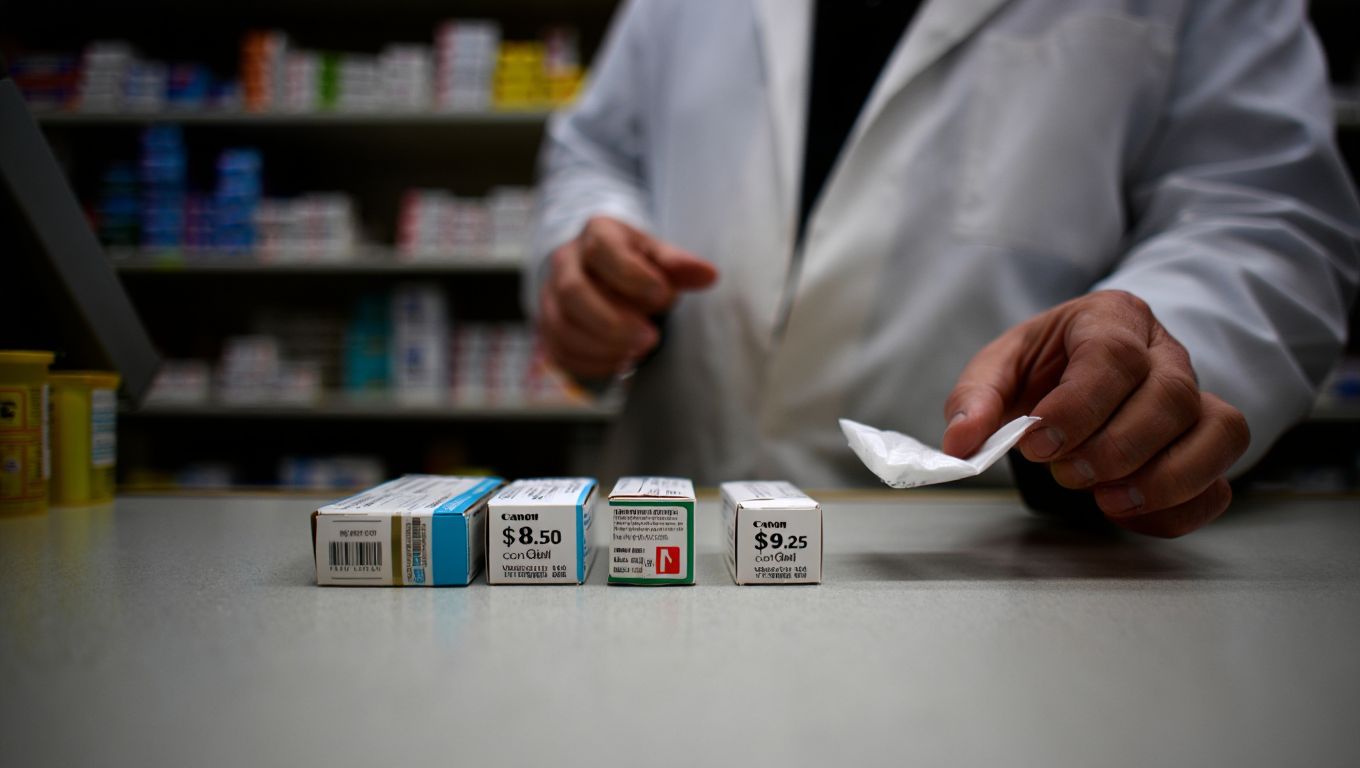
New Zealanders are starting to feel a tangible drop in pharmacy costs, with a cluster of everyday medicines now coming in at less than 10 dollars at the counter. The updated pharmaceutical scheme aims to trim co-pays, smooth out regional differences, and make repeat scripts easier on the wallet. For households juggling groceries, fuel, and rent, shaving a few dollars off the medicine bill is more than a line item. “It’s one less thing to stress about.”
What changed—and why it matters
The government’s refreshed approach blends broader subsidies with a simpler co-payment structure. In plain terms: more commonly used medicines are now priced so that, when prescribed and dispensed under the scheme, the out-of-pocket cost can land under $10 for eligible people.
The policy logic is straightforward. Lowering minor barriers tends to improve adherence, especially for chronic conditions and seasonal ailments. “If the price is right, people actually pick up their meds.” It’s not just a budget story; it’s a health story.
Five everyday medicines now under $10 (for eligible scripts)
These are not exotic treatments. They’re the workhorses of daily care—used for pain, allergies, stomach acid, lungs, and common infections. Availability and final price still depend on your prescription, pharmacy, and eligibility under the scheme, but many New Zealanders are seeing these ring in below 10 dollars:
- Paracetamol 500 mg (prescribed): For short-term pain or fever when your clinician wants a prescribed supply, this can be cheaper than buying multiple packs over the counter.
- Ibuprofen 200–400 mg (prescribed): For inflammation, sprains, or menstrual pain, a prescribed supply often falls under the pricing cap.
- Loratadine 10 mg (prescribed): A non-drowsy antihistamine for hay fever and hives—helpful as spring blooms or when pets trigger sneezes.
- Omeprazole 20 mg: A go-to for reflux and heartburn, widely prescribed and commonly funded in standard strengths.
- Salbutamol inhaler: The classic “reliever” for asthma and wheeze—critical when you need fast, reliable access.
“Getting my inhaler without doing mental math first? That’s huge.”
A quick comparison at a glance
Prices varied widely before—by pharmacy, region, and whether people were using prescriptions or buying retail packs. Under the updated scheme, the key shift is a lower, more predictable out-of-pocket for eligible prescriptions.
| Medicine | Everyday use | Old typical out-of-pocket | Under new scheme* |
|---|---|---|---|
| Paracetamol 500 mg | Pain, fever | Often above small-change territory | Typically below $10 |
| Ibuprofen | Inflammation, pain | Could creep over the $10 mark | Typically below $10 |
| Loratadine | Allergies, hay fever | Variable; OTC could add up | Typically below $10 (with script) |
| Omeprazole 20 mg | Reflux, heartburn | Inconsistent by pack and brand | Typically below $10 |
| Salbutamol inhaler | Asthma relief | A noticeable hit for some users | Typically below $10 |
*Final price depends on eligibility, prescription details, pharmacy fees, and any add-ons. Always check at your local pharmacy.
Who qualifies—and what to check
Not every medicine, pack size, or formulation is treated the same way. Funding decisions, brand availability, and dispensing fees can shift over time. To avoid surprises:
- Confirm that your prescription is dispensed under the updated funding rules.
- Ask whether a fully funded brand is available for your dose and pack size.
- Check if your personal status (age, community services eligibility, high-use patterns) affects the co-pay.
- If you’re switching from buying over the counter, ask whether a prescribed pack will be cheaper under the scheme.
Pharmacists are used to these questions. “Just ask at the counter—we’ll price it before you commit.”
How pharmacies are responding
Community pharmacies are on the front line of these changes. Many report fewer abandoned scripts and more patients picking up full quantities. That means better symptom control, fewer midnight dashes for emergency relief, and less stop-start dosing.
Some rural or after-hours settings may have different service fees, and supply hiccups can influence what’s on the shelf. Still, the direction is clear: simpler, lower out-of-pocket costs for bread-and-butter medicines.
Smart ways to make the most of the change
A little planning goes a long way—especially for families managing multiple conditions.
- Synchronise repeats so you collect multiple medicines in one visit, minimising extra fees and trips.
Consider this a nudge to review your medicine cabinet with your GP or pharmacist. Paracetamol you’ve been buying at the supermarket might be cheaper on a script. Your reflux medicine could be more affordable if your dose is aligned to a funded brand. Allergy season? Loratadine under the scheme can beat piecemeal retail buys over a few months.
“Small savings add up fast when you’re filling three or four items at once.”
Bottom line
For many Kiwis, five of the most common, no-fuss medicines now sit under the $10 threshold when prescribed and dispensed within the new settings. That’s real relief in real time—less hesitation at the till and more focus on getting well.
Before you head in, snap a photo of your repeat list, ask which funded brands unlock the best price, and confirm any eligibility twists. Your pharmacist will do the math—and your budget will feel the difference.
