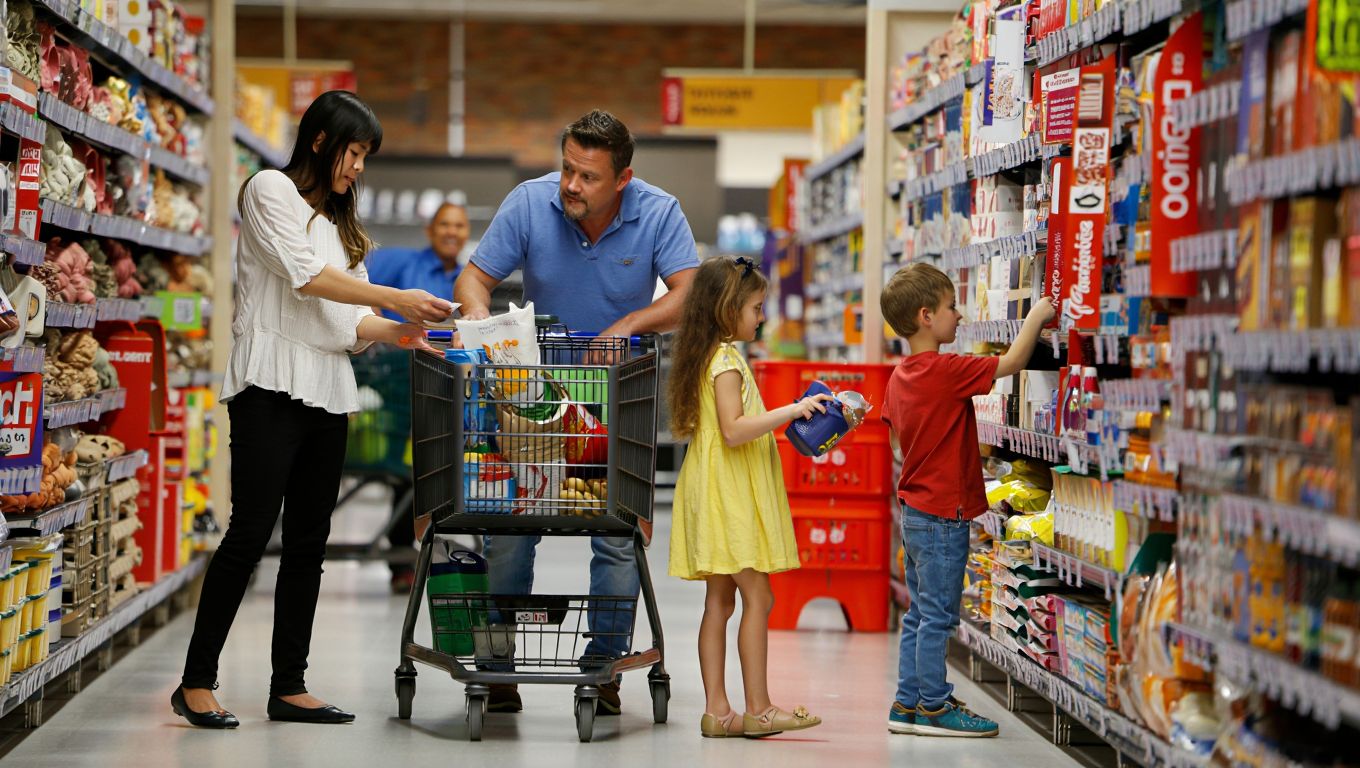
If you think a week of real food for four has to blow the budget, here’s a trolley that proves otherwise. With house-brand staples, in-season produce, and a bit of batch-cooking, one shop lands at NZ$98.70 and covers breakfasts, lunchboxes, and hearty dinners.
“It’s not about deprivation,” says one Pak’nSave regular I met by the bulk bins. “It’s about planning and refusing to pay for air and packaging.”
How we kept the bill so low
Start with staples that stretch: rice, pasta, oats, potatoes. Layer in versatile proteins—eggs, chicken thighs, mince, tuna—and plenty of beans. Choose the store brand, grab the week’s fruit specials, and make frozen veg your friend.
Cook once, eat twice. A pot of mince becomes bolognese night one and stuffed potatoes the next. Roast thighs today, fried rice tomorrow. Leftovers aren’t an afterthought; they’re part of the plan.
A Wellington parent summed it up: “We aim for simple, repeatable meals. Kids don’t mind repeats—they mind stress.”
The NZ$98.70 trolley
Here’s what went in, leaning on Pak’nSave house brands and on-special produce:
Rice (2 kg), pasta (1.5 kg), rolled oats (1.5 kg), canned tomatoes (4), canned beans (3), frozen mixed veg (1 kg), chicken thighs bone‑in (1.2 kg), beef mince (750 g), eggs (12), milk (3 L), bread (2 loaves), cheese (500 g), apples (1.5 kg), bananas (1 kg), carrots (1 kg), onions (1.5 kg), potatoes (2 kg), peanut butter (375 g), tuna (3 tins), tomato paste (1), cooking oil (1 L), curry powder (1).
Total: NZ$98.70. That’s roughly NZ$3.53 per person, per day for a family of four.
What’s not here: premium snacks, specialty condiments, or fancy drinks. You’ve got oil and curry powder for flavour, tomatoes and paste for sauces, onions for depth. If your pantry is truly bare, factor in a couple more dollars for salt and pepper.
Seven dinners you can actually cook
- Sun: Roast chicken thighs with potatoes, carrots, and onions. Save two thighs and pan juices for tomorrow.
- Mon: Chicken fried rice with frozen veg and egg, seasoned with curry powder and a splash of oil.
- Tue: Spaghetti bolognese (mince + tomatoes + onion + carrot). Hold half the sauce for Wed.
- Wed: Baked potatoes stuffed with yesterday’s mince sauce and a little grated cheese.
- Thu: Chickpea and veg curry over rice (curry powder, tomatoes, frozen veg, a tin of beans).
- Fri: Tuna, tomato, and onion pasta with a dab of tomato paste and cheese on top.
- Sat: Omelette night—onion, potato, a handful of mixed veg, cheese. Toast on the side.
Breakfasts are oats with banana or toast with peanut butter. Lunches rotate sandwiches (egg, cheese, or tuna), apple or carrot sticks, and leftover portions from dinner. It’s unfussy and it works.
How it stacks up
A quick comparison shows where the money goes when you trade time for convenience or extra meat. These are indicative snapshots; prices vary by region and specials.
| Scenario | Weekly total (NZD) | Per person per day | Notes |
|---|---|---|---|
| From-scratch basket (this one) | 98.70 | 3.53 | House brands, beans, in-season produce |
| Convenience-leaning basket | 152.20 | 5.43 | Premade meals, branded snacks, less bulk buy |
| Meat-heavy version | 128.40 | 4.59 | More meat, fewer legumes and frozen vegetables |
Two levers move the needle most: processed convenience and protein choices. Swapping one meat dinner for a bean-based dish typically frees $4–$6 in a single week.
Stretching every ingredient
The trick isn’t clever recipes; it’s clever sequencing. Roast thighs on Sunday so Monday’s fried rice borrows flavour from the pan juices. Simmer a double batch of mince so you’re not paying extra energy or time on Wednesday. Save cheese for topping and melting—intense flavour, lighter usage.
Oats do heavy lifting. A 1.5 kg bag covers a week of breakfasts and bakes into simple lunchbox slices when mixed with mashed banana. The same logic applies to rice: dinner starch one night, fried-rice base the next.
Use onions and tomato paste like flavour amplifiers. A spoon of paste and a slow-cooked onion can rescue any “too-thin” sauce.
Smart swaps if the shelves are bare
If thighs are out, grab drumsticks. If mince is pricey, add an extra can of beans and bulk the sauce with grated carrot and onion. Frozen veg is a price anchor; if the freezer section is low, pick the cheapest fresh green and slice it fine so it cooks fast.
Feeling flat about repetition? Change the shape, not the ingredients. Spiral pasta instead of spaghetti, potato wedges instead of cubes, rice bowls one night and stuffed pitas the next. Food feels “new” without new spending.
Voices from the aisles
“Bulk where it counts, small where it doesn’t,” says another shopper, pointing at a 2 kg rice sack and a modest block of cheese. “We’re not giving up flavour—just waste.”
And a final nudge from a budget coach who runs community cook-ups: “Write the menu on the fridge. When 6 p.m. hits, you need a decision you already made.”
This isn’t a stunt; it’s a rhythm. A calm, repeatable weekly rhythm that keeps the food real, the numbers tidy, and the table full.
