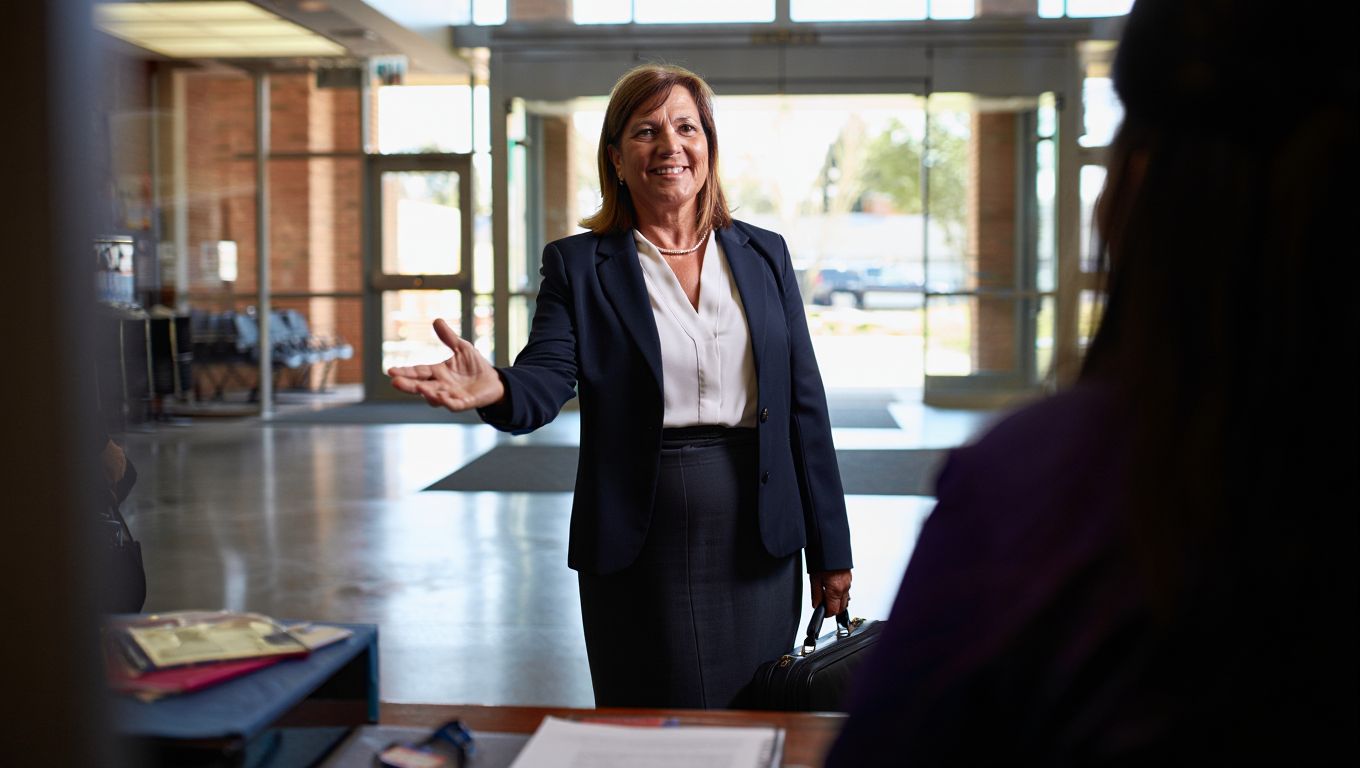
The corridors were already buzzing before the first bell. News of a fresh appointment at the city’s largest secondary school had moved faster than the morning roll, stirring equal parts curiosity and relief. After a year of interim arrangements, a permanent leader is stepping in with a clear promise: to lift learning, strengthen relationships, and make every student feel seen.
“It’s not about quick wins,” the appointee said in a short address to staff. “It’s about building a culture where excellence and care walk side by side.” In a school of this scale, rhetoric isn’t enough. The test will be whether those words land in classrooms, on sports fields, and in whānau meetings by the end of term.
A leader with a steady compass
The new principal arrives with two decades of experience in public education and a track record for turning data into action. Colleagues describe a calm communicator who makes room for dissent and invites evidence to the table.
“I’m here to listen first,” the principal noted. “Not to impose, but to co-design with our students, staff, and families.” That stance has already won cautious support from senior students who want more agency in shaping their learning pathways.
What’s changing — and why it matters
Early briefings point to three pillars: equity, attendance, and wellbeing. The aim is not a flashy overhaul, but a disciplined refresh of systems that drifted during pandemic-era disruptions. Expect tighter follow-up on unexplained absences, clearer assessment calendars, and more consistent pastoral care.
| Area | Previous era | Incoming era | What it means for students |
|---|---|---|---|
| Teaching practice | Variable by department | Shared instructional model | More predictable lessons, clearer feedback |
| Assessment timelines | Packed at end of term | Staggered checkpoints | Fewer crunch weeks, better stress management |
| Attendance follow-up | Reactive | Proactive and daily | Faster support for barriers to showing up |
| Student voice | Consulted occasionally | Built into decision cycles | Real input on timetable tweaks and course design |
| Community partnerships | Ad hoc | Strategic MOUs with local orgs | More internships, mentoring, and guest experts |
“We’re aligning the machine so teachers can teach,” said a department head after the staff briefing. “Small, consistent changes beat big, unsustainable ones.”
Listening to the people who matter most
Students have been candid about what’s working—and what isn’t. One Year 12 student put it plainly: “We want strong standards, but also space to catch our breath. If the school gets the pacing right, we’ll rise to it.” A parent added, “Communication is everything. A weekly snapshot beats a termly surprise.”
To that end, the principal has signalled a shift toward transparent communication: concise dashboards for attendance and achievement, student-led forums each half-term, and a commitment to publish follow-up actions after consultations. This isn’t just optics. When large schools get clearer, they get fairer.
The heart of the strategy: relationships
Underneath the spreadsheets is a simple thesis: learning moves at the speed of trust. That means visible leadership at interval and lunchtime, consistent expectations across classrooms, and pastoral teams that don’t just react to crises but anticipate them.
“It’s about setting a high bar and then building the ladder so everyone can reach it,” the principal said. “We’ll name gaps, not students. We’ll focus on progress, not perfect scores.”
Teachers say they’re ready. “Give us time to plan together, keep the initiatives coherent, and let us see the impact,” said Ms. Patel, an English teacher. “That’s the recipe.”
Measurable steps in the first 100 days
The school board has endorsed a phased plan. Rather than a grand reveal, expect a steady drumbeat of practical moves that students will feel quickly:
- Rebalanced assessment calendars, with early-term checkpoints and mid-term relief windows
A fuller list, including departmental collaboration time and targeted attendance outreach, will roll out in weekly staff notices and whānau newsletters. The message: fewer initiatives, better executed.
A city school with regional reach
This campus doesn’t just serve its immediate neighbourhood. Sports codes, cultural groups, and specialist programs draw families from across the region. That reach amplifies the stakes. If the school lifts, the ripple spreads.
Local partners—tertiary providers, employers, and community groups—have already been tapped. Expect more internships, micro-credentials, and guest speakers who turn abstract curriculum into authentic tasks. Done well, this can narrow the gap between classroom and career.
Guardrails against initiative fatigue
The principal’s team is keenly aware of “pilot-itis,” the endless churn of short-lived projects. Guardrails are in place: every initiative must have a clear owner, baseline data, a midpoint review, and a sunset date unless impact is proven. Teachers will see fewer meetings, tighter agendas, and shared planning templates that cut duplication.
“Coherence is a kindness,” the principal remarked. “If we’re asking for effort, we will remove friction.”
What success looks like by year’s end
No fireworks, just cleaner lines: improved attendance, calmer corridors, sharper feedback in books and online platforms, and student voice that shapes—not just shadows—decisions. Families should notice steadier updates and fewer surprises. Staff should feel that professional development is connected to what happens at 9:05 on a Tuesday.
Schools change in the details first. If the new leadership keeps promises bite-sized and public, momentum will follow. The buzz in the corridors might just settle into something sturdier: confidence.
