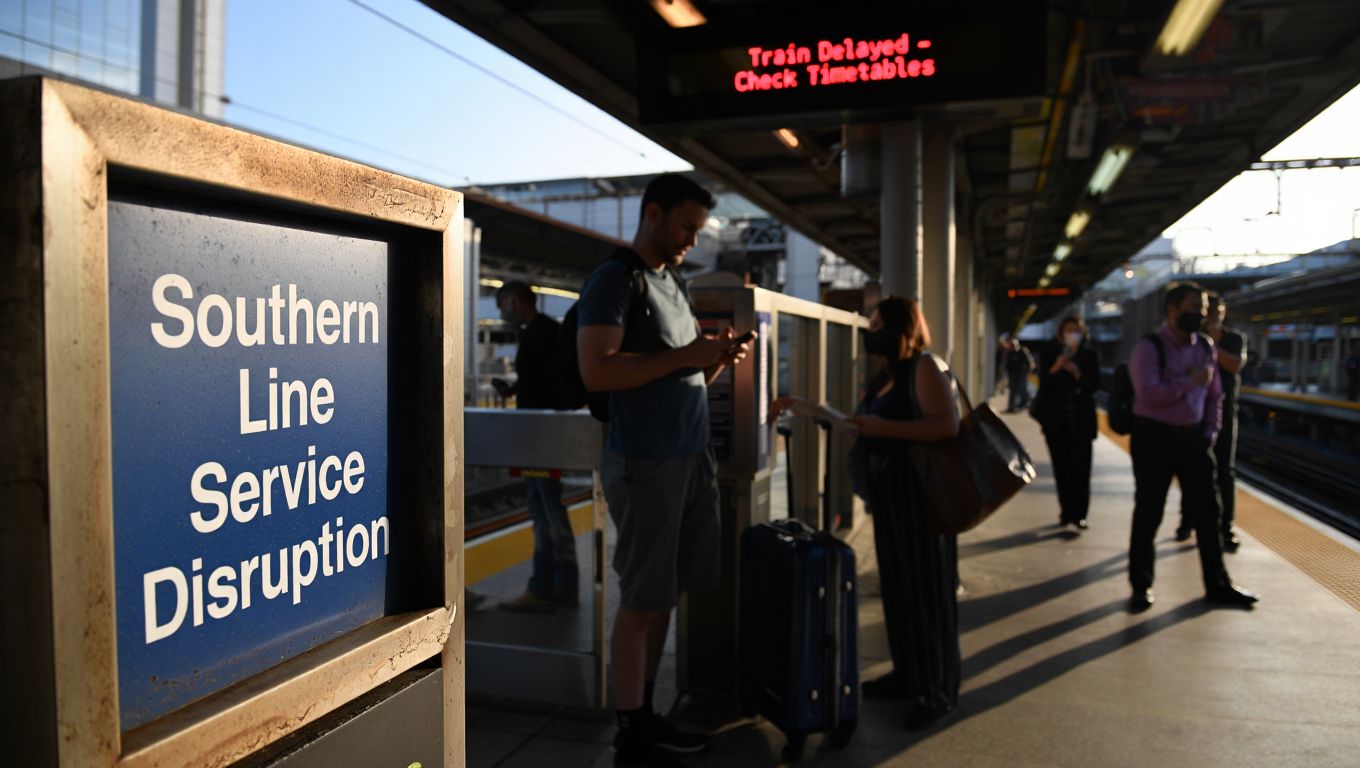
Auckland’s Southern Line faces planned interruptions this weekend, and thousands of riders will feel the ripple. If your journeys usually run along the spine from the south into the city, expect altered timetables, bus bridges, and a bit more clock-watching than usual. Here’s a clear, no-fuss guide to keep you moving with minimal stress.
What’s happening and when
Works are scheduled across the weekend, with rail replacement buses filling gaps where tracks are closed. Expect changes from early Saturday through late Sunday, including some early morning and evening adjustments.
“Plan ahead and check live updates,” is the refrain you’ll hear again and again. It’s good advice. Use AT Mobile or your preferred journey app shortly before you depart, as service patterns can shift by the hour during maintenance windows.
Who’s most affected
Regular commuters on the Southern corridor, weekend workers, event-goers heading to the city, and families visiting friends along Great South Road will notice the difference.
If your trip usually depends on smooth connections at Britomart, Newmarket, or Otahuhu, leave a buffer. Transfers may move from platform-to-platform to platform-to-street while buses bridge closed sections.
Planning smarter journeys
Lean on real-time tools. The AT Mobile app and Journey Planner will show you the right stop for your bus replacement, estimated arrivals, and any detours. “Don’t rely on yesterday’s timetable,” is a fair rule this weekend.
Local frequent buses along key corridors can also carry you around pinch points. If you typically hop on at a station that’s closed, the nearest main road stop may be a faster bet, especially for short hops.
Keep an eye out for high-vis staff at major hubs. They’ll direct you to bus bays, explain temporary routes, and flag the quickest way to connect back onto the rail network.
Fares, tagging, and passes
Use your AT HOP card as normal. On rail replacement buses, tag on and off at the bus door or on portable readers—look for signage. Integrated fares still apply, so your weekday routine (including concessions) remains valid.
If you don’t use HOP, drivers on replacement services typically sell single-ride paper tickets, though cashless payment is encouraged where possible.
Accessibility, prams, and bikes
Replacement buses accommodate wheelchairs and prams, but capacities vary. Allow extra time if you need step-free boarding or space for mobility devices. Staff at major stops can call ahead to ensure the next bus has room.
Bikes are welcome on many services, but racks and interior space are limited. If you’re able to lock your bike at a station and continue as a pedestrian, that’s often smoother during upgrades.
What changes with a bus bridge
Below is a quick comparison to help you recalibrate expectations for the weekend.
| Feature | Usual train service | Replacement bus (this weekend) |
|---|---|---|
| Frequency | Every 10–20 minutes off-peak; higher at peak | Often every 10–30 minutes, depending on section |
| Journey time | Fast and predictable between hubs | Slower; subject to traffic and detours |
| Capacity | High; multiple car sets | Lower; may require waiting for the next bus |
| Accessibility | Level boarding, priority spaces | Ramps available; space can vary by bus |
| Real-time info | Platform boards and app | App and stop posters; staff assist at hubs |
| Transfers | Same-station or cross-platform | Street-level transfers to/from bus bays |
| Bikes/Prams | Generous standing areas | Limited racks/space; plan ahead |
| Comfort | Smooth ride, onboard toilets (some stations) | Standard bus seating; no toilets |
“Expect a busier feel and a bit of stop-start,” as seasoned riders put it. It’s temporary, but planning for bus dynamics—traffic lights, dwell time—pays off.
Quick wins to save time
- Check live departure times 10–15 minutes before leaving, and again as you approach the stop.
- Build in a 15–30 minute buffer for trips that must be on time.
- Walk or rideshare to a larger hub if the local stop looks crowded—major interchanges turn services over faster.
- Keep your HOP topped up to avoid boarding delays.
- Follow signs for temporary bus bays; they might be on the opposite side of the station or one block away.
Voices from the platform
“I’m building in an extra twenty minutes so I’m not clock-watching,” is a mindset worth adopting.
“Tag on, tag off, and keep moving toward the front of the queue,” helps everyone board efficiently.
And the evergreen advice: “If you’re unsure, ask.” The on-site teams are there to shave minutes off your detour.
After the works wrap
Most services snap back to normal early Monday, but early runs can see light residual delays as trains and crews reposition. If your start is time-critical, verify that first trip of the morning.
Future maintenance blocks are expected as Auckland readies for bigger network upgrades. Consider signing up for service alerts and saving your favorite trips in AT Mobile, so weekend changes don’t blindside you.
The big picture? Short-term pain, long-term gain. With a little prep—checking the app, heading out earlier, and embracing the bus bridge—you’ll keep your weekend plans on track, even when the tracks themselves take a breather.
