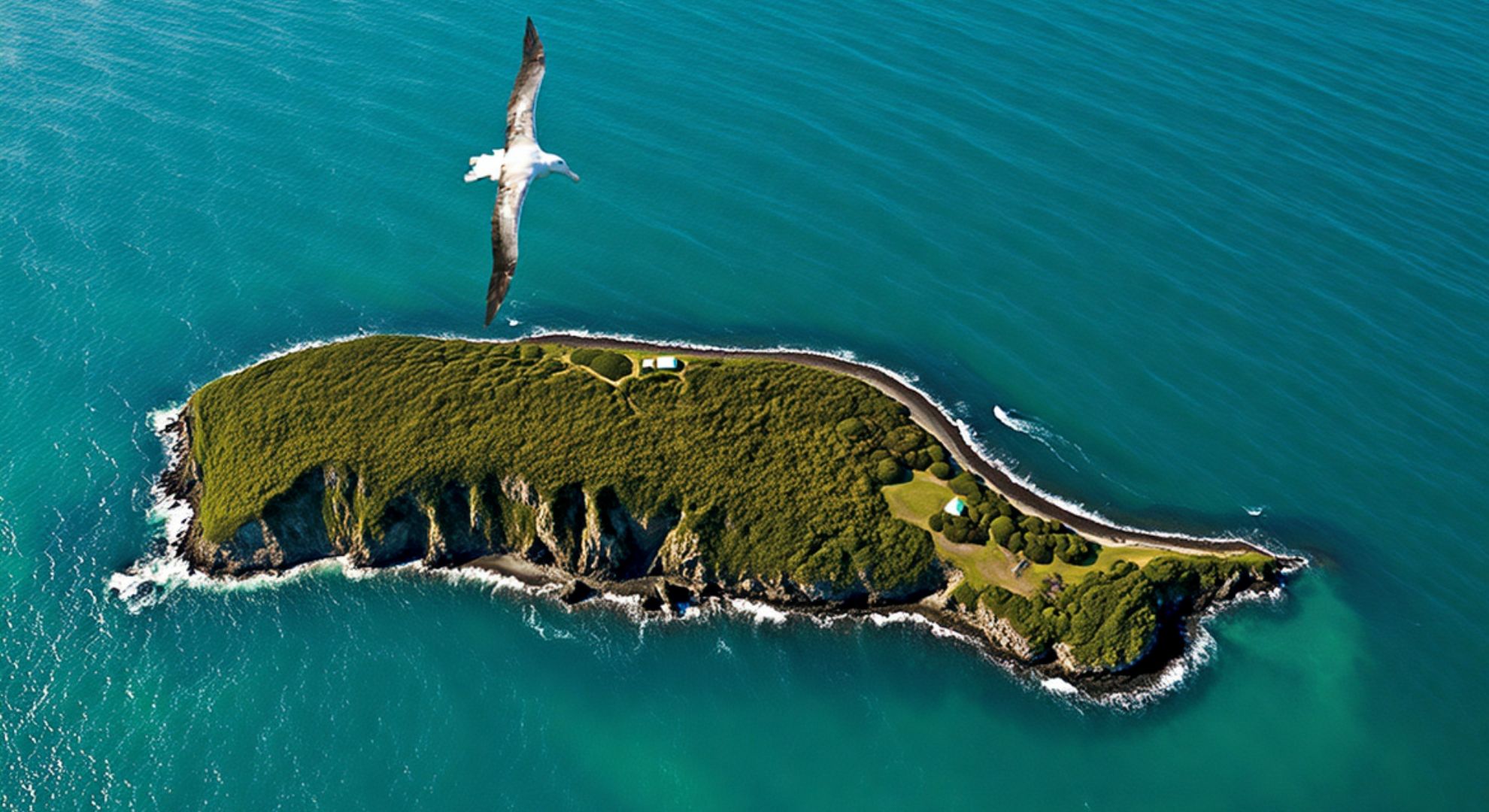
A sliver of sea keeps a solitary island apart from New Zealand’s mainland, yet its story is poised to change. After years of deliberate seclusion, officials are weighing a careful path to welcome people while keeping nature paramount. The ambition is measured, the timeline is tight, and the stakes are living things that cannot speak for themselves.
Why this moment matters
For decades, distance has been the island’s best shield, sheltering rare species and fragile habitats from routine human pressure. But isolation isn’t a perfect fortress against climate shifts, invasive pests, or illicit landings that quietly erode resilience. A managed opening could add informed eyes, sustainable funding, and public pride to the island’s ongoing protection.
There is a clear idea on the table: use strict limits so access becomes a tool for survival, not a path to decline. As one ranger put it, “Thoughtful access is either a risk or a remedy—the execution decides.”
How access could work
Planners are considering daily visitor caps, pre-booked boat permits, and guided routes that touch only a small slice of the shoreline. Lightweight infrastructure—like boardwalks, mooring buoys, and composting toilets—could shrink footprints and keep visits short.
The mantra in conservation is “open, but not overrun,” with quiet movement, patient watching, and minimal noise at the heart of the experience. Small groups would travel with trained guides, who can read tides, watch for wildlife, and uphold biosecurity standards.
Respecting kaitiakitanga
Any plan must honor mana whenua and embed kaitiakitanga—guardianship—into every major decision. That means co-designing protocols, visitor flow, and cultural storytelling with iwi who carry deep relationships to these waters and histories. “Place comes first,” say local leaders, reminding planners that hospitality must follow care, not come the other way around.
What visitors might do
Expect low-impact experiences, not adrenaline spikes or free-roaming traffic. Think slow walks, seabird watching, and tidepool moments guided by rangers who prepare people before the first footstep. A small interpretive shelter could frame the science, the stories, and the rules that keep the island safe.
- Follow permit rules and respect cultural protocols
- Stay on marked routes and keep group sizes small
- Pack out all waste and report wildlife disturbance
- Clean footwear and gear for biosecurity compliance
- Accept weather-related cancellations with good grace
Risks that must be faced
The greatest threat is often the smallest: seeds in a boot tread, a rodent in a bag, or a pathogen on a damp sole. Biosecurity must be relentless—with inspections, sealed containers, and thorough decontamination before and after each voyage. Staff will need training, the public will need patience, and operators will need clear checklists that leave nothing to chance.
Weather is a constant adversary, too, with rough swells and limited landing sites that force frequent cancellations. Schedules must remain flexible, safety must outrank itineraries, and communications must be consistently honest.
Balancing models and impacts
Planners are weighing three broad paths: keeping the status quo, opening access with strict management, or allowing lighter rules that tempt higher volume. The first keeps risks lowest, the third pushes them highest, and the managed middle aims to balance learning with long-term health. The smart bet is quality over quantity, with curated visits that deepen care, not degrade the very values people come to see.
Economic and community stakes
A carefully designed opening could support local skippers, trained guides, and paid kaitiaki, while financing monitoring and restoration. But extractive tourism would turn the island into a disposable product, draining meaning for short-term gain. The goal is smaller numbers, longer lead times, and clear reinvestment in the island’s health, not simple headcounts.
Timeline toward 2026
Over the next 12–18 months, expect environmental assessments, biosecurity audits, and open consultations that test ideas in the sunlight. Permit frameworks would roll out in pilots, with tight feedback loops and transparent reporting on wildlife responses. If milestones are met, limited guided groups could step ashore in 2026, scaling only as data supports it.
What success would look like
You would hear more birdsong, not less; see fewer footprints, not more; and feel abiding quiet even with a small group on the track. Visitors would leave with stories, not souvenirs, and a lasting sense of care, not a trail of impact. As one steward said, “Go light, learn much”—a phrase that doubles as invitation and guardrail.
Ultimately, the sea keeps its distance, the island keeps its dignity, and people keep their wonder—if we choose wise limits as an act of love.
