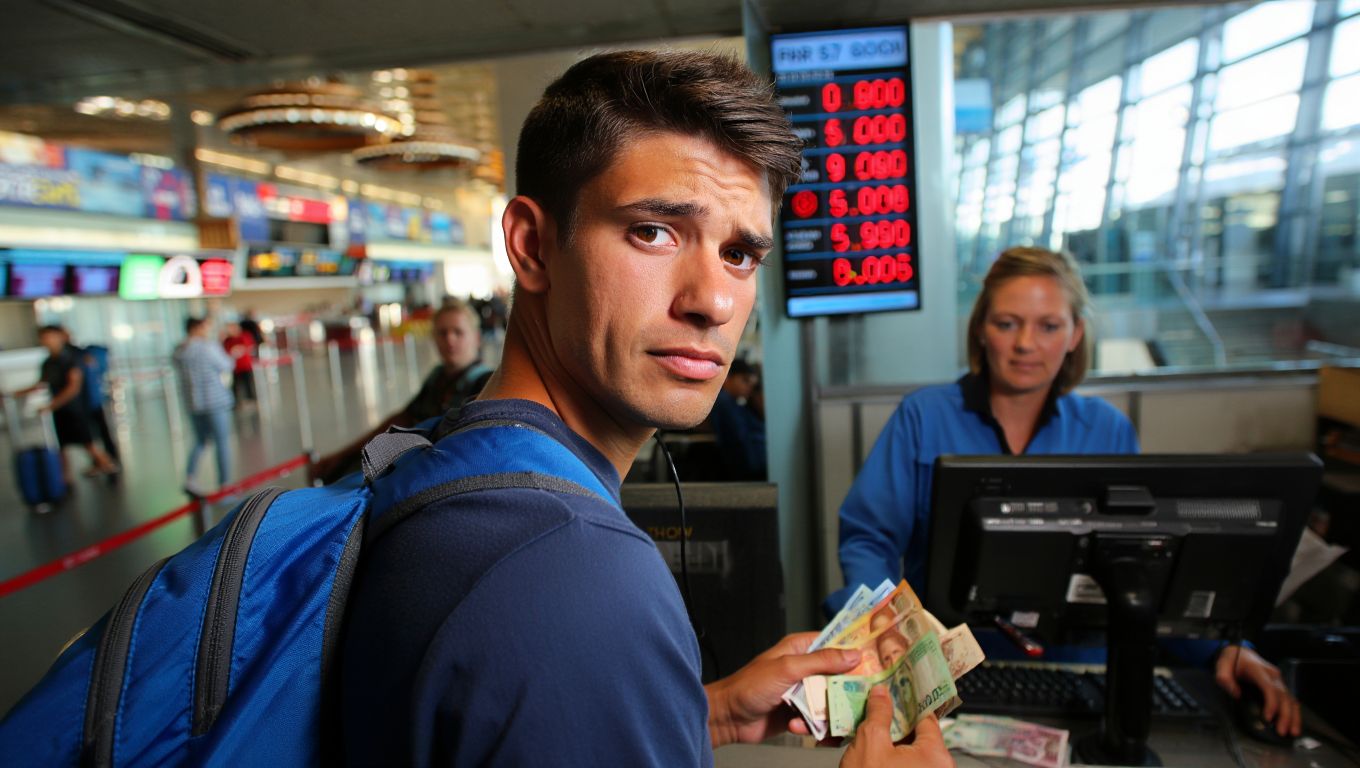
New Zealanders are a savvy bunch, but even the most organised traveller can bleed money at the border without realising it. Between poor exchange rates, sneaky markups and card fees, the average holiday can quietly lose tens or even hundreds of dollars. The good news: a simple shift in how you pay abroad can keep that cash in your pocket.
“Most people focus on flight deals and hotel points,” says a Wellington-based travel money analyst. “But the exchange rate you get at the checkout is often the biggest, most invisible leak.”
Here’s how to plug it.
Why so many travellers overpay
The biggest culprits are hidden in plain sight.
Banks often add a foreign transaction fee of around 2–3% on every purchase. Exchange bureaus and airport kiosks give you cash at a rate that’s several percent worse than the market (that’s the “spread” or “markup”), even if they brag about “zero commission.” And merchants sometimes push Dynamic Currency Conversion (DCC), asking if you’d like to pay in NZD instead of local currency. That “helpful” option usually adds an extra 3–7% to the bill.
“The headline fee is rarely the full story,” notes one currency strategist. “It’s the rate that bites.”
The trick experts use
Pros minimise the spread and dodge conversion traps by doing two things:
- Use a multi-currency card or account that converts at or near the mid-market rate with very low fees (think modern travel cards from established fintechs or certain premium bank products).
- Always pay in the local currency and decline Dynamic Currency Conversion.
This combo attacks the two quiet killers: the inflated exchange rate and the conversion choice at checkout.
How it works in practice
Before you leave, open a multi-currency account. Load NZD, then either let the card auto-convert at the mid-market rate when you spend, or pre-convert small amounts when rates look good. In stores and online, if you’re asked, choose to pay in the local currency—EUR in Europe, JPY in Japan, USD in the States.
For cash, skip the airport desk. If you must withdraw, use your travel card at a bank ATM in the destination country, keep withdrawals infrequent and larger to minimise per-withdrawal fees, and turn down any on-screen currency conversion.
What the savings look like
Consider a $4,000 NZD holiday’s worth of spending.
- Paying with a standard bank card that charges 2.5%: roughly $100 in fees.
- Saying “yes” to DCC a few times and taking cash at the airport kiosk: add another $100–$200 easily.
- Using a low-fee multi-currency card and choosing local currency: often under $30 total on the same spend.
No hacks, no spreadsheets—just a better rate and smarter checkout choices.
Comparison at a glance
Estimates vary by provider and destination, but this shows the general pattern for NZ travellers.
| Method | Typical rate/fees | Pros | Cons | Est. cost on $2,000 NZD spend |
|---|---|---|---|---|
| Airport exchange desk | 5–8% worse than market | Instant cash | Very poor rates | ~$100–$160 |
| NZ bank card (standard) | 2–3% foreign transaction fee | Convenient, widely accepted | Fee on every purchase | ~$40–$60 |
| Multi-currency travel card | Near mid-market + ~0.3–0.8% | Low cost, app controls | ATM limits/fees can apply | ~$6–$16 |
| Cash bought in NZ before trip | 3–5% spread | Certainty, no ATM hunt | Carrying cash risk, weaker rate | ~$60–$100 |
| DCC at the till (pay in NZD) | Extra 3–7% on top | Familiar currency at checkout | Worst overall value | ~$60–$140 |
“Even small percentages snowball over two or three weeks,” says a seasoned Kiwi backpacker. “Once you see the numbers, you’ll never touch DCC again.”
Watch out for these gotchas
Some ATMs add their own fixed fee; it’s shown on-screen. That’s fine if you withdraw larger, less frequent amounts. Hotels and car rentals may place sizeable security holds—use a credit card with no or low foreign fees for deposits, then pay the final bill with your multi-currency card.
Also check whether your card charges for weekend conversion or out-of-plan currencies. A quick read of the fee page before you fly can prevent surprises.
When cash still makes sense
Street markets, small cafes and rural transport might be cash-first. Plan a modest buffer—enough for a day or two—then top up as needed at bank ATMs. Carrying a little local currency also helps when a terminal is offline.
One-minute checklist for smarter spending
- Pack two cards: a low-fee multi-currency card for daily spend and a no/low-forex-fee credit card for deposits and emergencies.
- In shops and ATMs, choose local currency and decline conversion every time.
- Withdraw bigger amounts less often, from bank-branded ATMs.
- Avoid airport exchanges; if you must, change only a small starter sum.
- Skim your card’s fee page: FX percentage, ATM fees, weekend surcharges, and fair-use limits.
Travel is supposed to be about memories, not markups. Set up the right card, pick the local currency at checkout, and you’ll keep more of your NZD for the things that actually make a trip great.
