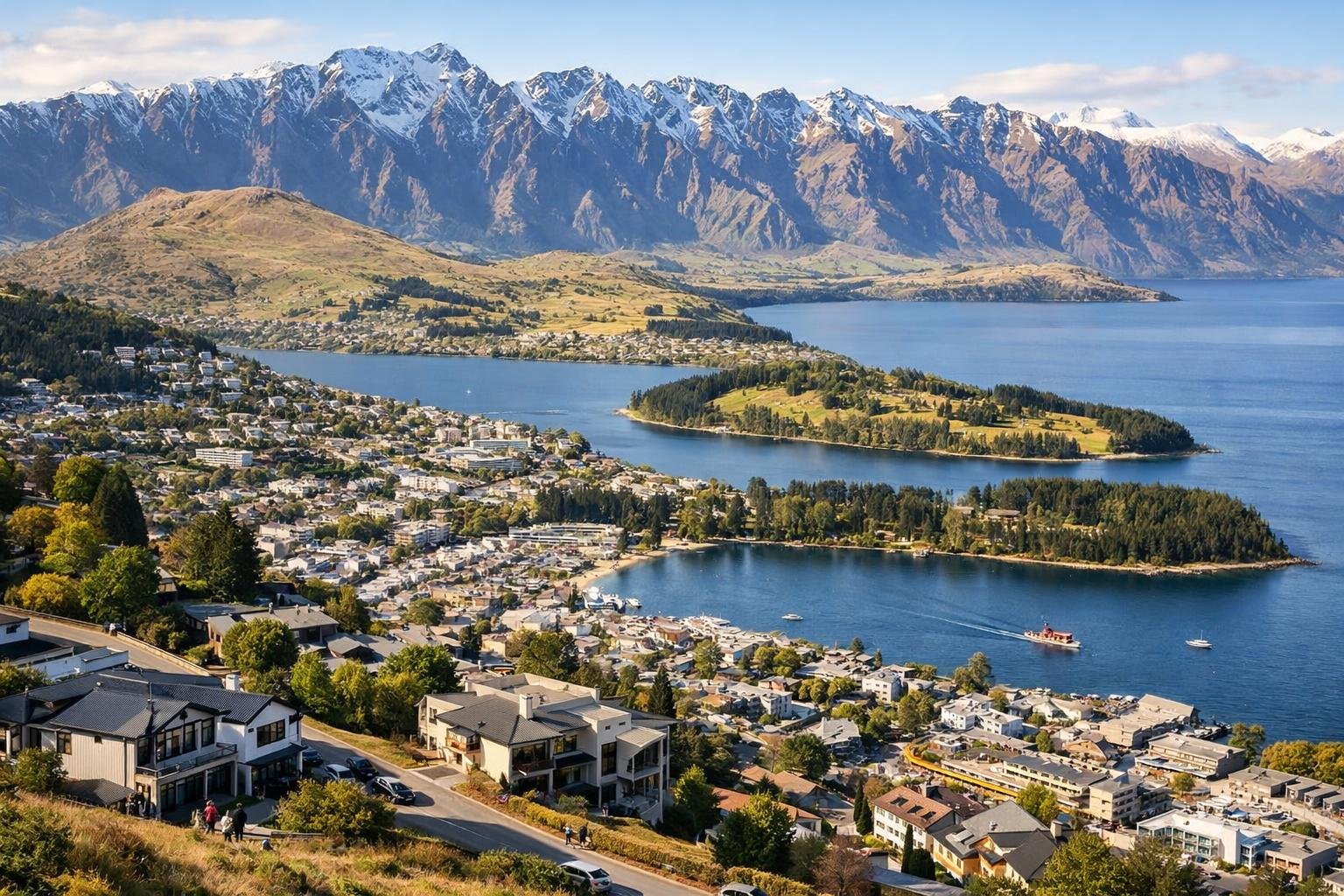
The resort town at the heart of the Southern Alps is growing yet again, with fresh census results pointing to a steady, multi‑year climb rather than a one‑off spike. What was once a seasonal outpost has matured into a year‑round hub—one attracting workers, entrepreneurs, families, and remote professionals who want alpine views with an international vibe.
“It feels like every week there’s a new neighbor,” said a long‑time resident. “The main question now is how we make the growth work for everyone.”
A town that keeps attracting newcomers
The pattern is clear: people keep arriving, and they’re choosing to stay. The drivers are familiar—outdoor lifestyle, a buoyant service economy, a growing innovation scene—but the pace has surprised even optimists.
New census data underscores three realities. First, resident numbers are rising faster than the national pace. Second, the population is younger than the New Zealand average, sustaining demand for schools, starter homes, and early‑career roles. Third, diversity is climbing, with a larger share of overseas‑born residents than the country overall.
Comparative snapshot
Below is a high‑level comparison that captures the direction of travel—how the district stacks up next to national trends.
| Metric | Queenstown–Lakes District | New Zealand overall | Direction |
|---|---|---|---|
| Resident population change (2018–2023) | +20–25% | +4–6% | Queenstown rising faster |
| Median age | Low–mid 30s | High 30s | Queenstown younger |
| Overseas‑born share | Around one‑third | Around one‑quarter | More diverse |
| Dwelling growth (2018–2023) | +15–20% | +6–9% | Supply racing demand |
| Peak‑day population (summer) | 2–3x residents | n/a | Tourism multiplier |
“On a peak summer day, the town hums like a small city,” said a hospitality manager. “But the off‑season isn’t what it used to be—it’s busy too.”
Pressure points: housing, transport, services
Growth brings friction. The rental market is tight, with low vacancy and competition for centrally located units. For buyers, construction costs and limited sections can stretch timelines and budgets.
Transport is next in line. Commuter flows from new subdivisions meet visitor traffic bound for the mountains. The result: pinch points at bridges, roundabouts, and the airport corridor, especially during school and ski peaks.
Essential services—healthcare, early childhood education, waste, and water—are moving to expand capacity. Planners emphasize sequencing: align new homes with pipes, roads, and clinics so growth doesn’t outrun the basics.
Who is moving here
The mix has shifted. Alongside hospitality and construction workers, you’ll find outdoor guides, software developers, e‑commerce founders, and professionals who split weeks between on‑site and remote work. The town’s international feel is central to its appeal.
- New arrivals often prioritize walkable neighborhoods near trailheads, bus routes, and childcare
“We came for the mountains, but stayed for the community,” said a recent arrival working in tech. “Being able to trail‑run before a stand‑up meeting is hard to beat.”
Building enough—and building smart
Local builders and developers face a moving target: keep pace with demand without overheating costs or compromising character. Medium‑density zones near transport corridors are one lever; modular and prefabricated construction is another. Energy‑efficient design—think heat pumps, insulation above code, and solar‑ready roofs—has shifted from nice‑to‑have to expected.
There’s also a subtle change in what “home” means here. For some, it’s a compact apartment within walking distance of cafes and bus stops. For others, it’s a townhouse with a gear garage and low‑maintenance yard. The one constant: views that pull the outdoors into daily life.
Tourism’s evolving role
Visitor numbers amplify everything—both opportunity and pressure. A growing resident base diversifies the economy beyond pure tourism, but tourism still sets the rhythm of the streets. The current challenge is calibration: manage peak days, protect trails and lakes, and keep the CBD vibrant for locals after the last gondola ride.
Operators are leaning into shoulder seasons, events, and sustainable practices. Better bus frequencies, bike lanes, and park‑and‑ride options help nudge behavior. The goal is resilience—a destination that hosts well and lives well.
What to watch next
- Pace of housing approvals versus completions
- Transport upgrades hitting congestion hot spots
- Workforce retention through winter and post‑holiday lulls
- International student and working‑holiday flows
- Affordability metrics for renters and first‑home buyers
As the numbers trend upward, the conversation is shifting from “how big” to “how good.” Growth, on its own, is blunt. Growth guided by clear priorities—affordable homes, nimble transport, preserved landscapes, and year‑round jobs—can sharpen the town’s promise.
“People are here for a reason,” said a local business owner. “If we protect what makes this place special and plan boldly, we’ll keep that reason strong for the next generation.”
