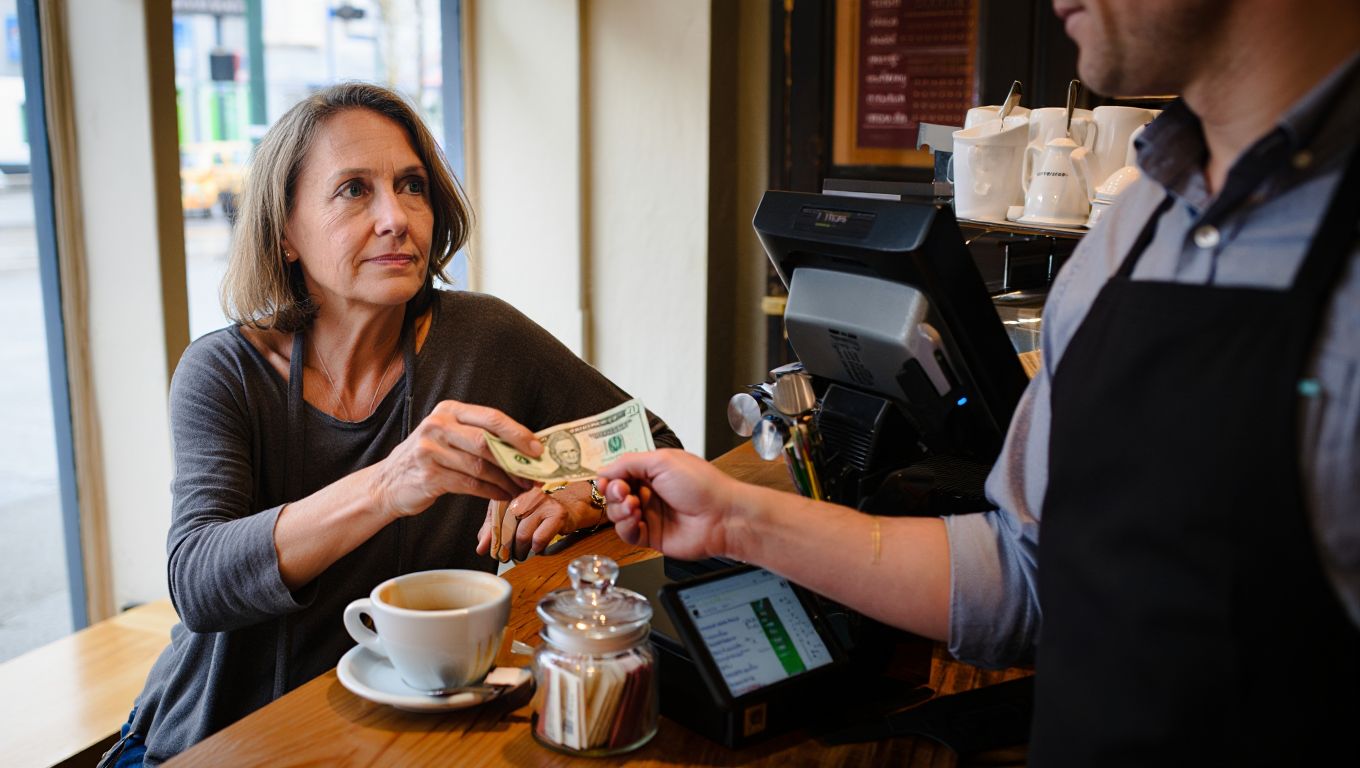
It turns out the way we pay doesn’t just change our budgets—it reshapes how our brains experience the act of spending. Emerging research in behavioral science and neuroeconomics suggests that handing over cash amplifies the felt cost of a purchase, while swiping a card or tapping a phone softens it. That shift can nudge choices, from the snacks we buy to the size of our monthly bills.
“Paying is a mini loss,” as one popular framing of loss aversion goes, “and the mind works hard to make losses feel smaller.”
How payment methods shape neural signals
When you evaluate a purchase, reward circuits respond to the item’s appeal while regions involved in conflict and discomfort register the price. Studies using brain imaging have reported stronger activation in areas linked to pain and conflict processing—such as the insula—when people part with physical money. By contrast, card and digital payments tend to dampen those signals, likely because they are more abstract and less immediate.
That doesn’t mean cards “trick” the brain into ignoring reality. Rather, the brain is exquisitely sensitive to friction and immediacy. Cash is concrete and irreversible the moment you hand it over; credit decouples the pleasure now from the payment later. This temporal gap blurs the cost signal and can loosen spending restraints, especially for discretionary items.
“Make the cost vivid,” behavioral researchers often advise, “and choices become more deliberate.”
The tactile anchor of money
Physical money has texture, weight, and a visible before-and-after. You feel bills leave your wallet and see what remains. That sensory anchor strengthens what psychologists call the “pain of paying,” a protective mechanism that helps keep spending in check.
With cards and phones, the motor action is quick and nearly sensation-free. No counting, no visible depletion. The result is an experience that feels smoother—and therefore cheaper—than it actually is. Over time, that smoothness can reshape habits, not by changing what you want, but by changing how salient the trade-off feels in the moment.
“Cash makes costs tangible; cards make them distant.”
Convenience rewires habits
Cards, apps, and “buy now, pay later” turn spending into a background process. Autopay subscriptions and one-click checkouts reduce decision points that would otherwise prompt a pause. Each removed step is a micro-barrier gone, and the brain notices.
- Fewer cues of loss: No shrinking stack of bills, no immediate balance drop you can see or feel.
- More cognitive distance: Payment is delayed or bundled, reducing salience.
- Stronger defaults: Renewals and saved cards convert “Should I buy?” into “It already renews.”
That convenience has benefits—speed, hygiene, safety—but it also shifts our internal guardrails.
A quick comparison
| Aspect | Cash (Bills/Coins) | Cards/Digital Wallets |
|---|---|---|
| Sensory feedback | High: tactile, visual depletion | Low: abstract, screen-based numbers |
| Timing of payment | Immediate and final | Often delayed or bundled (statements, BNPL) |
| Felt “pain of paying” | Stronger, more salient | Weaker, easier to ignore |
| Friction at checkout | Higher (counting, change) | Lower (tap, autopay) |
| Budgeting cues | Visible limits (what’s in the wallet) | Requires active monitoring |
| Risk of overspending | Lower for many everyday purchases | Higher when costs are abstracted |
| Security and convenience | Lower (loss/theft, no recovery) | Higher (recovery, records, rewards) |
What this means for consumers
If the method of payment shapes the mental cost, then you can design your environment to make healthy spending easier:
- Use cash for categories prone to impulse (cafés, snacks, rideshares) to reintroduce tactile limits.
- Add artificial friction to digital payments: turn off one-click, remove saved cards, require face/fingerprint plus passcode.
- Make costs visible: real-time balance widgets, weekly spending reviews, or alerts at preset thresholds.
- Sync the timing of pleasure and payment: avoid deferred setups that hide the bill; pay at the moment of use when possible.
- Batch subscriptions: one monthly “subscription day” to audit, cancel, or downgrade.
Not just about willpower
This isn’t a story of “good” cash versus “bad” cards. It’s a story of context. Merchants have learned to smooth checkout experiences to reduce drop-off, which also blunts the cost signal your brain relies on. Meanwhile, digital tools can work in your favor when they add the right kind of friction—spend limits, pause buttons, or unavoidable notifications before renewals.
There are also equity and safety angles. Digital payments bring fraud protections, records for disputes, and no need to carry large sums. Cash preserves privacy and can protect against overdraft spirals. The better question is not which is superior, but which mix gives you the healthiest feedback at the right moments.
Open questions for researchers
- Can haptic feedback or on-screen “depletion meters” restore the protective discomfort of cash while keeping digital convenience?
- Who benefits most from cash-like cues—people high in impulsivity, or those already budget-savvy?
- How do rewards and gamification interact with the brain’s reward circuitry to cancel—or amplify—the pain of paying?
For now, the practical takeaway is simple: the brain treats spending as a felt experience, not just a calculation. If you want your choices to reflect your intentions, make the cost feel a little more real—whether through cash, smarter app design, or both.
