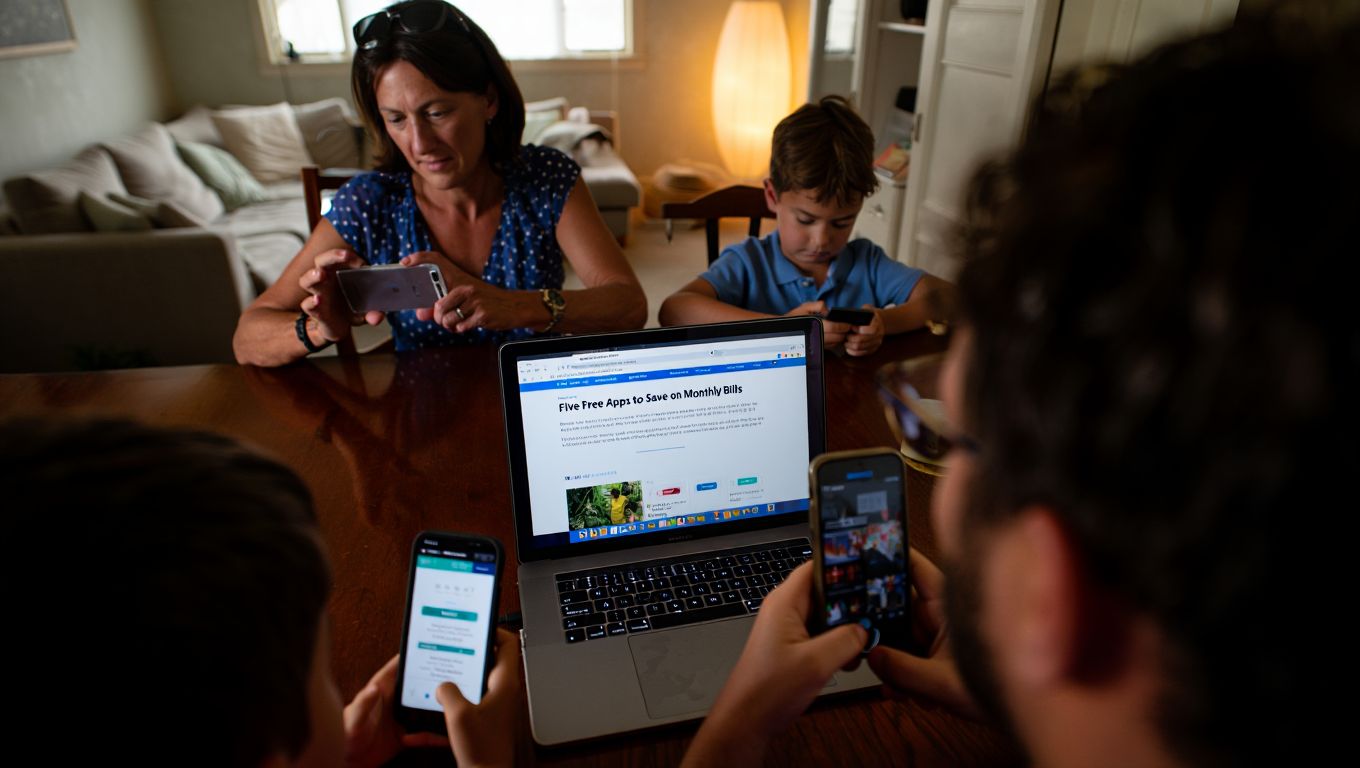
Kiwi households are getting savvier about stretching every dollar, and a wave of free apps is quietly doing the heavy lifting. From fuel to food to tracking what leaves your bank account, these tools turn daily decisions into painless savings. Together, they’ve surpassed the half‑million download mark in New Zealand, a sign that small, smart tweaks are going mainstream.
The apps reshaping everyday bills
The standouts are practical, local, and laser‑focused on routine spend. Think petrol price maps you actually trust, supermarket specials at your fingertips, and budgeting that shows you where the leaks are — without a lecture.
Their secret? “Set‑and‑forget” habits. Once you pick cheaper pumps, swap a few weekly staples, or cap a spend category, the savings show up month after month.
How much can you actually save?
Savings aren’t magic; they’re arithmetic. The biggest gains tend to come from switching behaviors you repeat often:
- Petrol: Pump prices can vary by 10–25c per litre in the same suburb. For a typical driver, that’s NZ$10–$30 a month.
- Groceries: Swapping brands and leaning into specials can trim NZ$20–$80 monthly for a couple, more for families.
- Utilities and subscriptions: Comparing plans and tracking auto‑renewals often unlocks NZ$15–$60 a month.
“Stack small wins,” as money pros like to say. A few dollars across multiple categories is how real, compounding savings happen.
Quick comparison of popular free options
| App | What it does | Typical monthly savings | Best for | Price |
|---|---|---|---|---|
| Gaspy | Community‑verified fuel prices across NZ | NZ$8–$30 (depends on driving) | Drivers who can choose where to fill | Free |
| Grocer (NZ) | Compares supermarket prices and specials | NZ$20–$80 (by swapping items) | Shoppers willing to switch brands | Free |
| Z App | Pumped/Sharetank discounts and rewards | NZ$5–$20 (stacked discounts) | Regular Z customers and families | Free |
| PocketSmith | Budgeting, bill tracking, spend alerts (free tier) | NZ$10–$50 (cuts waste/late fees) | Anyone who wants visibility | Free (basic) |
Estimates are indicative and depend on location, habits, and prices.
Why these tools work
- They increase price transparency. “Look before you lock in” becomes second nature when your phone shows you cheaper broadband, electricity, or fuel in seconds.
- They reduce friction. A few taps is all it takes to reroute your routine to a better option.
- They create feedback loops. When you see your weekly spend trend down, you keep doing the thing that worked. That’s the behavioral flywheel.
The psychology matters as much as the price tags. As one common refrain goes: “You can’t manage what you don’t measure.”
Getting started in under an hour
- Download a petrol app like Gaspy and set your usual routes; bookmark two cheap stations.
- Install a grocery price app and build a “swap list” of 10 staples you’ll trade when specials appear.
- Turn on spend alerts and bill reminders in your budgeting app (or your bank’s app) for subscriptions and utilities.
- Check your provider rewards (e.g., Z App) and stack with supermarket fuel dockets when possible.
- Pick one recurring bill (mobile, broadband, power) and compare plans; schedule a calendar nudge to revisit in 6 months.
What users say these apps change
“Friction” becomes “flow.” The biggest shift isn’t extreme couponing; it’s confidence. When real‑time data replaces guesswork, decisions feel lighter. “I don’t chase deals — the best deal finds me,” is a sentiment you’ll hear again and again.
Another popular line: “It’s not about going without. It’s about paying less for the same thing.”
Watch‑outs before you dive in
Be mindful of data. Give apps only the permissions they need, and prefer read‑only bank connections for budgeting. Scan for “gotchas” like teaser rates or lock‑ins when switching providers. And remember that reward schemes trade convenience for your attention — only chase perks that align with what you already buy.
Also, location matters. Petrol and grocery gaps vary by suburb; rural areas may see fewer options but can still benefit from timing buys and planning routes.
The bigger shift
Five years ago, the idea that everyday Kiwi spend could be optimized by crowdsourced petrol maps, live supermarket comparisons, and nudging budgets felt niche. Today it’s normal — and the adoption curve shows it. “Small change, big change” isn’t a slogan; it’s a system. The more people use these tools, the better the data gets, and the easier it becomes to save without thinking about it.
If you want a simple mantra to start: “Automate the obvious. Compare the rest.” Make the default choice the cheap choice, and let a handful of thoughtfully chosen, genuinely free apps do what they’re best at — quietly lowering your monthly bills while you get on with your life.
